Can Dogs Eat Avocado Safely? A Vet Nutritionist's Straight Answer
A board-certified veterinary nutritionist breaks down what persin, avocado pits, and fat content actually mean for your dog — and how to share avocado without a vet visit.
The honest answer is that a bite of plain avocado flesh won't hurt most dogs, but the fruit around it — the pit, the skin, the guacamole bowl itself — is where the real risk lives.

On this page
The first time I watched a dog make a serious run at a guacamole bowl, it wasn’t in an exam room — it was at a backyard cookout, a lab-mix named Biscuit vaulting a coffee table while her owner lunged for the chips. She got maybe a mouthful before anyone caught her: a smear of mashed avocado, a fleck of onion, a corner of tortilla chip. Nobody panicked, which was almost worse — the owner asked me later, half-joking, whether she needed to “watch for the poison.” That question is the one I hear most often about this fruit, and it’s the wrong shape. The real question isn’t whether avocado is poison. It’s which part of the avocado you’re actually worried about, because the flesh, the pit, and the fat content each carry a different kind of risk, and conflating them leads owners to either panic over nothing or relax about something that matters.
The Persin Question, Answered Honestly
Avocado’s reputation as a dog danger traces back to a compound called persin, found in the leaves, bark, skin, and pit of the plant. Authoritative sources like the ASPCA and American Kennel Club note that persin can cause vomiting and diarrhea in dogs, but that sensitivity varies widely across species — dogs tend to tolerate it far better than birds, rabbits, or horses, which can develop more serious reactions. The Merck Veterinary Manual treats avocado toxicosis as a real but species-dependent syndrome, not a universal canine emergency. That distinction matters for how you actually behave in your kitchen: a lick of plain flesh is a different event than a dog raiding an avocado tree.
Here’s the short version: persin is real, but it’s not usually the thing that puts a dog in the emergency room.
The Pit Is Where the Real Emergency Lives
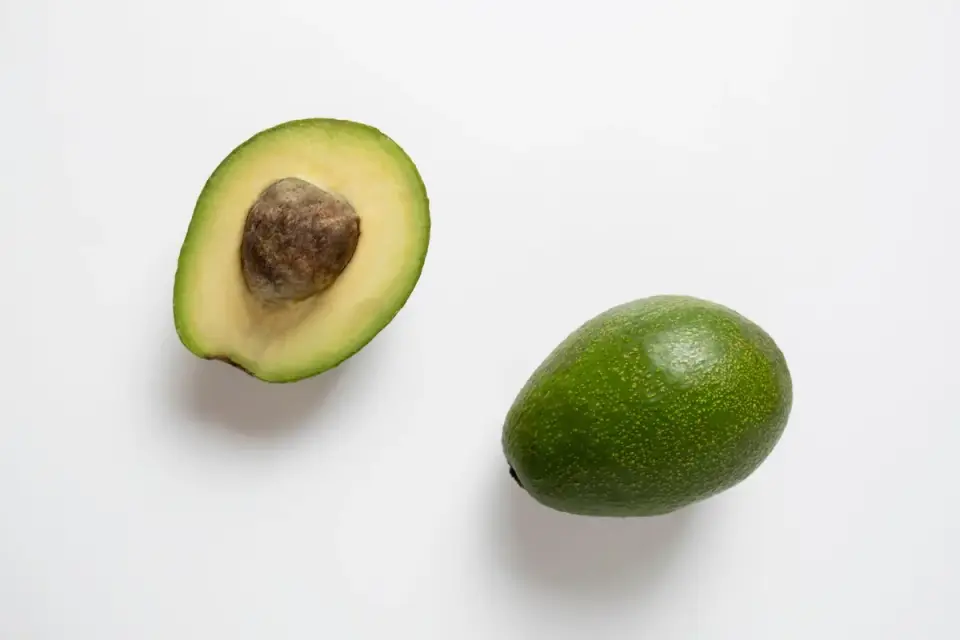
If I had to rank the ways avocado actually hurts dogs, the pit would sit at the top, well above persin. It’s large, hard, round, and smooth — a shape almost engineered to lodge in a dog’s throat or gut rather than pass through it. Pet Poison Helpline flags the pit specifically as a choking and obstruction hazard, and once it’s swallowed, it doesn’t reliably move on its own. An obstructed pit can present as vomiting, loss of appetite, straining, bloating, or a dog that’s just quietly off — signs that can lag behind the actual blockage. This is not a wait-and-watch situation. If you know or strongly suspect your dog swallowed a pit, call your vet or an emergency clinic before symptoms appear, not after.
I think about this every time I see a dog owner toss a pit in the yard compost rather than a sealed trash can — it’s a five-second habit that avoids a five-figure surgery bill.
Fat Load, Pancreatitis, and Why ‘A Little’ Isn’t the Same for Every Dog
Set the pit aside and the next real concern is fat. Avocado flesh is calorically dense and fat-rich compared to most dog-safe produce, and dogs prone to pancreatitis — often small breeds, overweight dogs, or dogs with a prior pancreatitis episode — can react to a fat load that a Labrador shrugs off. This is where I part ways with the more casual online guidance that treats avocado as basically interchangeable with a green bean. A supplement or a treat can only do so much for a dog’s mobility, weight, or digestive comfort if the everyday diet is working against it, and a fatty ad-hoc snack is exactly the kind of variable that undoes otherwise sound feeding. For dogs with any pancreatitis history, I’d rather see owners skip avocado entirely than negotiate a ‘safe’ portion.
A neighbor once asked me to look at her senior beagle after a weekend where the family had ‘gone easy’ on treats but let the dog finish everyone’s guacamole scraps at a party. The dog wasn’t in crisis, but she was tender in the abdomen, reluctant to jump onto the couch, and had loose stool for two days — not dramatic enough to rush to urgent care, uncomfortable enough that the owner felt she’d let something happen on her watch. Nothing about that weekend was reckless in isolation. It was cumulative: a few bites here, a few bites there, on a body that couldn’t buffer the fat the way a leaner, younger dog might have. That’s the pattern I’d want every owner picturing before the next cookout, not persin headlines.
A Safer Way to Share, If You Choose To
If you want to let a healthy dog try avocado, keep the process boring on purpose:
- Use plain, ripe flesh only — no skin, no pit, no seasoning, no guacamole mix with onion or garlic.
- Offer a small taste, not a serving — a teaspoon-scale amount for a small dog, proportionally more for a large one, and only occasionally.
- Skip it entirely for dogs with a pancreatitis history, current weight problems, or known fat sensitivity.
- Store pits and peels somewhere your dog can’t reach them — compost bins and countertops are common points of failure.
- Watch for vomiting, loose stool, or lethargy over the following day, and call your vet if anything persists past 24 hours.
None of this replaces the more foundational habits that actually move a dog’s health day to day — feeding a complete diet, keeping portions honest, and building in regular movement matter more than any single treat decision. If you’re building that foundation from scratch, our Whole-Dog Wellness: A Practical Starting Guide walks through where to start.
Where I Land
Avocado isn’t the household poison some pet-safety lists make it sound like, and it isn’t a free food either. For most healthy adult dogs, a small taste of plain flesh is a low-stakes curiosity, not a crisis. The pit is the genuine emergency risk, and the fat content is the genuine long-game risk for dogs already carrying extra weight or pancreatitis history. Treat those two things with real caution, keep the seasoning and salsa fixings out of reach, and you can stop treating avocado season like a minefield.
For related context, read Can Dogs Eat Onions? Yes, They’re Toxic — Here’s Why.
Frequently asked questions
How much avocado can a dog safely eat?
Keep it to an occasional taste of plain flesh only — no pit, no skin, no seasoning. There's no clinically established 'safe dose' for dogs the way there is for some supplements, so the smallest amount that satisfies curiosity is the right amount, especially for small dogs or dogs with a history of pancreatitis.
My dog swallowed an avocado pit whole — is that an emergency?
Treat it as one. Call your vet or an emergency clinic right away rather than waiting for symptoms like vomiting, straining, or lethargy to show up, since a lodged pit can require imaging or surgery before those signs appear.
Sources
- The Scoop on Avocado and Your Pets — ASPCA
- Avocado (Persea spp) Toxicosis in Animals — Merck Veterinary Manual
- Avocado Is Toxic To Dogs — Pet Poison Helpline
- Can Dogs Eat Avocado? — American Kennel Club