Can Dogs Eat Cheese? A Neurologist's Honest, Mechanism-First Answer
A board-certified veterinary neurologist walks through what actually happens when a dog eats cheese — lactose, fat load, and which cheeses are safer, treat by treat.
Cheese is not a health food for dogs, but a small cube of a low-fat variety is one of the more forgiving training treats in the pantry — provided your dog isn't among the ones whose gut simply can't process it.
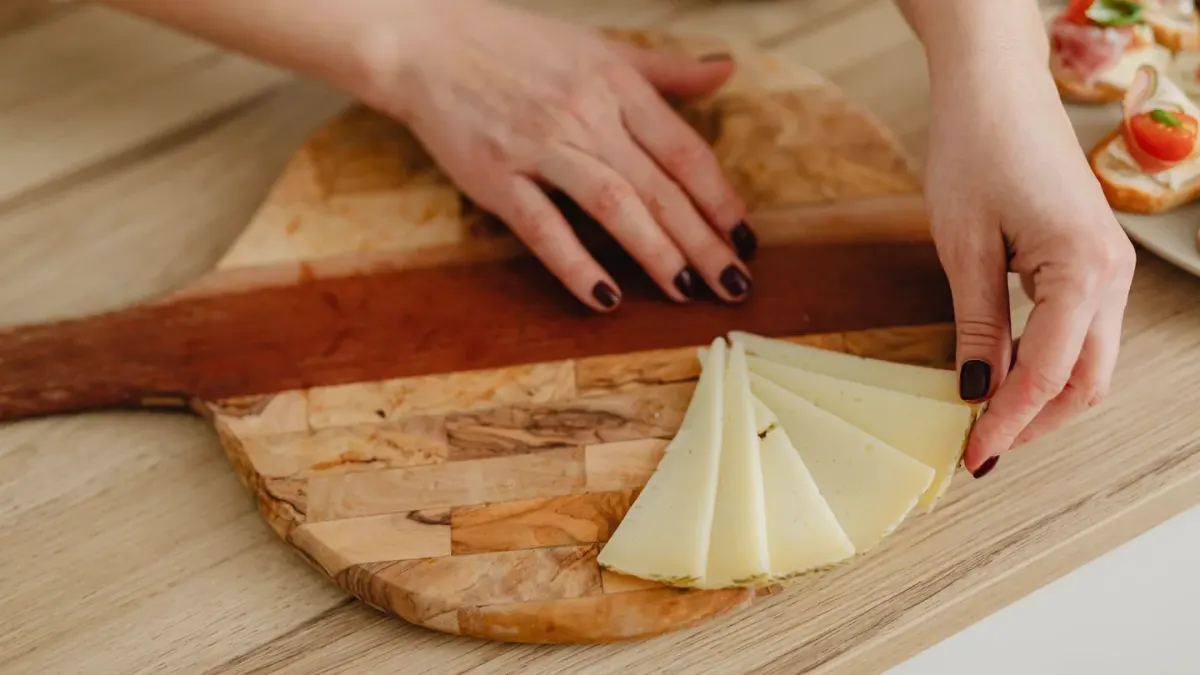
A cube of cheddar hits the kitchen floor, and the dog is there before it stops rolling. The owner laughs, half out of habit, half because the dog’s enthusiasm is genuinely funny — and then pauses, cube already gone, wondering if that was actually fine. It’s one of the most common questions I field, not because the science is complicated, but because the honest answer is “it depends on your dog,” and owners understandably want more than that.
Here’s the checklist I’d actually want in that kitchen, before the next cube gets thrown:
- Type of cheese — mozzarella, cottage cheese, and soft goat cheese run lower in fat and lactose than aged hard cheeses.
- Portion size — a small cube or a few shreds, not a slice, and not a daily habit.
- Add-ins — no onion, garlic, or chive-flavored varieties; those are toxic independent of the dairy.
- Your dog’s history — no prior pancreatitis, no chronic GI disease, no known dairy sensitivity.
- First-time reaction — watch the 30-minute to 2-hour window after the first taste before deciding it’s a keeper.
Each of those deserves more than a bullet point, so here’s why they’re on the list at all.
Why lactose is the first filter, not the whole story. Dogs, like most mammals, make less lactase — the enzyme that breaks down milk sugar — as they mature past nursing age. Some retain enough to handle dairy comfortably; others don’t, and the gap between those two dogs isn’t visible until you feed the cheese and watch what happens. The American Kennel Club notes that dogs with more severe lactose intolerance can react even to small quantities, and recommends watching for intestinal upset the first time you offer it. That’s not a reason to panic over a single bite. It’s a reason to treat the first cube as a test, not a habit.
The gut side of this matters more than owners usually assume. A dog’s microbiome is doing real work interpreting whatever shows up in the bowl, and a balanced gut microbiome supports overall immune function, not just digestion — one more reason a sudden dairy load isn’t something to shrug off in a dog with an already touchy gut. Interestingly, in Frontiers in Veterinary Science: one randomized trial looking at probiotic response in dogs, diversity metrics did not distinguish non-responders from responders, a useful reminder that gut reactions are individual and don’t always follow a tidy microbiome story we can point to and explain.

The fat math is where I actually draw the line. This is where my neurology brain and my food-therapy brain agree, oddly enough — I want the mechanism, not the reassurance. Cheese’s fat content is the more durable long-term concern, more than lactose ever is. Picture the scene that plays out in kitchens everywhere: a greying retriever mix, easy in temperament, owner devoted to the daily walk, who’s done fine on cheese cubes for years — until a string of fattier holiday scraps tips a pancreas that had been quietly compensating all along. It isn’t one bite that causes the flare. It’s the accumulation, and a dog’s history usually makes it predictable in hindsight, which is exactly why I’d rather set the rule before the habit starts than explain it afterward in an exam room.
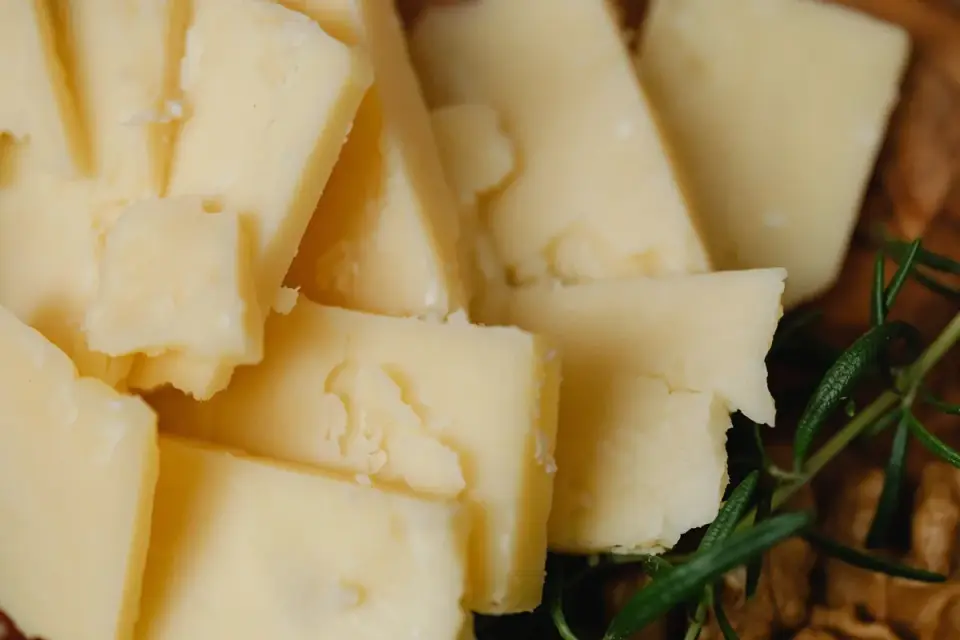
The evidence behind that caution is more nuanced than the internet’s blanket warnings suggest. Research reviewing High fat, high risk? Evaluating the strength of evidence linking dietary fat and pancreatitis in dogs: the strength of evidence linking dietary fat and pancreatitis in dogs has found that the earliest, most frequently cited studies are limited by small sample sizes and diets that don’t reflect what’s actually fed today — so the connection is real but not as mechanistically airtight as it’s often presented. Dogs recovering from exocrine pancreatic insufficiency are managed with pancreatic enzyme replacement therapy, cobalamin supplementation, and specifically Exocrine pancreatic insufficiency: enzyme replacement, diet, and cobalamin management (review): nutritional management with low-residue diets of moderate fat content — a strong signal, even outside that specific disease, that fat load is the lever worth respecting more than lactose alone.
Where that leaves the actual decision. I’d rather own a clear recommendation than hand you a shrug: a pea-to-cube-sized piece of a low-fat cheese, used occasionally as a training reward, is reasonable for a healthy adult dog with no relevant history. I would not build a daily habit around it, and I would not use cheese at all for a dog that’s had a pancreatitis flare, has chronic GI disease, or reacted poorly the first time. The counterargument I hear most — “my dog’s eaten cheese for years with zero problem, so clearly it’s fine” — isn’t wrong exactly, it’s just describing one dog’s tolerance today, not a guarantee about that same dog’s pancreas next year. Diet decisions in a whole-dog framework, the kind laid out in Whole-Dog Wellness: A Practical Starting Guide, tend to reward the boring, consistent choice over the convenient one, and cheese is a small but real example of that principle in action.
So, next time the cube hits the floor: is it worth being the treat you reach for on purpose, or just the one you let slide because the dog got there first?
Frequently asked questions
Which cheese is safest for dogs?
Lower-fat, lower-lactose options such as mozzarella, cottage cheese, or soft goat cheese are generally the gentler choices, according to the American Kennel Club.
Can a little cheese cause pancreatitis?
One bite is unlikely to. The concern is cumulative fat load and individual susceptibility — dogs with a prior pancreatitis episode or a fatty-food sensitivity are the ones I'd keep cheese away from entirely.
Sources
- Can Dogs Eat Cheese? Feeding Cheese to Your Dog — American Kennel Club (AKC)
- High fat, high risk? Evaluating the strength of evidence linking dietary fat and pancreatitis in dogs — Journal of the American Veterinary Medical Association (JAVMA)
- Exocrine pancreatic insufficiency: enzyme replacement, diet, and cobalamin management (review) — Journal of the American Veterinary Medical Association (JAVMA)
- Probiotic response and gut microbiome diversity in dogs (randomized controlled trial) — Frontiers in Veterinary Science