Can Dogs Eat Tomatoes Safely? A Neurologist's Take on the Nightshade Question
A board-certified veterinary neurologist explains which parts of the tomato are fine for dogs, which are genuinely dangerous, and why the difference matters more than most feeding charts let on.
Dogs can eat tomatoes when the fruit is ripe, plain, and small — the green plant is the actual danger.
On this page
A client once described her garden the way some people describe a second dog: something she’d tend all summer and worry over by August. Her retriever, a thick-necked mix named for a river she’d once rafted, had a habit of patrolling the tomato bed each evening while she watered. Most nights he came away with nothing more than dirt on his muzzle. One night he came away with a fistful of small green tomatoes, stems attached, swallowed before she could get across the yard. She called worried about “tomato poisoning,” a phrase she’d read somewhere and couldn’t quite place. The honest answer, and the one I gave her, is that the word tomato is doing too much work in that sentence — what matters is which part of the plant, and how ripe.
The Plant Behind the Fruit
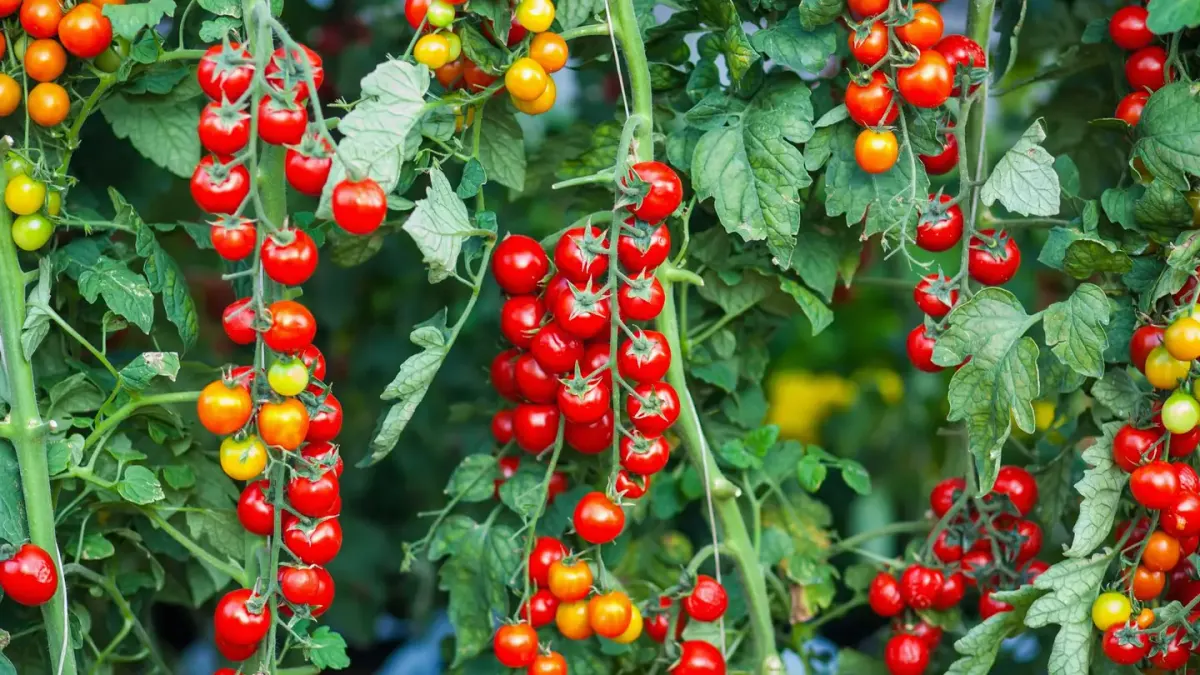
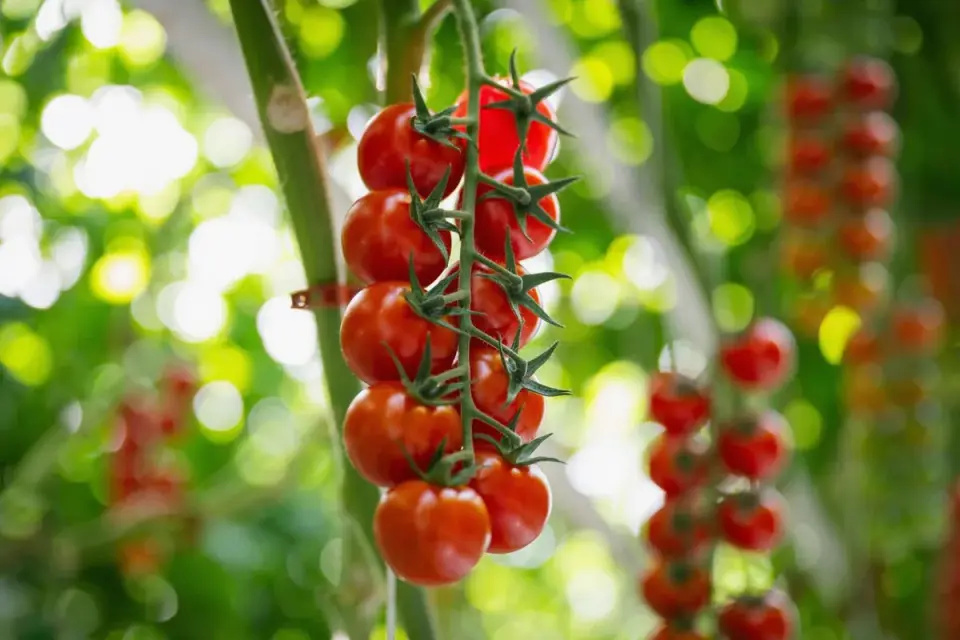
Tomatoes belong to the nightshade family, and like their relatives they carry glycoalkaloids — chiefly tomatine and solanine — as a built-in defense against being eaten before the seeds are ready to travel. Those compounds are concentrated in the green parts of the plant: the leaves, the stems, and the unripe fruit. According to the American Kennel Club, a dog that eats the green parts of a tomato plant should be watched for signs of poisoning, and a veterinarian should be called as soon as those signs appear. As the tomato ripens and reddens, tomatine content drops sharply, which is the entire reason the fruit on your cutting board and the fruit on the vine are not really the same food, safety-wise.
What Actually Happens After Ingestion
Gastrointestinal signs come first, and they come fastest: drooling, vomiting, diarrhea, a dog that suddenly wants to be left alone. Pet Poison Helpline lists the tomato plant among substances that are genuinely toxic to dogs, distinct from the ripe fruit itself, and notes gastrointestinal upset as the most common presentation. Less often, and usually only after a larger amount of green material, a dog develops weakness, tremors, or a stumbling gait — signs that live squarely in my own specialty. I want to be direct about this part, because it’s where I see owners hesitate too long: don’t spend a day watching and hoping a wobbly dog steadies on its own. Reach for both the diagnostic workup and the supportive care at the same time, rather than waiting to see which one turns out to have been necessary. A blood panel and, if signs persist, imaging rule out the more common and more dangerous explanations — a partial obstruction, a metabolic derangement, an unrelated toxin — while gentle, food-based support keeps the gut moving in the right direction. Treating those as an either-or choice costs time you may not get back.
The Kitchen Version of the Same Question
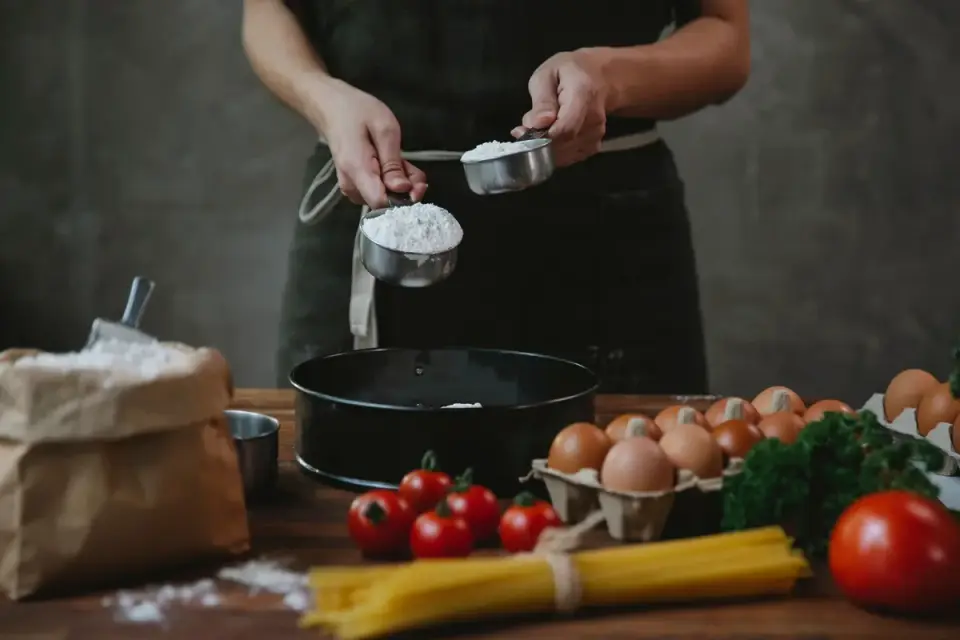
Months later, a different scene played out in my own head as much as anywhere: a slow Sunday, a pot of red sauce simmering, a dog underfoot the way dogs are underfoot whenever tomatoes and garlic hit a hot pan together. The sauce itself was never destined for the bowl, and that instinct was the correct one. PetMD notes that plain, ripe tomato is generally considered safe for dogs in small amounts, but sauces, ketchup, and seasoned dishes are a different question entirely — the onion, garlic, added salt, and sugar in most cooked tomato products carry their own, separate risks that have nothing to do with tomatine at all. A dog can safely have a small piece of raw or plain cooked tomato flesh, stem and skin removed, chopped small enough not to become a choking hazard. That dog should never have the jarred sauce, the ketchup packet, or the seasoned salsa, no matter how ripe the tomatoes inside them started out.
When the Gut Is Already Touchy
Some dogs handle a new food, tomato or otherwise, without a ripple. Others don’t, and that difference often has more to do with the resident gut microbiome than with the food itself. In dogs already managing a digestive condition, nutritional management is one of the actual treatment pillars, not an afterthought — in exocrine pancreatic insufficiency, for example, the JAVMA literature describes enzyme replacement therapy paired with low-residue, moderate-fat nutritional management and cobalamin supplementation as the standard of care, and researchers there are still working out why some dogs stay dysbiotic even after enzyme therapy starts. Probiotic support is not a guaranteed fix either: recent Frontiers in Veterinary Science research on dogs with digestive disease found that diversity metrics alone did not distinguish which dogs would respond to probiotics from which wouldn’t. I mention this not to talk anyone out of a tomato snack, but to make a broader point I return to often — a dog with a genuinely sensitive gut is usually better served by consistency in the base diet than by a rotating cast of garden treats, tomato included.
A Steady Rule for a Simple Fruit
By late summer, the retriever and his tomato patch had reached an understanding: he could patrol, he could sniff, but the fruit itself came to him sliced and unseasoned, straight from his owner’s hand. That’s roughly the rule I’d hand any owner asking the same question. Ripe, plain, small amounts, no stems, no sauce — and if you ever catch your dog with a mouthful of green fruit or vine, don’t wait out a wait-and-see period before calling someone. If tomatoes are entering the rotation at all, they belong inside the same steady, whole-dog approach we lay out in Whole-Dog Wellness: A Practical Starting Guide — the daily rhythm of diet, movement, and attention that does more for a dog’s long-term health than any single fruit or vegetable ever will on its own.
For related context, read Can Dogs Eat Onions? Yes, They’re Toxic — Here’s Why.
Frequently asked questions
Can dogs eat tomatoes every day?
There's no established benefit to daily tomato feeding, and a dog's core diet should already be balanced without garden add-ins. An occasional small piece of ripe tomato flesh is a reasonable treat, not a routine.
What if my dog ate a green tomato off the vine?
Green tomatoes contain more tomatine and solanine than ripe fruit. According to the American Kennel Club, if you see your dog eat the green parts of a tomato plant, watch closely for vomiting, diarrhea, or lethargy and call your veterinarian.
Is tomato sauce or ketchup dangerous for dogs?
The tomato itself is rarely the issue in these products. Added garlic, onion, excess salt, and sugar are the more common culprits, so cooked and seasoned tomato dishes should be kept away from dogs even though plain ripe tomato is generally fine.
My dog seems wobbly after getting into the tomato patch — is that from the tomato?
Weakness, stumbling, or disorientation can occur with glycoalkaloid ingestion, but those same signs also show up with several other toxic or metabolic problems. Don't assume it's the tomato; get your dog examined so the actual cause is confirmed rather than guessed at.
Sources
- Tomatoes for Dogs: What's Safe and What's Not — American Kennel Club
- Tomato Is Toxic To Dogs — Pet Poison Helpline
- Can Dogs Eat Tomatoes? Benefits, Risks, and Feeding Tips — PetMD
- Exocrine pancreatic insufficiency: enzyme replacement and nutritional management — Journal of the American Veterinary Medical Association (JAVMA)
- Probiotic response and microbiome diversity in dogs with digestive disease — Frontiers in Veterinary Science