Can Dogs Eat Turkey? A Vet Nutritionist's Guide to Safe Portions
A board-certified veterinary nutritionist explains which parts of turkey are safe for dogs, which ones cause real problems, and how much plain turkey is reasonable to share.
Plain, cooked turkey can be a healthy protein for dogs — the skin, bones, and gravy are where the trouble starts.
A client once described her dog stationed under the dining table on Thanksgiving, chin resting on someone’s shoe, waiting for the inevitable. By the time dinner wound down, he’d been fed turkey skin by one cousin, a spoonful of gravy by another, and a bone “just to gnaw on” by a well-meaning grandparent. None of it was cruel or careless in the moment — it’s just how holidays go. But that combination is exactly how an otherwise healthy dog ends up at an emergency clinic with vomiting, a painfully tender abdomen, or worse. The bird itself was never the problem. What surrounded it was.
So, can dogs eat turkey? Yes, in the right form and the right amount. Here’s the short version before we get into the why.
- Plain, cooked, boneless, skinless turkey breast — fine in small amounts for most healthy dogs
- Turkey bones (raw or cooked) — never; they splinter and can puncture or block the gut
- Skin, fat, and pan drippings — avoid or limit strictly; high fat is the main trigger for GI upset
- Gravy, stuffing, and seasoned turkey — avoid; onion, garlic, and excess salt are common ingredients
- Ground or deli turkey — occasional use only, given sodium and additive load
Is plain turkey actually good for dogs?
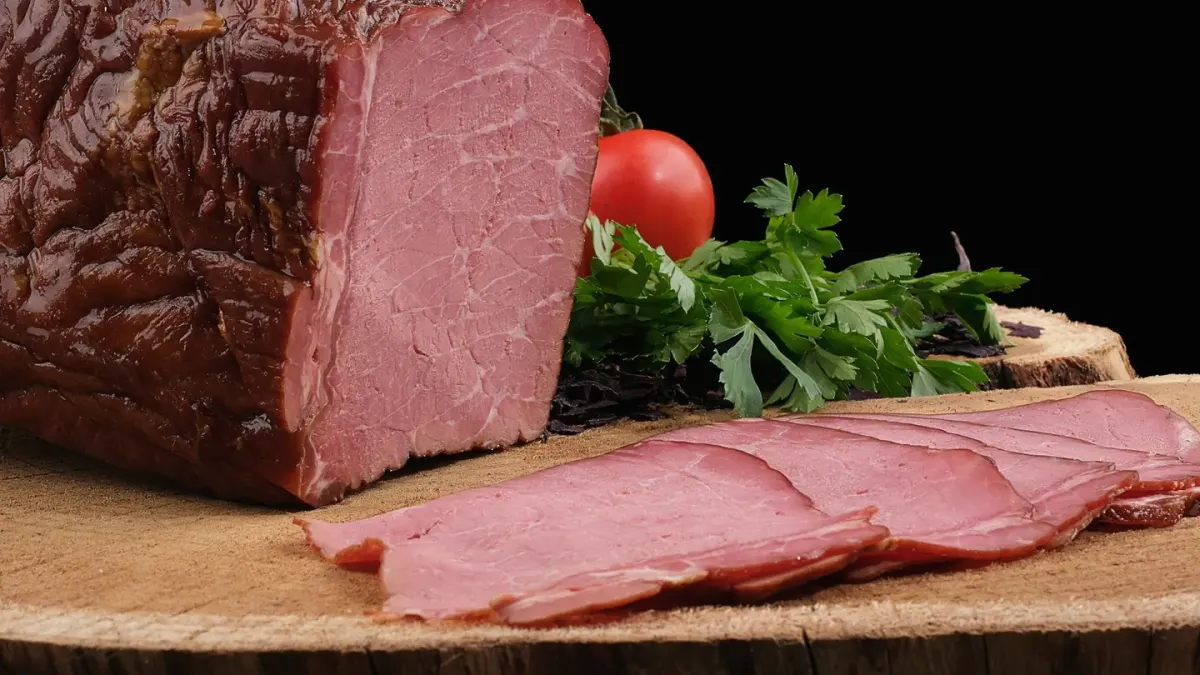
Turkey breast, cooked without skin or seasoning, is a lean, digestible source of protein, and there’s nothing inherently risky about the meat itself. It’s a common protein in commercial dog foods for exactly that reason. The trouble isn’t turkey; it’s everything that tends to travel with it on a holiday plate. When I’m asked whether a dog can “have turkey,” I’m rarely worried about a spoonful of plain breast meat. I’m worried about what else made it onto that fork.

What goes wrong at the holiday table?
Bones are the clearest hazard. Cooked turkey bones become brittle and can splinter into sharp fragments that lodge in the throat, puncture the intestinal wall, or cause a blockage requiring surgery, according to the American Kennel Club. Raw bones carry less splintering risk but still pose a choking and obstruction threat, so neither belongs on a dog’s plate.
Skin and drippings are the second issue, and honestly the one I see cause more quiet suffering than bones do. The fat content in turkey skin, butter-basted meat, and pan drippings can be enough to trigger vomiting, diarrhea, or — in a dog prone to it — pancreatitis, a painful inflammation of the pancreas. A dog doesn’t need to eat much fatty skin to react; it’s more about how rich the bite is relative to what that individual dog’s gut can handle.
Seasoning is the third, and it’s the one owners underestimate most. Onion and garlic, common in gravy, stuffing, and basting mixes, are toxic to dogs in any form — raw, cooked, or powdered — and can damage red blood cells, per the ASPCA. Even a modest amount matters. As VCA Animal Hospitals notes, garlic in particular is more concentrated than onion and doesn’t need to be eaten in bulk to cause harm.
How much turkey is too much?
There’s no single number that fits every dog, because body size, activity level, and individual gut sensitivity all factor in. As a general boundary, treats and extras — turkey included — shouldn’t exceed roughly 10 percent of a dog’s daily calories, with the rest coming from a complete, balanced diet. A few small pieces of plain breast meat is a reasonable amount for most adult dogs; a heaping plateful, skin included, is not.
I think about this the way I think about most “extra” foods in a dog’s diet: it’s not just about whether a food is toxic, it’s about whether it’s worth displacing balanced nutrition for. A little plain turkey rarely tips that scale. A gravy-soaked plate does.
What about turkey skin, fat, and gravy specifically?
Skin and drippings deserve their own mention because they’re so easy to underestimate. The fat isn’t dangerous in the way onion is — it won’t poison a dog outright — but it asks a lot of the pancreas and gut all at once, especially in a dog that doesn’t normally eat rich food. Dogs with a history of pancreatitis, dogs on a low-fat therapeutic diet, and small-breed dogs are the ones I’d be most cautious with. Gravy compounds the problem because it usually carries salt, fat, and alliums together.
When turkey upsets a dog’s stomach, what actually helps?
If a dog gets into fatty turkey skin or a rich holiday plate and ends up with a day or two of loose stool, the fix is rarely dramatic. A bland diet, plenty of water, and time are often enough. For dogs whose gut needs a bit more support recovering its rhythm, a balanced microbiome is worth protecting — Frontiers in Veterinary Science: a balanced gut microbiome supports overall immune function, and gentle fiber sources can help firm things back up; pumpkin fiber, for instance, is a gentle, natural source of both soluble and insoluble fiber that many dogs tolerate well during a GI hiccup. These are supportive measures, not a substitute for veterinary care if symptoms are severe or persistent — and for dogs managing more serious pancreatic disease, treatment runs through enzyme replacement and a low-fat, nutritionally managed diet rather than home remedies, a distinction worth understanding even if it rarely applies to a one-time turkey slip, per a Journal of the American Veterinary Medical Association: JAVMA review.
If you’re building out a broader feeding and lifestyle routine rather than reacting to a single holiday plate, our Whole-Dog Wellness: A Practical Starting Guide walks through where food fits into the bigger picture.
So, can your dog have turkey this year?
Most healthy dogs can enjoy a few bites of plain, cooked, boneless turkey breast without issue. What they shouldn’t get is the skin, the bones, the gravy, or anything seasoned with onion or garlic — that’s where nearly every turkey-related vet visit actually originates. If a family member wants to slip the dog a treat, hand them a small piece of plain breast meat instead of a plate scrape, and keep the carcass, drippings, and gravy boat somewhere the dog genuinely can’t reach. That one substitution does more to keep a dog out of the emergency room than any amount of vigilance at the table.
Frequently asked questions
Can dogs eat turkey every day?
Plain turkey can rotate into a dog's diet as an occasional protein, but it isn't formulated to be a complete, balanced meal on its own. For daily feeding, a nutritionally complete diet is still the foundation; turkey works best as a topper or treat, not a replacement.
Is turkey deli meat okay for dogs?
Deli turkey is usually high in sodium and preservatives, which isn't ideal for regular feeding, especially for dogs with heart or kidney conditions. Plain roasted turkey breast is a better everyday choice.
What if my dog already ate a piece of cooked turkey skin?
A small bite is unlikely to cause harm in a healthy dog, but watch for vomiting, diarrhea, or a painful, hunched abdomen over the next 24 to 48 hours, which can signal pancreatitis. Call a veterinarian if those signs appear or if the dog has a history of pancreatitis.
Can dogs eat turkey bones if they're ground up?
Commercially ground bone in a formulated diet is processed differently than a bone fragment left on a plate. A cooked or raw turkey bone from the table can still splinter or lodge in the throat or intestines, so it should never be handed to a dog directly.
Sources
- Can Dogs Eat Turkey? Holiday Safety Tips for Pet Owners — American Kennel Club
- People Foods to Avoid Feeding Your Pets — ASPCA
- Onion, Garlic, Chive, and Leek Toxicity in Dogs — VCA Animal Hospitals
- JAVMA review on exocrine pancreatic insufficiency (DOI:10.2460/javma.23.09.0505) — Journal of the American Veterinary Medical Association
- Frontiers in Veterinary Science probiotic response study (DOI:10.3389/fvets.2025.1720932) — Frontiers in Veterinary Science