Helping A Dog's Gut Recover After A Diarrhea Episode
A practical recovery guide for dogs after mild diarrhea: rehydration, bland feeding, fiber, and when to call the vet.
Helping your dog recover after a diarrhea episode starts with calm feeding, hydration, and watchful waiting.
On this page
The morning after a diarrhea episode is usually quieter than owners expect. The accidents have stopped, the dog wants breakfast, and the big question is what to offer first. In my practice I blend a Western look at hydration and intestinal recovery with a TCVM read of the pattern — often Spleen Qi deficiency with dampness after an acute upset — and that combination keeps me conservative for the first 24 to 48 hours.
A 4-year-old, 52-pound Lab mix I followed last fall made the decision concrete. He had one night of loose stool after getting into trash, no vomiting by morning, still bright and asking for food. His owner wanted to return straight to full kibble plus a new probiotic chew. We instead held to small, frequent bland meals and water checks through that day, then eased his regular diet back over three days. By day 3 his stools were formed again, and his energy never dipped. The quantified line mattered: appetite back by morning, stool normal by day 3.
That pause has a physiologic reason. Acute diarrhea shortens transit time, strips mucus, and leaves the colon handling extra water. The small intestine needs to resume normal enzyme activity and absorption before it can handle fat and volume. This is why plain rest, water access, and smaller meals may help support normal stool consistency while the mucosa steadies, rather than forcing the gut back to work.
What the gut is doing in the first 48 hours
Western diagnostics focus on fluid balance, electrolytes, and whether inflammation is still active. TCVM adds pattern language: a weak digestive center that cannot transform food, with lingering damp-heat if stools still smell strong or look yellow and loose. I watch gum moisture, skin tent, stool frequency, straining, blood, vomiting, lethargy, and belly pain before I think about any supplement.
Hydration comes first. Offer fresh water often, note intake, and watch urination. For a mild episode in an otherwise healthy adult dog, a 12- to 24-hour simplification of food — not a prolonged fast — followed by bland, low-fat, easy-to-digest meals is the approach many clinicians use at home when the dog is still bright.
Food therapy fits here. Plain cooked white rice with lean boiled chicken or turkey, or a veterinary bland diet, in portions about one-third to one-half of normal per meal, fed three to four times daily. Keep it bland for two to three days, then transition back to regular food over another three to five days. Supplements may help support normal digestion during that window, but they do not replace calories, fluids, or observation.
Why fiber and microbes matter after the rush
Once vomiting has stopped and water stays down, the colon needs fermentable material to rebuild normal motility. Soluble fiber holds water and gives bacteria substrate for short-chain fatty acids, which colonocytes use for energy. Insoluble fiber adds bulk. That dual action is one reason plain canned pumpkin is a familiar recovery food in Western practice and a gentle, spleen-supporting addition in food therapy terms.
Probiotic and prebiotic talk belongs in this phase, with measured expectations. A recent canine trial noted that “Diversity metrics did not distinguish non-responders from responders,” reported in Frontiers in Veterinary Science — a reminder that microbiome shifts do not predict every clinical response. In plain terms, a probiotic may help support a balanced gut environment, but it is not a reset button.
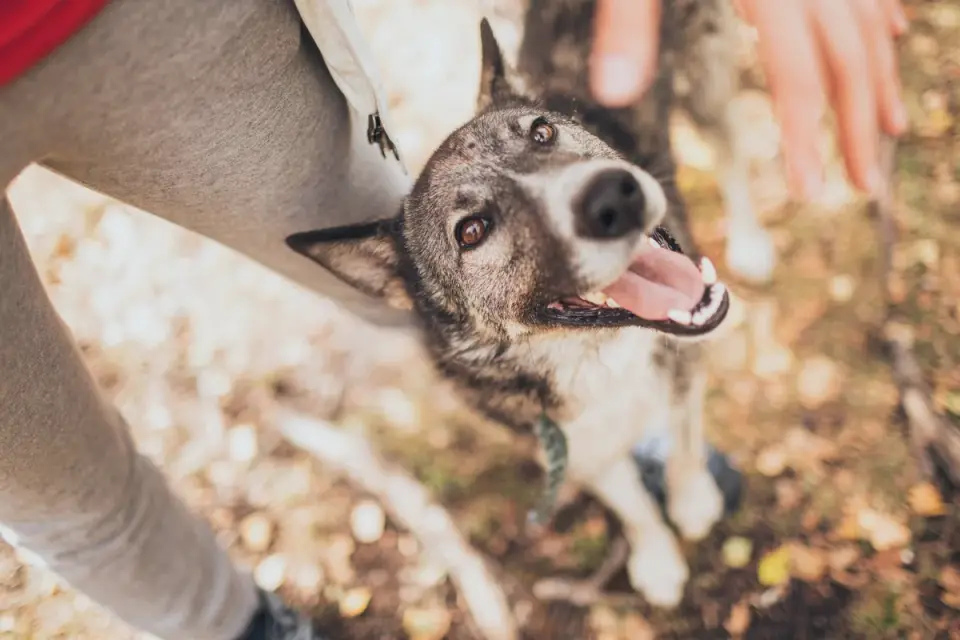
A 7-year-old, 18-pound terrier mix showed the tradeoff. Three weeks in, her owner had cycled through two probiotic products, added extra fiber, and kept meals bland far longer than needed because stools stayed soft. The dog was bright, but her weight slipped and her coat looked dull — a classic Spleen Qi picture of under-nourishment from too much restriction. We widened the diet back toward complete, balanced nutrition, simplified the supplement list to one consistent routine, and tracked stool scores daily. Her stools firmed once regular calories returned.
That case is why I do not stack products during recovery. Pick a simple plan you can sustain for a week, then judge.
Feeding back to normal without a second slide
The reintroduction is where most relapses happen. Fat is the usual trigger, followed by too much volume too fast.
I use this sequence for uncomplicated cases: bland meals for 48 hours, then 25% regular food mixed into bland for two days, 50/50 for two days, 75% regular for two days if stools stay formed. If soft stool returns at any step, step back one level for 48 hours. Puppies, seniors, and dogs under 10 pounds move slower and need earlier veterinary contact because dehydration develops faster.
The enzyme literature is useful context even when pancreatic disease is not the diagnosis. A review in the Journal of the American Veterinary Medical Association notes that “EPI is treated by pancreatic enzyme replacement therapy, nutritional management (low-residue diets with moderate fat content), and supplementation of cobalamin.” That same review cautions that “Future studies are needed to further understand the causes of persistent dysbiosis in animals with EPI following initiation of pancreatic enzyme replacement therapy and assess the efficacy of treatments to ameliorate these abnormalities.” The takeaway for recovery feeding is humble: digestion is enzyme-dependent and ecology-dependent, and normal flora does not always rebound on schedule.
Keep meals warm, not hot. Keep treats minimal for a week. Keep a short log — time, food amount, stool form, water intake.
Small steps hold.
When recovery is not routine
Mild, self-limiting diarrhea looks like this: dog stays bright, drinks, keeps bland food down, stools gradually firm over two to three days. Anything outside that pattern needs a Western workup, not more home care.
Call your veterinarian promptly for bloody stool, repeated vomiting, belly pain or bloating, fever, marked lethargy, refusal to drink, signs of dehydration, or diarrhea lasting beyond 48 hours in adults and beyond 24 hours in puppies or frail seniors. Also call if your dog takes medications that affect immunity, has kidney disease, liver disease, pancreatitis history, or suspected foreign-body ingestion.
An edge case changed how I counsel owners of scavengers. A 2-year-old, 64-pound hound mix had what looked like a standard trash-related episode, improved by day 2 on bland food, then relapsed on day 6 after a fatty chew. The second slide was worse than the first, with vomiting and abdominal tenderness that needed clinic care for suspected pancreatitis. Now I tell owners of high-fat indiscretion cases to keep fat especially low for a full 10 days and to skip chews, table scraps, and rich toppers until stools have been normal for at least a week.
For context on what not to reach for next, this comparison of Pepto-Bismol vs Probiotic Supplements for Dog Diarrhea: What I’d Actually Reach For lays out why bismuth products and microbes do different jobs, and this explainer on CFU Count for a 10 lb Dog vs a 90 lb Dog Probiotic helps keep label numbers in perspective. If you use food-based fiber during recovery, this look at Sauerkraut vs Probiotic Chews for Dog Gut Health explains why plain options often fit sensitive stomachs better.
My position stays consistent across these cases: lead with water, rest, and stepwise bland feeding keyed to both hydration status and TCVM pattern, let a single simple gut-support routine help maintain normal digestion if you use one, and reserve testing and prescription care for dogs that do not follow the expected curve. The strongest counterargument is to start probiotics or enzymes immediately for every loose stool. I still land with food first because most mild episodes resolve with digestive rest, and adding variables early makes it harder to see what the gut is actually doing.
A calm week of feeding does more for recovery than a crowded supplement shelf.
Frequently asked questions
How long should I feed bland food after dog diarrhea?
For mild cases in healthy adult dogs, many veterinarians suggest bland, low-fat meals for 2-3 days, then a gradual 3-5 day transition back to regular food if stools are firming and the dog stays hydrated and bright.
Should I give a probiotic right after a diarrhea episode?
A probiotic may help support normal gut balance, but food, fluids, and monitoring come first. If stools do not improve within 48 hours, or if vomiting, blood, pain, or lethargy appear, contact your veterinarian rather than adding more products.
Sources
- Probiotic non-response and microbiome diversity in dogs — Frontiers in Veterinary Science
- Exocrine pancreatic insufficiency treatment and persistent dysbiosis review — Journal of the American Veterinary Medical Association