How Long Is Recovery After a Dog's TPLO Surgery? A Timeline That Makes Sense
A surgery-track veterinarian explains the 12-week TPLO recovery timeline for dogs, week by week, plus weight, rehab, and what slows healing.
Most dogs need about 12 weeks to heal after TPLO, and the first two weeks set the tone.
On this page
You find out your dog needs TPLO surgery and the first question is practical: how long will this take, and what will those weeks actually look like at home.
TPLO — tibial plateau leveling osteotomy — does not repair the torn cranial cruciate ligament itself. It cuts and rotates the top of the tibia to level the tibial plateau, so the femur no longer slides backward when your dog bears weight. That mechanical change is why stability feels immediate, but bone healing still needs time. I am a veterinarian with an orthopedic interest, not your dog’s surgeon, so use this as a framework and let your surgical team set the final restrictions.
A six-year-old 82-pound Labrador mix comes in non-weight-bearing on his right hind leg after chasing a ball. Radiographs show cranial cruciate rupture with joint effusion and early osteophytosis, and the owner is weighing TPLO against lateral suture and strict rest. She works full-time, has hardwood stairs, and wants to know if she can manage confinement for three months. We walk through the bone-cut healing curve, the need for leash-only potty breaks by day 10, and the recheck radiographs at eight weeks, and she chooses TPLO because her dog’s size and activity level make the mechanical stability worth the aftercare load.
What TPLO changes inside the knee
Think of the canine stifle as a table on a hillside. A steep tibial plateau lets the femur slide downhill every step once the cruciate fails. TPLO flattens that hill and fixes it with a plate and screws, which neutralizes cranial tibial thrust during weight-bearing.
That is different from healing a ligament. The plate holds the geometry while the osteotomy — the cut bone — knits. Soft tissues, meniscus, and arthritis still matter for long-term comfort, which is why surgeons often inspect the meniscus at surgery and why post-op arthritis management continues. The American College of Veterinary Surgeons describes cruciate disease as degenerative in most dogs, not just a sports injury, and that framing helps owners understand why the other knee needs watching too.
Diet and body condition move the needle here before any chew or capsule does. Extra fat mass increases load across that plate with every step, so your surgeon will likely give you a target weight and measured meals on day one.
The 12-week timeline most dogs follow
Most surgeons describe TPLO recovery as an eight- to twelve-week bone-healing period, with full return to off-leash activity closer to twelve to sixteen weeks. The VCA Hospitals TPLO overview outlines a similar staged restriction and progressive reintroduction of exercise, and your clinic’s sheet is the one to follow if it differs.
Weeks 1-2 are about incision protection and swelling control. Expect toe-touching to partial weight-bearing within the first week, cold therapy if prescribed, an e-collar until suture removal, and very short leash walks only to urinate and defecate. Limping is expected. A hot, oozing incision, sudden non-weight-bearing after improvement, or a popping sound is a call-the-surgeon event.
Weeks 3-6 bring slow improvement. Most dogs are bearing more weight by three weeks in, leash walks lengthen from five to ten to fifteen minutes if your surgeon allows, and formal rehab often starts around week two to four with passive range of motion, cavaletti poles, and underwater treadmill where available.
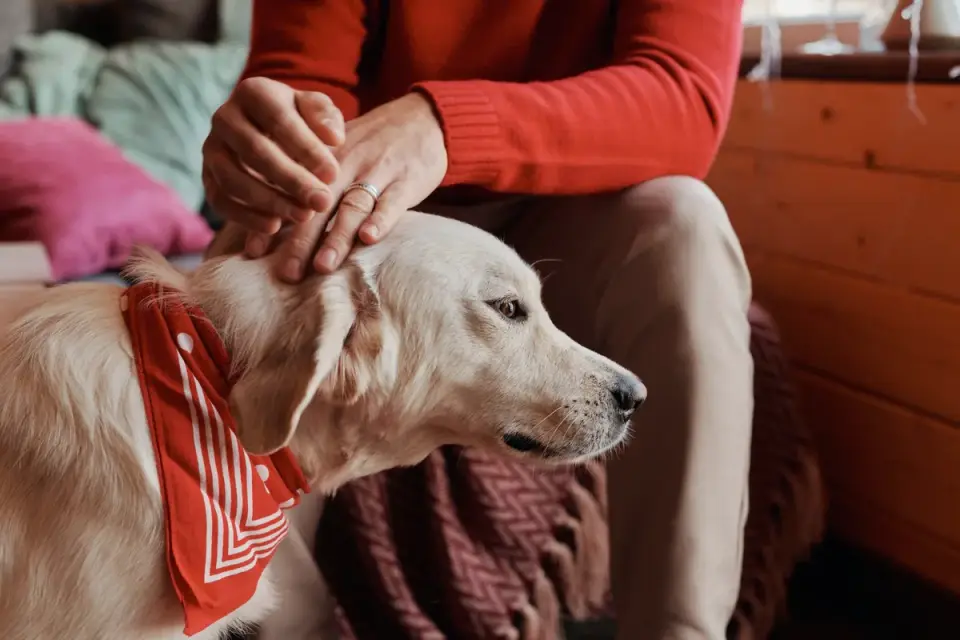
Weeks 6-12 are about bone consolidation. Recheck radiographs around week eight determine whether the osteotomy has healed enough to ease restrictions. Owners often feel tempted to test the leg at this stage.
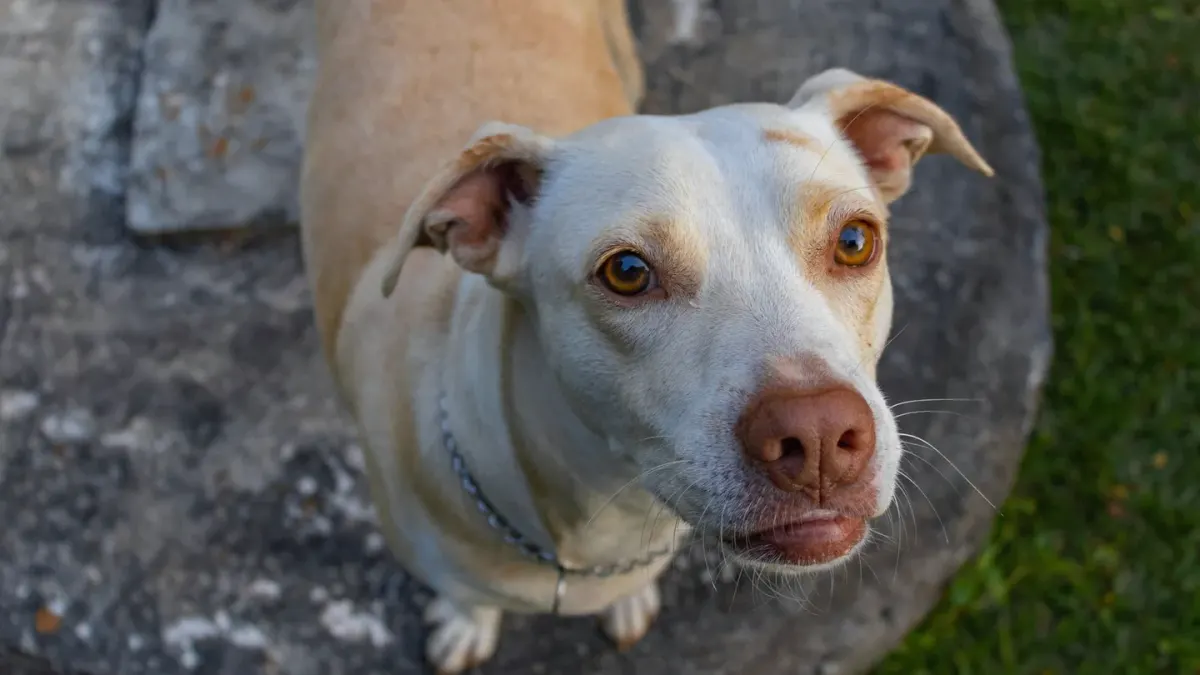
A three-year-old 46-pound pit bull mix was doing well until week five, when her owner, encouraged by almost normal walking, let her off leash in the yard for fetch. She came up acutely lame that evening with swelling over the stifle. Radiographs showed no catastrophic failure, but healing was delayed and restriction restarted for another four weeks with sedatives for confinement anxiety. The tradeoff was clear: two minutes of normalcy cost a month. Controlled loading builds bone; explosive loading disrupts it.
That pattern is common. Healing is not linear, and good days do not mean healed bone.
What speeds healing and what slows it
Confinement is treatment. A small pen or single room with rugs over slick floors, a sling for stairs, and no jumping on furniture does more than any adjunct. Ask today about a plan for the first 14 nights — who sleeps near the dog, how you will block stairs, how you will handle work hours.
Weight matters mechanically. A lean dog loads the implant less and rehabs faster. If your dog gained during pre-surgery lameness, ask for a calorie target now rather than after suture removal.
Rehab helps restore muscle and range of motion once the surgeon clears it. Home exercises are usually short and frequent, not long weekend sessions. Pain control, typically an NSAID plus limited opioid and sometimes gabapentin in the first days, keeps the dog willing to use the leg gently, which preserves muscle.
On supplements, keep them in the adjunctive-support frame. Rest, weight control, and graded rehab drive recovery; joint-support ingredients do not fuse bone faster. With that boundary clear, Glucosamine and chondroitin are among the most studied joint support ingredients for dogs, according to the Journal of Veterinary Medical Science, which notes in lab work that glucosamine can prevent experimentally induced cartilage degradation in vitro. That is in vitro data, not proof of faster TPLO healing.
Chondroitin has been described as an ingredient that supports healthy synovial fluid homeostasis in recent work published in Frontiers in Veterinary Science. Again, that is structure and function support, not a bone-healing claim. Green-lipped mussel is another commonly used adjunct; a review in Nutrients reported that BMO, GMO, and KO all alleviated paw swelling in rats and reduced serum levels of rheumatoid factor (RF), anti-cyclic citrullinated peptide (anti-CCP) antibody, and pro-inflammatory cytokines such as TNF-α and IL-17. That is rodent data, useful for mechanism but thin for post-surgical dogs.
The strongest counterargument I hear is to skip adjuncts entirely and focus only on surgery and rehab. That position is fair. My recommendation is still to get nutrition, weight, and rehab right first, then discuss a simple joint-support plan with your veterinarian for long-term mobility comfort once healing is confirmed — not as a shortcut, but as background support while arthritis management continues.
Dogs on post-op antibiotics or stressed by confinement sometimes get soft stool, and owners ask about gut support. If that happens, review general probiotic label basics like CFU Count vs. Strain Diversity on Dog Probiotic Labels: What Actually Predicts Results and sizing considerations in CFU Count for a 10 lb Dog vs a 90 lb Dog Probiotic before you buy anything, and clear any product with your surgeon.
The edge cases that change the plan
An eight-year-old 24-pound beagle with early kidney disease and a partial tear in the opposite knee complicates the standard script. By week nine she was using the surgical leg well, but she started short-striding on the other hind leg when rising after naps.
That is the classic bilateral problem. About a third to half of dogs eventually injure the other side, and favoring the good leg during TPLO rest can unmask it. Her plan shifted: shorter, more frequent leash walks, non-slip runners through the whole hallway, joint radiographs of both stifles instead of just the surgical side, and a slower return to stairs. Recovery still finished on time, but maintenance focused on both knees, not one.
Small dogs, giant breeds, and dogs with meniscal damage or infection heal on different curves. Persistent lameness past week eight, implant-site swelling, or regression after steady gain deserves recheck and radiographs, not watchful waiting.
Healing takes roughly three months. Patience is the implant’s best friend.
Your do-this-today list: set up the confinement pen before surgery day, buy rugs and a sling, pre-portion meals to the prescribed calories, schedule help for weeks one and two, and put the eight-week recheck on the calendar now. If you manage load, weight, and follow-up, the mechanics of TPLO do the rest.
Frequently asked questions
How long is strict rest after TPLO?
Most surgeons require 8-12 weeks of confinement with leash-only potty breaks, with radiographs around week 8 to confirm bone healing before restrictions ease.
When will my dog walk normally after TPLO?
Many dogs bear weight within the first 1-2 weeks and improve steadily through weeks 3-6, but a normal off-leash gait usually returns closer to 12-16 weeks.
What is the most common reason TPLO recovery takes longer?
Too much activity too soon, infection, weight gain on slick floors, or undiagnosed issues in the opposite knee or meniscus.
Sources
- TPLO Overview — VCA Hospitals
- Cranial Cruciate Ligament Disease — American College of Veterinary Surgeons
- Glucosamine cartilage study — Journal of Veterinary Medical Science
- Synovial homeostasis study — Frontiers in Veterinary Science
- Marine oil inflammation study — Nutrients