Is It Normal for an Older Dog to Always Seem Hungry?
Why senior dogs beg more, when hearty appetite is normal aging and when constant hunger signals a vet visit, plus what to measure at home.
I sort senior hunger by numbers first — measured food, body weight, water intake, and recent bloodwork — because appetite alone cannot tell normal aging from disease.
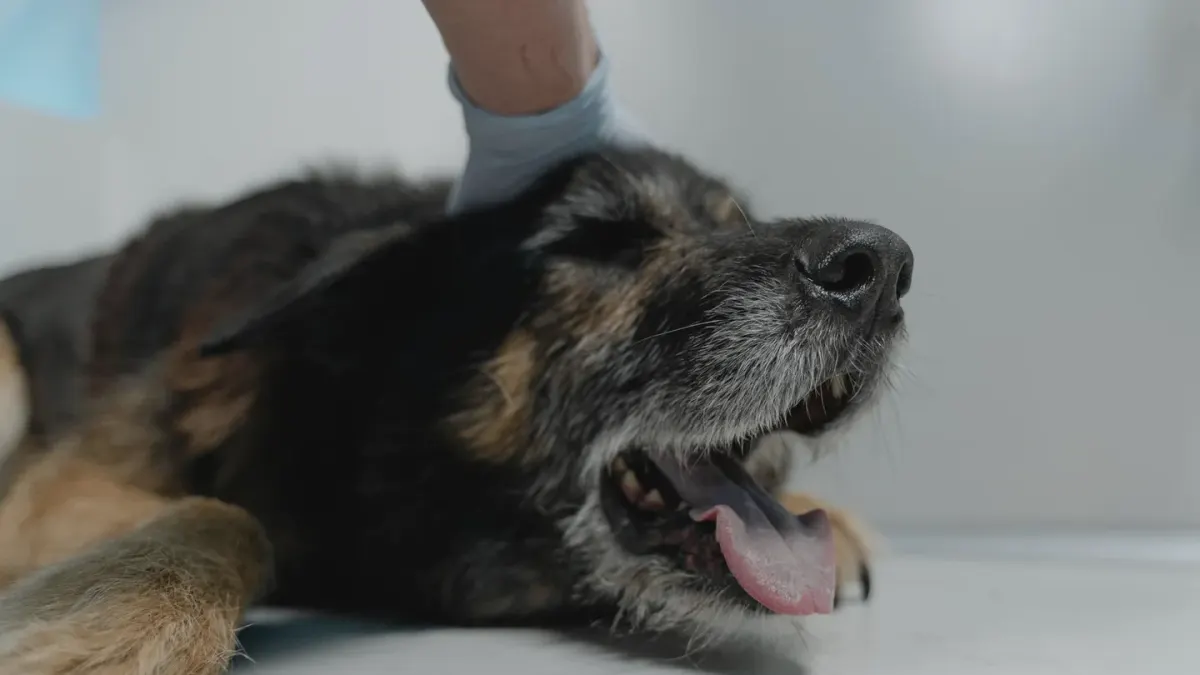
A gray-muzzled terrier mix, 14 years old and 18 pounds, started shadowing his owner from kitchen to table in late September. By the third week of October the begging had changed character. He finished his measured half-cup of senior diet in under two minutes, then nosed the empty bowl across the tile, then counter-surfed for the first time in years. His owner was not sure whether to feed more or worry more, and that is exactly the fork most senior owners face. Appetite rises and falls with age, and the job is to make the decision concrete before adding food.
Set the baseline this week. Weigh the food with a cup or scale for three days. Weigh the dog on the same scale. Write down water refills and nighttime wake-ups. Note stool quality, vomiting, weight trend, and any new medication. Dogs lose muscle and absorb nutrients less efficiently with age, so a diet review matters, and How Feeding Amounts Change With Age walks through why measured portions drift as activity drops.

When a bigger appetite still fits normal aging
Check the analyte before the assumption. A senior dog that holds weight, holds muscle over the ribs and hips, drinks a normal amount, and has bloodwork inside the reference interval can still act hungrier because energy needs shifted, food is less digestible, or routine changed. Less activity, colder weather, a new low-fat diet, or more competition from another pet will push begging without pushing disease.
Feed to the ribs and the scale, not the stare. Keep meals on schedule. Divide the daily ration into two or three smaller meals. Add warm water to kibble to slow gulping and increase volume without adding calories. Build satiety with fiber your veterinarian approves, chew time, and a short sniff walk after dinner. Track for two weeks.
That pattern breaks in disease, and diabetes is one reason constant hunger pairs with weight loss and heavy thirst. VCA Hospitals describes increased appetite alongside weight loss, excessive thirst and urination, and the laboratory pattern veterinarians use to confirm it.
Why adding an extra scoop usually backfires
A 9-year-old Labrador, 82 pounds in August and 86 pounds by early November, showed the tradeoff clearly. His owner answered the begging with an extra half-scoop at night plus table scraps, four to five nights per week. The bowl emptied faster. The waist disappeared. Stairs grew harder, panting lasted longer, and the morning walk shortened from 20 minutes to 12. The added calories did not settle him. They added fat while the underlying question — thyroid, adrenal, intestinal absorption, medication effect, or cognitive change — stayed untested.
Do not repeat that loop.
Call the clinic if hunger rises fast, persists beyond two weeks despite measured feeding, or arrives with thirst, urination accidents, panting, a potbelly, vomiting, diarrhea, or weight loss. Bring the three-day food log, the weight trend, and the medication list, including steroids, anti-seizure drugs, and appetite stimulants. Ask what a label actually tells you: calories per cup, fat percentage, and feeding guide for the current weight, not the remembered weight. Ask which analytes the laboratory panel covers — glucose, thyroid hormone, liver values, urine concentration — and what interval the laboratory uses for a senior dog.
Cognitive shifts complicate the picture too, especially night pacing and forgotten meals, which overlap with hunger signals. Why a Senior Dog Gets Disoriented in Her Own Backyard explains how disorientation can look like restlessness around food.
The dog that needs a different rule
A 12-year-old spaniel on a six-week taper of prednisone for severe itch broke the usual advice. She went from one water bowl per day to nearly three, begged through the night, and had two accidents in five days after years of being housetrained. Cutting food back would have missed the cause. The drug was driving polyphagia and polydipsia, a pattern also seen in Cushing disease, where Merck Veterinary Manual lists increased appetite, thirst, urination, and abdominal enlargement among the signs that prompt adrenal testing.
Handle that case differently. Do not adjust the dose yourself. Phone the prescribing veterinarian. Ask whether the dose, schedule, or alternative can change. Measure water for 48 hours. Feed low-calorie bulk like a measured vegetable only if the veterinarian approves it for that condition. Protect sleep with a late small meal and a late potty break. Revisit bloodwork and urine on the schedule the clinic sets, because the analyte trend guides the taper.
My position holds for most seniors: read the label and the bloodwork before the claim.
Hunger alone proves nothing.
Frequently asked questions
How long should I track hunger before calling the vet?
Track measured food, weight, water, stool, and behavior for up to two weeks if the dog is otherwise bright and stable. Call sooner for sudden severe hunger with thirst, weight loss, vomiting, diarrhea, panting, or accidents.
Should I just feed my senior dog more when he begs?
Not until you know the trend. Weigh food, weigh the dog, and check muscle condition first. Extra calories without lab context can add fat while missing diabetes, adrenal disease, malabsorption, or a medication effect.
Sources
- Diabetes in Dogs — VCA Hospitals