Managing a New Puppy and an Older Dog in a Shared Household
A preventive, practical guide to introductions, space, rest, and training when a puppy joins a senior dog's home.
Your older dog should not have to train your puppy for you — protect sleep, space, and routine first and most behavior problems never start.

On this page
Your older dog should not have to train your puppy for you — protect sleep, space, and routine first and most behavior problems never start. That expectation shapes everything below, because puppies are rude by developmental design and older dogs are often sore, tired, and less tolerant than they were at five.
The first three weeks I ask families to think like a nurse, not a referee. A nine-year-old, 62-pound Labrador who naps eighteen hours a day does not need a ten-week-old terrier mix practicing pounces on her hips by day 4. I watched that exact mismatch in a composite case many owners will recognize: the Lab started lip-licking and walking away, then growled by the water bowl on day six, and the owners worried she had turned aggressive overnight. She had not. Her baseline had shifted from rested to exhausted, and no one had given her a puppy-free place to recover. Once we added scheduled separation, her appetite and greeting behavior returned to normal by day 10.
Set the house so the senior gets a vote
Give the older dog control over distance before you work on friendship. Keep the puppy on leash or behind a pen for the first one to two weeks, with separate water stations, chew spots, and sleeping areas on different sides of a baby gate. Feed in separate spaces with doors closed. Pick up high-value chews when dogs are together.
Do this today. Map two rest zones the puppy cannot enter. Put a white-noise machine or fan near the senior zone. Trade free roaming for rotations: puppy explores while the senior naps, then switch. Short, calm proximity beats long, chaotic togetherness. If you are seeing arousal at doorways, the approach in How to Stop Your Dog From Bolting Out the Front Door helps you build a doorway routine that keeps both dogs safer.
A single-sentence rule I repeat in exam rooms: rest is preventive care.
Teach the puppy the skills the senior needs most
Your puppy needs four behaviors to live politely with an older dog: settle on a mat, disengage on cue, trade objects, and rest alone in a pen. Practice in five-minute sessions, three to four times daily. Reward four paws on the floor, looking away from the older dog, and choosing a toy instead of a tail.
Keep greetings short and supervised. Three to five seconds, then call the puppy away cheerfully and reward. End on a calm note rather than waiting for tension. Leash the puppy indoors during the learning phase so you can prevent rehearsal of jumping, bullying, and stealing beds.
One tradeoff I see constantly involves exercise. A client-style example I counsel against looked like this: to tire out a fourteen-week-old, 18-pound spaniel mix, the family added two long fetch sessions plus evening wrestling with their eleven-year-old, 48-pound beagle mix for three weeks in a row. By week three the puppy was fitter but wilder, and the beagle began guarding the couch and snapping when bumped. More shared arousal had created less self-control, not more. We cut forced fetch in half, replaced it with sniff walks, scatter feeding, and pen naps, and the beagle chose to lie near the pen again within five days. Fitness never substitutes for taught calm.
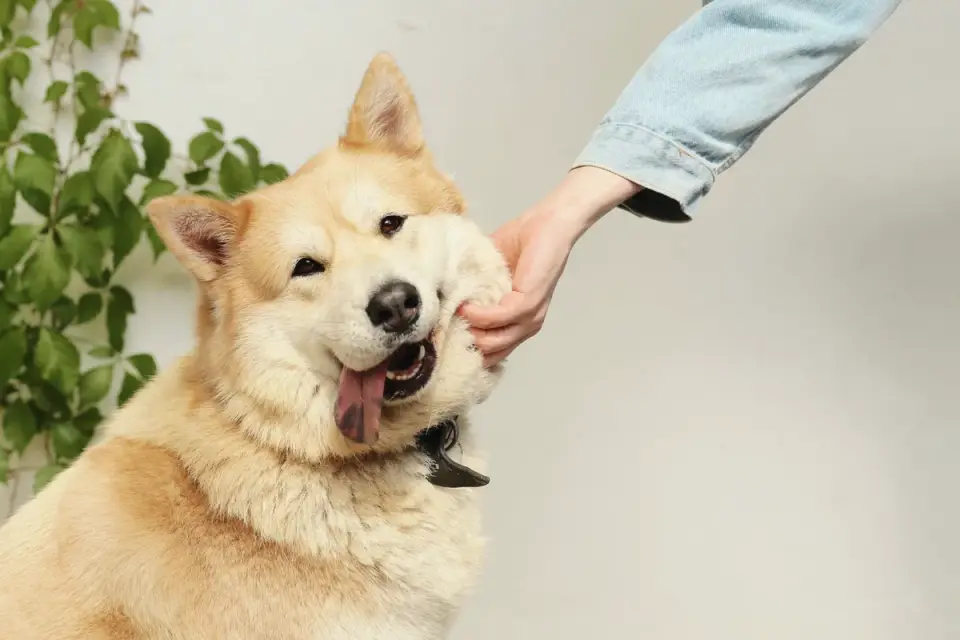
Read the older dog’s body before you push togetherness
Learn the early stress ledger: turning away, yawning when not tired, lip licking, shake-offs, moving behind furniture, and leaving the room. Those signals may help support your timing — step in early and you preserve trust. Growling, freezing, hard staring, and guarding are late signals. Respect them rather than punish them.
Pain changes tolerance. Stiffness on rising, hesitation on stairs, snapping when jostled in sleep, and reduced play often reflect orthopedic or dental discomfort rather than attitude. Schedule a baseline senior exam, keep nails short for traction, add rugs on slick floors, and raise food and water to a comfortable height. Maintain the senior’s walks, sniff time, and one-on-one attention so the puppy does not erase the routine that keeps an older dog steady.
If alone-time whining or chewing starts in either dog, compare notes with Boredom vs Separation Anxiety: How to Tell the Difference and Is My Dog Chewing Out of Boredom or Anxiety?. Puppies often chew from boredom and poor confinement habits, while seniors may vocalize when routine changes.
Where calming support fits, and where the evidence is thin
Management and training do the heavy lifting. Diet, predictable sleep, daytime activity matched to age, and low-stress handling come next. Supplements are background support at best, and I keep expectations narrow and preventive.
Name what is known honestly. “Chamomile and Valerian Root have been used in traditional herbal care to support relaxation.” “Contains KSM-66 Ashwagandha, a clinically studied form of Ashwagandha for stress support.” “L-theanine is an amino acid found in tea that has been studied for its calming properties.” Those structure/function phrases describe tradition or study context, not proof of effect in your dogs.
The evidence limits matter. “For the remaining species, evidence is derived mainly from preclinical studies or traditional use,” as summarized in the Biomedicines review. “A systematic review analyzed multiple RCTs and concluded that ashwagandha has a moderate positive impact on stress reduction and cognitive performance,” reported in Cureus, which reflects general human literature rather than puppy-senior household outcomes. And theanine data remain narrow, with “except for one study on psychotic anxiety (SMD = 0.54; 400 mg/day for 8 weeks)” noted in Molecular Psychiatry. In plain terms: these ingredients may help support calm routines alongside behavior work, but they do not teach boundaries or replace sleep.
The edge case that changes the plan
Not every senior wants a puppy friend, and that can be the right outcome. I think of a composite household with a thirteen-year-old, 34-pound shiba-type dog with kidney disease and a five-month-old, 41-pound doodle mix who reached social maturity early. By week six the older dog ate only when the puppy was out of sight and began urinating near the back door at night. Bloodwork was stable; the change was environmental load. The family stopped aiming for cuddling and built a parallel life instead: separate morning routines, solo sniff walks for the senior, crate rest for the puppy after meals, and shared time limited to calm mat work for ten minutes daily. Within two weeks the senior ate in the kitchen again and chose the same room as the puppy’s pen. Coexistence, not companionship, became the goal that protected health.
That distinction guides my recommendation. Prioritize the senior’s baseline — appetite, sleep, mobility, willingness to be near you — over cute interactions. The strongest counterargument is that dogs should work it out and the older dog will correct the puppy. Brief, appropriate corrections happen, yet repeated corrections signal your management has failed. You still land on prevention: intervene early, separate kindly, and reward the puppy for choosing space.
Looking forward, measure success in small preventive wins: the puppy settles without being asked, the senior stays in the room, meals are eaten calmly on both sides of the gate. Keep timelines realistic across two to three months, keep your veterinarian in the loop on pain and anxiety, and let the relationship develop at the speed of the oldest dog in the home.
Frequently asked questions
How long should I keep a new puppy and older dog separated?
Plan on managed rotations for at least the first two to three weeks, then loosen gradually based on rest, appetite, and calm behavior. Many households keep separate sleep and feeding zones for months.
Should I let my older dog correct the puppy?
Brief, low-intensity disengagement cues can be normal, but repeated growling, snapping, or guarding means you need more distance and structure. Do not use the senior as the trainer.
What if my senior dog stops eating or hides after the puppy arrives?
Create immediate puppy-free space, restore the old routine, and call your veterinarian promptly to rule out pain or illness. Appetite and withdrawal changes in seniors deserve timely medical review.
Sources
- Chamomile evidence review — Biomedicines review
- Ashwagandha systematic review — Cureus
- L-theanine review — Molecular Psychiatry