Can Dogs Have Adult Gummy Multivitamins Instead of a Dog Multivitamin Chew?
A veterinarian explains why the gummy vitamins in your bathroom cabinet are not a safe swap for a dog multivitamin chew, and what actually matters when you pick one.
Short answer: no. Adult gummy multivitamins are dosed and sweetened for human bodies, and that mismatch is where the real risk sits.

On this page
A client called me last spring about her ten-year-old beagle, Winnie, who had gotten into a bottle of her adult gummy multivitamins left on the nightstand. Winnie weighed about twenty-two pounds, and the bottle had maybe fifteen gummies missing by the time anyone noticed the chewed-open cap on the bedroom floor. We went through the label together on the phone: iron, vitamin D3 at 50 micrograms per gummy, and a sugar alcohol blend that turned out, thankfully, not to include xylitol. She was lucky. It still meant an emergency visit, induced vomiting, and a long night of watching for the vomiting, lethargy, and increased thirst that mark early vitamin D toxicity.
That scare is why I answer this question the same way every time it comes up in the exam room: don’t reach for your own gummy bottle when you run out of your dog’s chew. It isn’t a matter of dogs being delicate or the ingredients being exotic — it’s that the products are built for an entirely different set of assumptions about body size and daily tolerance.
Why the Same Vitamin Isn’t the Same Dose
A gummy multivitamin made for a 150-pound adult and a chew made for a 25-pound terrier can contain the identical vitamin, at wildly different practical exposure. Iron and vitamin D have the smallest margin of safety of the common vitamins, and that margin narrows fast when a small dog gets a dose sized for a full-grown person. FDA explains that vitamin D is fat-soluble, so a dog’s body stores the excess in fat and the liver rather than clearing it in urine — which means a single oversized dose, or a handful eaten off the counter, can push a dog toward kidney injury rather than simply passing through. Vitamin A poisoning, by contrast, tends to come from chronic overfeeding rather than one gummy too many, according to the Merck Veterinary Manual, so a single accidental gummy is less alarming on that front than the vitamin D and iron content usually is.
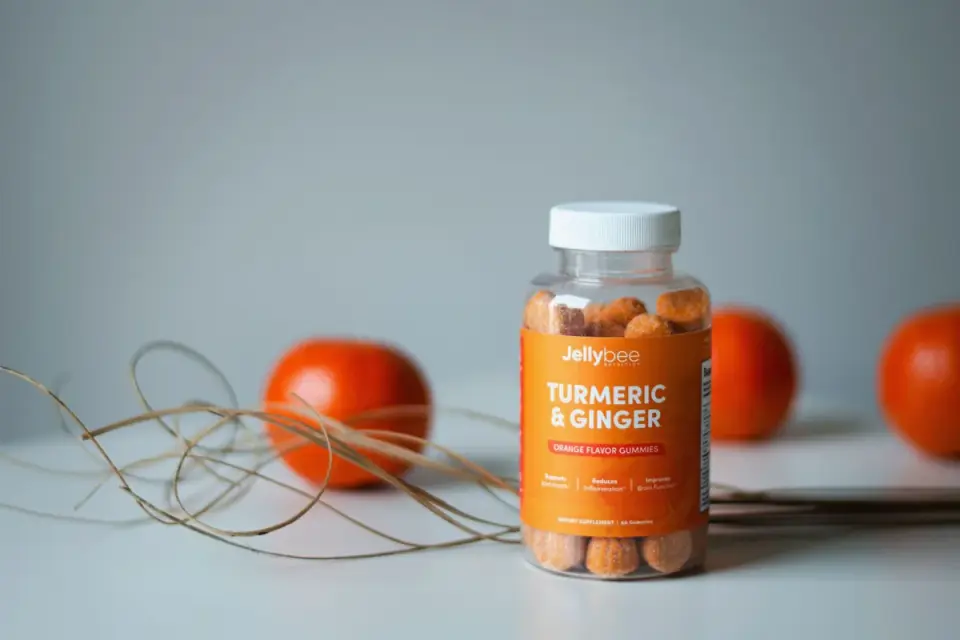
The Sweetener Problem Nobody Reads the Label For
The bigger hazard in most adult gummy vitamins isn’t the vitamins at all — it’s the sweetener. Xylitol shows up in a meaningful share of chewable and gummy vitamins on pharmacy shelves, and the ASPCA flags iron, vitamin D, and xylitol as the three biggest troublemakers in gummy vitamin ingestion cases they field. Xylitol causes a rapid, dangerous drop in blood sugar in dogs, and it’s genuinely toxic in amounts that would do nothing to a person. It doesn’t take a large handful. If you don’t recognize every ingredient on that label, don’t let your dog have it. That single habit prevents more emergency visits than almost anything else I can tell an owner.
What a Dog Multivitamin Chew Is Actually Doing Differently
A dog-specific multivitamin chew isn’t just a gummy with a paw print on the label. Reputable ones are dosed by weight tier, formulated without xylitol or other sweeteners that are risky for dogs, and often built to a supplement facts panel that assumes a dog’s smaller size and different metabolism from the outset. Many are made by companies that carry the NASC Quality Seal, which requires a facility to pass a third-party audit, maintain ingredient traceability, and run an adverse-event reporting system — a meaningful signal in a category that isn’t federally regulated the way human supplements are. That seal doesn’t guarantee a product is right for your dog’s specific gaps, but it does tell you the company is accountable for what’s actually in the jar.
I want to be honest about the counterargument here, because I hear it often: many adult dogs eating a complete, AAFCO-formulated commercial diet don’t need a daily multivitamin at all, gummy or otherwise. A vitamin chew is not a substitute for a diet that’s already nutritionally complete, and I’d rather see an owner spend that budget on better quality protein or joint support if their dog actually needs it. Where a multivitamin chew earns its place is in dogs on a limited or home-prepared diet, older dogs with reduced appetite, or dogs recovering from illness where intake has been inconsistent — situations where a vet can help identify an actual gap rather than guessing.
In my own practice, working from a pain-management and whole-body lens, I think about vitamin support the same way I think about herbs or acupuncture: it belongs inside the whole-patient picture, not layered on top of a diet that’s already doing the job. I had a twelve-year-old dachshund patient, thin-coated and losing muscle after a rough bout of pancreatitis, whose owner asked whether the leftover gummy vitamins from her own medicine cabinet would tide him over until his appetite came back. We talked through why that wasn’t the move — his kidneys were already working harder than usual, and adding an unmeasured vitamin D load was the last thing they needed — and instead used a dog-formulated chew at a dose matched to his eight pounds, alongside food therapy adjustments to rebuild his appetite gradually over about three weeks. His coat and energy came back slowly, the way recovery in an older dog usually does, and the vitamin support was one piece of that picture, never the whole plan.
Reading a Label Before You Buy Either One
Whichever chew you land on, check for xylitol or other sugar alcohols by name, confirm the dose is listed by weight range rather than a flat adult serving, and look for a manufacturer that discloses sourcing and third-party testing. If you’re unsure whether your dog’s diet already covers a given nutrient, that’s a conversation for your vet, not a guess based on what’s already open in your cabinet. A dog with joint stiffness, for instance, is often better served starting with the fundamentals covered in our guide to a dog hip and joint supplement than with a general multivitamin. Dogs with anxiety-driven appetite loss sometimes need the calming piece addressed first — our breakdown of dog calming chews covers what’s actually backed by evidence there.
Where This Actually Lands
Adult gummy multivitamins are not a safe stand-in for a dog multivitamin chew. The dosing is wrong for a dog’s body weight, the sweeteners are frequently unsafe, and the products were never evaluated for canine tolerance in the first place. If your dog needs vitamin support, a dog-specific chew from a company with real quality controls, chosen with your vet’s input about what your dog’s diet is actually missing, is the safer and more useful choice — and for most dogs eating a complete commercial diet, the honest answer is that no multivitamin is needed at all.
Frequently asked questions
Can one adult gummy vitamin hurt my dog?
It depends on the ingredient and the dog's size. A single gummy is less likely to cause harm than a handful, but xylitol-containing products are dangerous even in small amounts, so check the label and call your vet or an animal poison control line if you're unsure.
Are children's gummy vitamins any safer for dogs than adult ones?
Not reliably. Children's formulas can still contain xylitol or high iron content relative to a small dog's body weight, so they carry similar risks and shouldn't be treated as a safer swap.
How do I know if my dog even needs a multivitamin?
Most dogs eating a complete, AAFCO-formulated commercial diet don't need one. Talk to your vet before adding a supplement, especially if your dog is on a home-prepared diet, recovering from illness, or eating less than usual.
Sources
- Help! My Dog Just Ate Some Gummies! What Do I Do? — ASPCA
- Vitamin D Toxicity in Dogs — FDA
- Toxicoses in Animals From Human Multivitamins and Supplements — Merck Veterinary Manual
- National Animal Supplement Council — NASC