Can Dogs Eat Mushrooms? A Vet Nutritionist's Field Guide
A board-certified veterinary nutritionist explains which mushrooms dogs can eat safely, why wild mushrooms are a real emergency risk, and what to do if your dog eats one.
Dogs can eat certain plain, cooked mushrooms safely, but wild mushrooms picked up on a walk can be deadly.
On this page
So your dog just ate something small, brown, and rubbery off the lawn — do you actually need to worry, or is this just another thing dogs do?
I remember standing in a client’s backyard years ago, coffee going cold on the porch rail, while a springer spaniel worked her way along the fence line after a week of rain. She wasn’t digging or chewing a toy. She was hunting for mushrooms, snapping the caps off at the stem the way she’d go after a tennis ball, and swallowing them before anyone could get across the yard. Her owner laughed it off at first — dogs eat weird things, right? But that particular yard backed up to a wooded lot, and there was no way to know from twenty feet away whether what she’d found was a harmless lawn fungus or something that could put her in liver failure by the weekend. That gap between what a mushroom looks like and what it actually is turns out to be the whole story here.
So, Which Mushrooms Are Actually Safe?
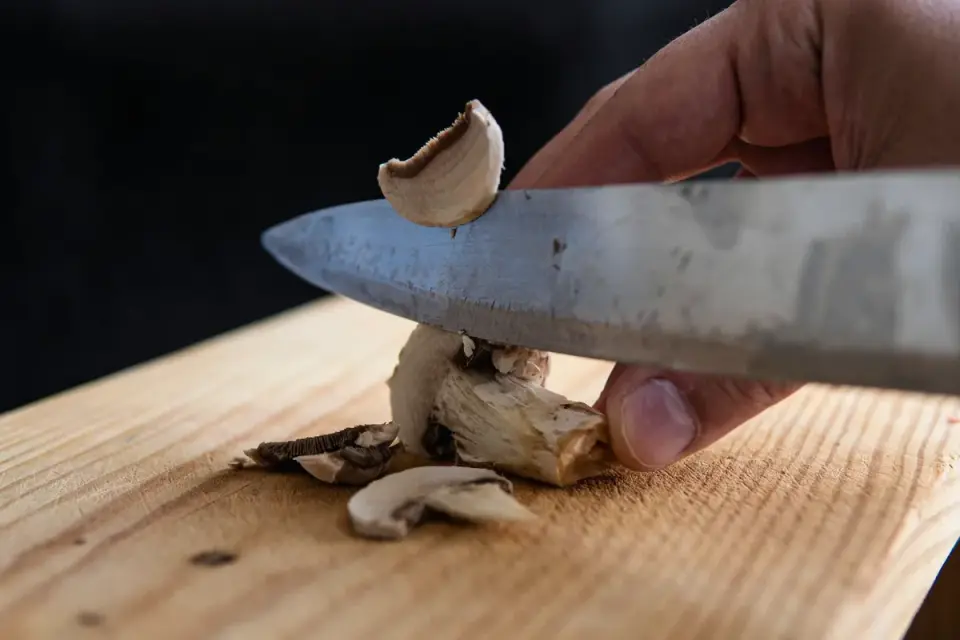
Plain, cooked, unseasoned mushrooms from the grocery store — white button, cremini, portobello, shiitake — are considered safe for dogs in small amounts, according to AKC. Skip the garlic, onion, butter, and salt that usually come with a sautéed mushroom, since those ingredients carry their own risks. A few bites as an occasional topper isn’t a nutritional need for a dog, but it isn’t a hazard either, in this specific, known form.
That’s the easy half of the answer. The hard half is everything growing outside your kitchen.
What Makes Wild Mushrooms So Risky?
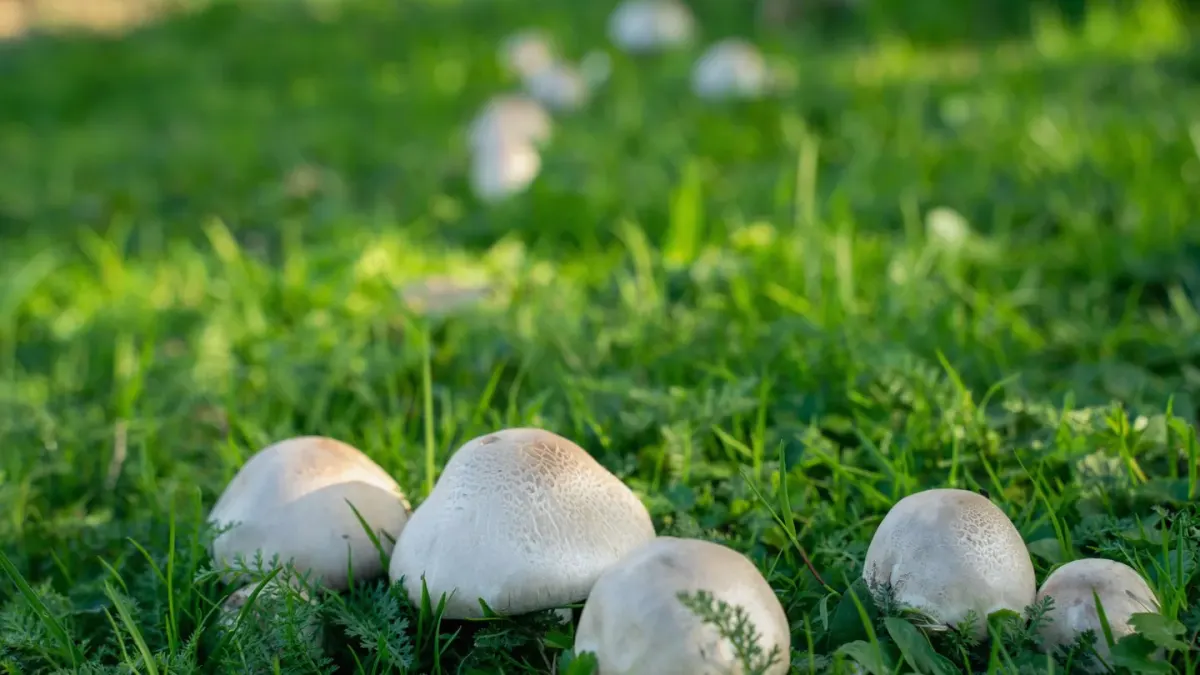
This is where I get direct with owners, because the stakes are genuinely different. Wild mushroom poisoning is believed to be an under-reported cause of fatal poisoning in dogs, and toxic species can cause severe stomach upset, liver damage, kidney damage, or neurologic signs depending on which toxin is involved, per the ASPCA. Death cap mushrooms (Amanita phalloides) are the species I’d want every owner to recognize by name, because they’re among the most lethal fungi a dog can encounter and the toxin works quietly. According to UC Davis School of Veterinary Medicine, signs can take many hours to appear, and by the time obvious illness sets in, liver damage may already be underway.
Here’s the part that trips owners up most: you usually cannot eyeball a mushroom and know it’s dangerous. Color, size, and cap shape aren’t reliable safety signals unless you have real mycology training, and most of us don’t. I’d rather a client assume every unidentified mushroom in the yard is unsafe than gamble on the ones that look ordinary.
What Happens If Your Dog Already Ate One?
Don’t wait for symptoms. Because some of the most dangerous species have a delayed onset, waiting to see if your dog gets sick can cost you the treatment window that actually matters. Pet Poison Helpline recommends contacting your vet, an emergency clinic, or a poison control line right away if your dog has eaten a wild mushroom, even before any symptoms show. If you can safely bag a sample of the mushroom (without touching it with bare hands) for identification, that helps the treating vet act faster.
How Do You Keep Mushrooms Out of Reach in the First Place?
This is the low-drama, high-leverage part, and it’s mostly yard maintenance rather than anything medical. Reduce how often you water your lawn, since damp soil is what fuels fungal growth in the first place. Keep grass mowed short, rake up clippings and thatch, and walk your yard after rain to clear new mushrooms before your dog finds them first. On walks through wooded or damp areas, a leash and a solid drop-it cue do more real-world protective work than almost anything else you can teach.
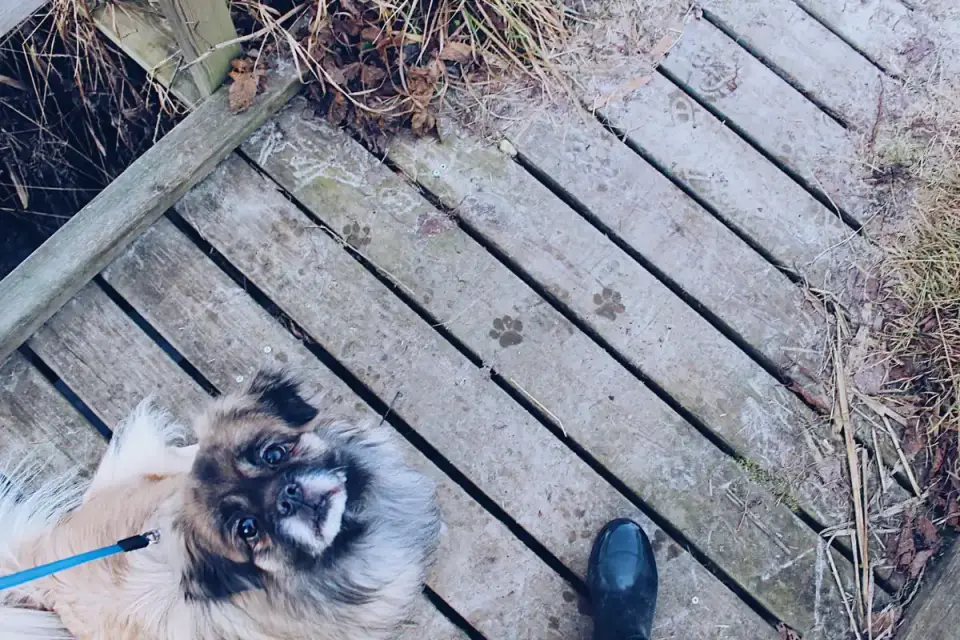
A lot of this overlaps with the broader rhythm of keeping a dog well day to day — the same attentiveness that shows up in our starting guide applies here: noticing the yard, noticing the walk, noticing what’s actually going into your dog’s mouth.
What About Medicinal Mushroom Supplements?
Owners sometimes ask me whether reishi, turkey tail, or lion’s mane supplements are the same conversation. They’re not. These are processed extracts marketed for immune and whole-body support, not raw fungi picked up outdoors, and I want to be honest about where the evidence actually stands: the research on medicinal mushroom extracts in dogs is still thin, mostly extrapolated from human or in-vitro data. The strongest counterargument I hear is that owners want something proactive to do for an aging dog’s immune health, and I understand that instinct. But a supplement can only realistically support what a solid diet and veterinary care are already doing — it isn’t a shortcut around either one. If you’re considering one, I’d frame it as a structure/function adjunct, discussed with your vet, not a stand-in for the basics.
The Bottom Line
Grocery-store mushrooms, cooked plain, are a low-risk treat. Wild mushrooms are a genuinely different category, and the safest habit is removing them from your yard and treating any accidental ingestion as urgent, not wait-and-see.
For related context, read Can Dogs Eat Turkey? A Vet Nutritionist’s Guide to Safe Portions.
Frequently asked questions
Can dogs eat mushrooms from the grocery store?
Plain, cooked mushrooms like white button, cremini, portobello, and shiitake are generally considered safe for dogs in small amounts, without garlic, onion, butter, or heavy salt.
My dog licked a mushroom in the yard — is that an emergency?
Treat it seriously. You usually can't identify a toxic species on sight, and some of the most dangerous mushrooms cause no symptoms for a day or more while doing internal damage. Call your vet or a poison control line right away.
How fast do mushroom poisoning symptoms show up in dogs?
It varies by species. Some cause vomiting or drooling within an hour. Others, including death cap mushrooms, may not show signs for six to twenty hours, with liver failure developing over several days.
Are mushroom supplements like reishi or turkey tail safe for dogs?
These are a different product category from raw or wild mushrooms. Some formulations are marketed to support immune and whole-body wellness, but the research base is still limited, so I'd treat them as a structure/function adjunct, not a substitute for veterinary care.
Sources
- The Fungus Among Us: Mushroom Toxicosis — ASPCA
- Can Dogs Eat Mushrooms? Why These Fungi Can Be Dangerous — AKC
- Mushroom Toxicity in Dogs — UC Davis School of Veterinary Medicine
- My Dog Ate a Mushroom in the Grass — Pet Poison Helpline