Does an Old Dog's Activity Level Naturally Drop More in Winter?
A vet explains why senior dogs slow down more than younger dogs once the temperature drops, and what to actually do about it before spring.
Yes, it drops more than it should — and the fix usually isn't more rest, it's smarter, shorter, warmer movement.
On this page
- A twelve-year-old Lab, a shorter leash, and a question that isn’t really about winter
- Why cold actually changes an older dog’s body, not just his mood
- The fix that doesn’t work, and why I stopped recommending it
- What this actually looks like day to day
- The edge case that changes the advice
- Where I actually land
Before the why, here’s what I’d actually check first:
- Is the drop gradual (normal winter slowdown) or sudden (worth a vet visit)?
- Does she warm up after five to ten minutes of walking, or stay stiff the whole way?
- Is she avoiding stairs, the cold floor, or jumping into the car more than she did in October?
- Are walks shorter because of her, or because you’re the one who doesn’t want to go out?
- Has her appetite, sleep, or bathroom schedule changed alongside the activity dip?
If most of those point to “gradual, warms up, avoids specific things” — this is common, and manageable. If it’s sudden or she’s not warming up at all, that’s a vet visit, not a wait-and-see.
A twelve-year-old Lab, a shorter leash, and a question that isn’t really about winter
A client brought in her twelve-year-old Labrador, 71 pounds, in early December, worried that he’d “just stopped wanting walks.” Three weeks earlier he was doing his usual 30-minute loop. By the time she called, he was stopping at the mailbox and turning around. Nothing else had changed — same food, same routine, same house. What had changed was the temperature, and the fact that he had moderate hip arthritis we’d been watching since spring. I’m not telling you this to diagnose your dog from an article; I’m telling you because it’s a genuinely common shape, and this dog didn’t need less activity. He needed shorter, more frequent walks and a warm-up routine before we headed out the door.
Why cold actually changes an older dog’s body, not just his mood
The honest answer is: yes, activity tends to drop more in winter for senior dogs than for younger ones, and there’s a physical reason beyond “it’s cold and nobody wants to go outside.” As joints age, they lose some of their buffer against changes in temperature and pressure. PetMD explains that in colder weather, the synovial fluid that lubricates a dog’s joints thickens, which makes movement harder and stiffer — and that reduced activity itself becomes part of the problem, since regular movement is what keeps joints flexible in the first place. It’s a bit of a loop: cold makes moving harder, moving less makes the joints stiffer, and stiffer joints make the dog want to move even less.
Countryside Animal Hospital adds that theories about why cold weather worsens arthritis include shifts in barometric pressure and increased nerve sensitivity, though no single cause has been proven — the mechanism is still debated, but the pattern owners see (more stiffness, shorter walks, slower stairs) is well documented across veterinary sources. None of this means winter slowdown is imaginary or “just aging.” It means there’s usually a joint-comfort problem hiding underneath a scheduling problem.
The fix that doesn’t work, and why I stopped recommending it
For a while I told owners with stiff senior dogs to simply cut winter walks short and let the dog rest more until spring. It sounded reasonable — less strain, less pain, right? In practice it backfired. Dogs who dropped from two daily walks to one short one lost muscle tone within a few weeks, and by day 10 or so several owners reported their dogs actually looked more stiff getting up in the morning, not less. Rest without replacement movement doesn’t protect a stiff joint — it just lets the surrounding muscle atrophy, so the joint has less support doing the same work. I don’t tell owners to push through pain, but I also don’t tell them to just stop. The better fix is almost always the same: shorter, more frequent walks, a warm-up before the real walk, and traction underfoot so the effort of just staying upright on cold tile or icy pavement isn’t eating the dog’s whole activity budget.
What this actually looks like day to day
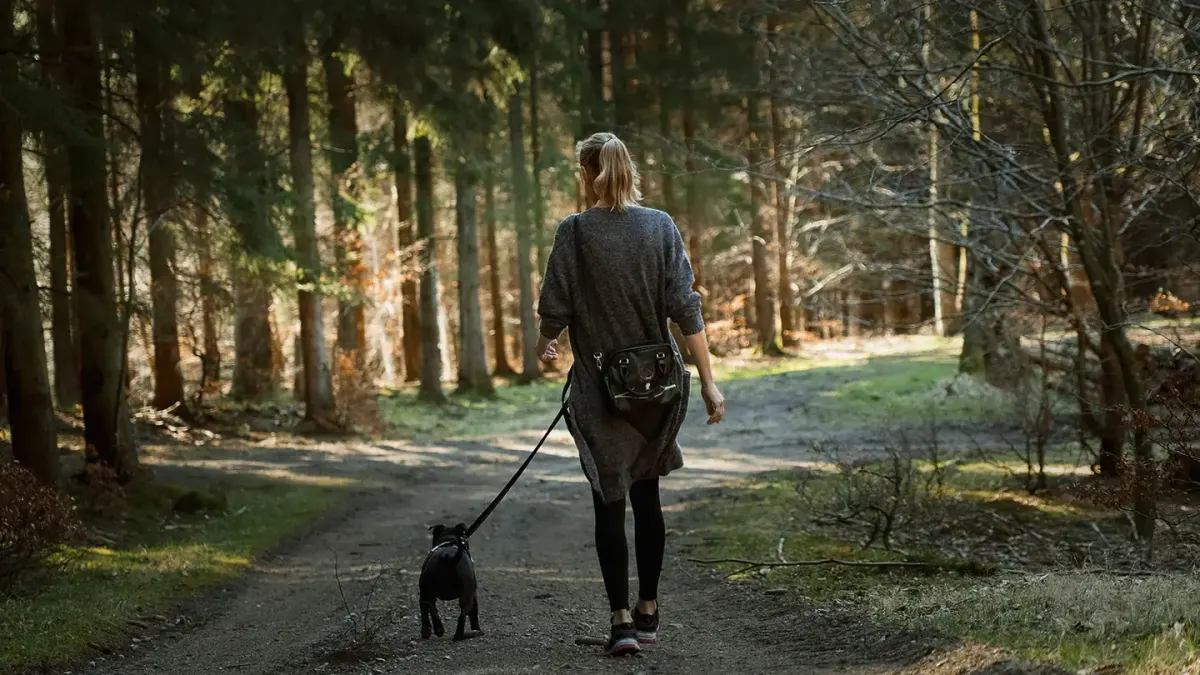
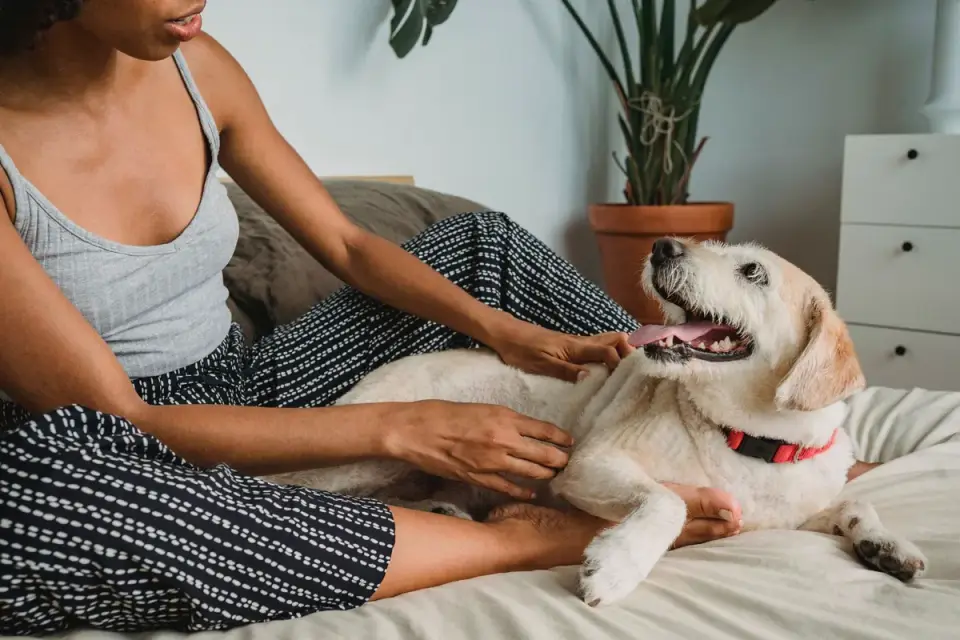
Practically, this means: two or three ten-minute walks instead of one thirty-minute one, a sweater or coat for thin-coated or small dogs, a few minutes of gentle leash movement in the house before heading outside in the cold, and rugs or yoga mats over slick floors so a dog with sore hips isn’t slipping every time she gets up. None of that is exotic. It’s the same low-tech stuff we recommend for any arthritic dog, just applied a little more deliberately once the temperature drops. If your dog’s diet and weight are already dialed in and she’s still slowing down hard every winter, that’s worth a conversation with your vet about joint support specifically — not because winter created the arthritis, but because winter is exposing it.
The edge case that changes the advice
Here’s the one that trips owners up: not every winter slowdown is arthritis, and treating it like arthritis can mask something else. A nine-year-old terrier mix, 24 pounds, came in because her owner assumed the usual winter stiffness — but her decreased activity had started with a 2-pound weight loss over six weeks and a new reluctance to eat breakfast, not just reluctance to walk. That combination isn’t a joint story; it’s a “get bloodwork” story. The lesson isn’t to panic every time a senior dog slows down in December. It’s to notice whether the slowdown is walk-specific and warms-up-with-movement (more consistent with joint discomfort) or whole-body and paired with appetite, weight, or sleep changes (which deserves a vet visit regardless of the season). If you’re also seeing new disorientation or confusion at home, that’s a separate pattern worth reading up on — see our piece on why a senior dog gets disoriented in her own backyard for what that can and can’t mean.
Where I actually land
So: does an old dog’s activity level naturally drop more in winter? Yes, more than a younger dog’s does, and it’s not just in your head or hers. The honest counterargument is that some of this is simply owners walking less in bad weather, and that’s real too — but the veterinary evidence points to a physical component in aging joints that compounds whatever the weather is doing to your own motivation. My position is that the drop is real and mostly manageable: shorter, more frequent movement beats less movement, warm-up beats cold-start, and traction and layering solve more of this than people expect. What it isn’t is a reason to let a senior dog go dormant until spring. If the slowdown seems disconnected from the cold — sudden, paired with appetite or weight change, or not improving once she’s warmed up — that’s the boundary where this article ends and your vet’s exam room begins. If you’re weighing whether a joint-support supplement belongs in the mix at all, it’s worth reading how inconsistent daily dosing affects real-world cost and results and whether a subscription commitment actually fits your dog’s needs before you commit to one.
Frequently asked questions
Should I stop walking my senior dog in winter if she seems stiff?
No — cutting activity too much tends to make stiffness worse, not better. Shorter, more frequent walks with a warm-up beat one long walk or none at all.
Is winter slowdown always arthritis in an older dog?
Not always. If the slowdown is paired with appetite loss, weight change, or new confusion rather than just stiffness that eases with movement, it's worth a vet visit rather than assuming it's just the cold.
Do coats and traction mats actually help?
They help with the practical side — reducing the effort and discomfort of moving on cold, slick surfaces — which can make an older dog more willing to keep up gentle daily movement through winter.