Pterostilbene for Dogs: Benefits and Safety, Explained
A food-first look at pterostilbene for dogs — what the compound actually does, what the evidence supports, and where the safety line sits.
Pterostilbene is a blueberry-derived antioxidant compound owners are increasingly asking about for senior dogs, and the honest answer is that it's promising, under-studied in canines specifically, and worth a careful conversation with your vet before it goes anywhere near the food bowl.
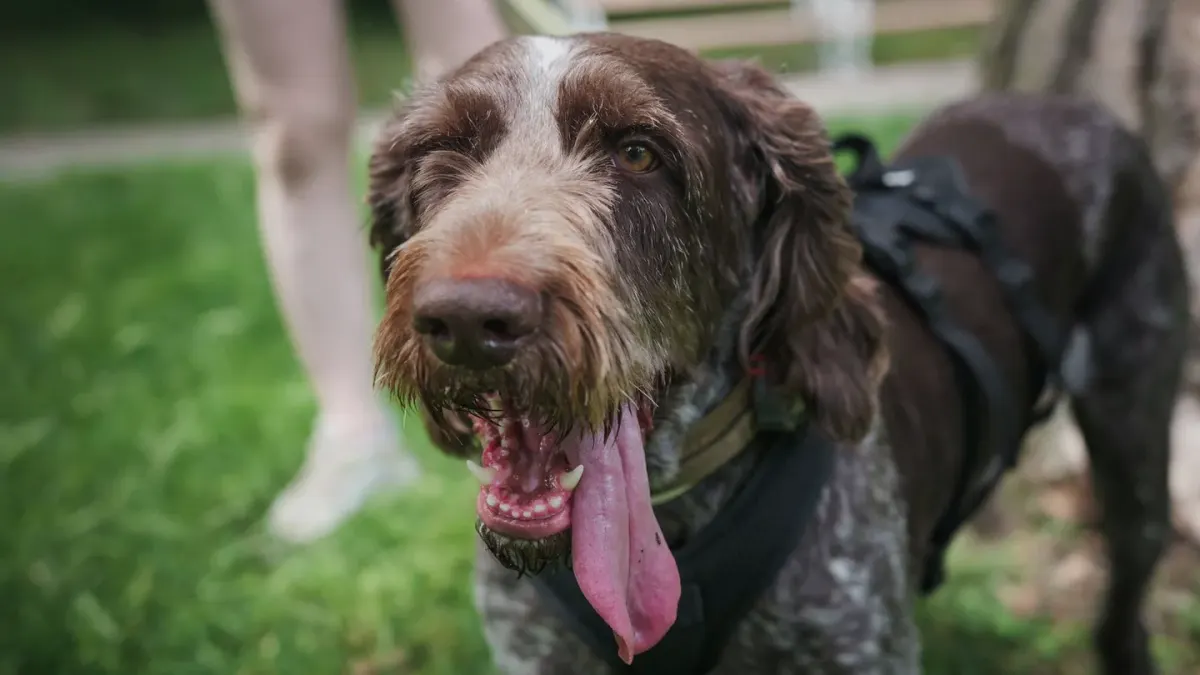
Should you start with a supplement, or with what’s already on your dog’s plate? That’s the question I ask first, before I say a single word about pterostilbene.
I’m a food-first clinician. Structure-and-function reasoning starts with what a dog eats every day, not with what’s newest on a shelf. Pterostilbene is a naturally occurring compound found in blueberries and, in smaller amounts, grapes — a close chemical cousin of resveratrol, with one meaningful difference: it appears to be considerably more bioavailable. A pharmacokinetic study comparing the two compounds in rats found that PMC (National Center for Biotechnology Information): resveratrol and pterostilbene were approximately 20 and 80 percent bioavailable, respectively, which is the main reason pterostilbene keeps showing up in longevity conversations even though it has a shorter research history.
Here’s what that means for your dog, in plain terms: pterostilbene is being studied as an antioxidant that may help support normal cellular function and healthy inflammatory response. It is not a treatment, and it does not reverse aging. If a label or a salesperson tells you otherwise, that’s marketing outrunning the science.
What pterostilbene actually is, and why it’s not resveratrol with a different name
Pterostilbene and resveratrol share a molecular backbone, but pterostilbene carries methoxy groups where resveratrol has hydroxyl groups. That small structural swap increases lipophilicity, which is a fancy way of saying it moves through fat-soluble tissue — and the blood-brain barrier — more efficiently. The same rat pharmacokinetic study found plasma levels of pterostilbene were markedly higher than plasma levels of resveratrol after oral dosing, at equivalent amounts. In dogs, none of this has been formally studied at the level resveratrol has. What we have is a body of general antioxidant research, some of it in vitro, some of it in other species, and reasonable extrapolation — not a canine clinical trial.
I want to be direct about the counterargument here, because it’s a fair one: some integrative colleagues will say resveratrol has more data behind it in animal models, so why introduce pterostilbene at all when the safer bet is the compound we know more about? It’s a reasonable position. I still land on pterostilbene having a place in a food-first antioxidant strategy for two reasons — the bioavailability advantage is real and measured, not theoretical, and the safety signal in non-canine species has been consistently clean across dose ranges. That’s not the same as canine-specific proof. It’s the best available evidence, applied carefully.
A twelve-year-old 58-pound Labrador mix comes in for her annual senior wellness exam. Her owner has been reading about longevity supplements and asks whether she should add pterostilbene on top of the joint chew the dog already takes. The dog is at a healthy weight, eats a complete commercial diet, and gets a 20-minute walk most mornings. Before we talk about any new ingredient, we go through her current label together — because two overlapping antioxidant supplements can mean redundant, and sometimes excessive, dosing without either owner realizing it.
What the underlying antioxidant science actually shows
Quercetin, another flavonoid frequently discussed alongside pterostilbene and resveratrol in longevity formulations, has been studied for antioxidant and immune-related activity — one lab study found that Pharmaceuticals (MDPI): quercetin, unformulated Q, NAC, and ascorbic acid, at the concentrations used, did not affect the feeding behavior of the worms tested, a modest but useful data point on tolerability at the cellular level. Resveratrol research tells a more complicated story depending on dose and timing: one study found that Phytomedicine: embryonic exposure to a 50 μg/ml resveratrol concentration accelerated pupation and adult emergence but shortened adult lifespan in the model organism studied. That’s not a dog study, and it’s not a reason to panic — but it is a reason to take “more is better” off the table for any stilbene compound, pterostilbene included, until dosing is better established for companion animals.
Six months later, a different dog changes how I explain this to owners. A nine-year-old 14-pound terrier mix had been on a pterostilbene-containing joint and cognition chew for about three weeks when her owner called, worried the dog seemed more lethargic than usual, not less. The dog was also on a seizure medication metabolized through liver enzymes. Pterostilbene, like resveratrol, may interact with certain drug-metabolizing enzymes, and in a small dog on an enzyme-sensitive medication, that combination needed a second look before we continued the supplement at all. We paused it, her energy returned to baseline within days, and her medication levels were rechecked. It’s the edge case that changes the advice: the compound itself may be well-tolerated in general, but the dog in front of you, her weight, and her medication list determine whether it belongs in her routine — not the ingredient list alone.
Where I actually land, and what to do with your dog’s food bowl today
If you’re weighing pterostilbene for a healthy adult or senior dog who isn’t on interacting medications, I don’t think it’s an unreasonable addition to a broader antioxidant strategy — as one part of a diet and lifestyle foundation, not a replacement for it. Diet, consistent moderate exercise, and weight management still do more for a senior dog’s long-term function than any single antioxidant compound will. If you’re adding a supplement, do it one ingredient at a time, watch for changes over the first two to three weeks, and loop in your vet, especially if your dog takes any other medication.

For related structure-and-function ingredients you may see on the same label, our green tea extract guide covers catechins and where the dosing line for senior dogs actually sits, and our piece on vitamin B6 and canine brain health walks through a related cognitive-support ingredient with more established evidence behind it. If your dog has started seeming disoriented at home, it’s also worth reading why a senior dog gets disoriented in her own backyard before assuming a supplement is the answer — sometimes it’s vision, hearing, or joint pain doing the work that looks like cognitive decline.
The honest summary: pterostilbene is a legitimately interesting antioxidant compound with better absorption than its more famous cousin resveratrol, a clean general safety profile in the species and doses studied so far, and essentially no dog-specific clinical trials to point to yet. Treat it as a reasonable add-on to a food-first plan, not a shortcut around one.
Frequently asked questions
Is pterostilbene safe for dogs?
General safety data in other species is reassuring at studied doses, but there is no established canine-specific dosing standard yet, and pterostilbene may interact with medications metabolized through certain liver enzymes — check with your vet first, especially for a dog on other medications.
Is pterostilbene better than resveratrol for dogs?
It appears to be absorbed more efficiently — one pharmacokinetic study found pterostilbene roughly four times more bioavailable than resveratrol — but "more bioavailable" isn't the same as "more proven" in dogs specifically, since canine trials for either compound are limited.
Sources
- Pharmacokinetics, oral bioavailability, and metabolic profile of resveratrol and its dimethylether analog, pterostilbene, in rats — PMC (National Center for Biotechnology Information)
- Quercetin feeding behavior study — Pharmaceuticals (MDPI)
- Embryonic resveratrol exposure study — Phytomedicine