How to Stop Puppy Biting and Mouthing
A vet's practical criteria for reading bite pressure, managing arousal, and building a softer mouth in young dogs — what actually changes the behavior and what to expect week by week.
Stopping puppy biting reliably means reading arousal levels before the teeth come out, not punishing bites after.
On this page
A Labrador puppy named Otis, ten weeks old and barely fourteen pounds, was the reason I started asking new owners a different first question. His owners weren’t calling about aggression — they were calling because their hands looked like they’d lost a fight with a cat, and their eight-year-old wouldn’t play with him anymore. Otis wasn’t a difficult puppy. He was a normal one, doing normal puppy things, at a level his family had no framework for managing.
That’s the case I want you to picture, because it’s the one I see on repeat: a puppy between eight weeks and six months, biting hardest right after naps, right before meals, and any time the kids start running around the yard. The mouth is loud, but the real signal underneath it is arousal — and arousal is a criteria you can actually read and manage, long before “no biting” becomes the goal.
Start With What the Bite Pressure Is Telling You
Before you touch training methods, sort what you’re seeing into one of three buckets: soft, exploratory mouthing during calm handling; harder nipping during play, especially chase and tug; and sudden bursts of biting after overtiredness or overstimulation. Each bucket calls for a different response, and lumping them together is the single biggest reason owners feel like nothing is working.
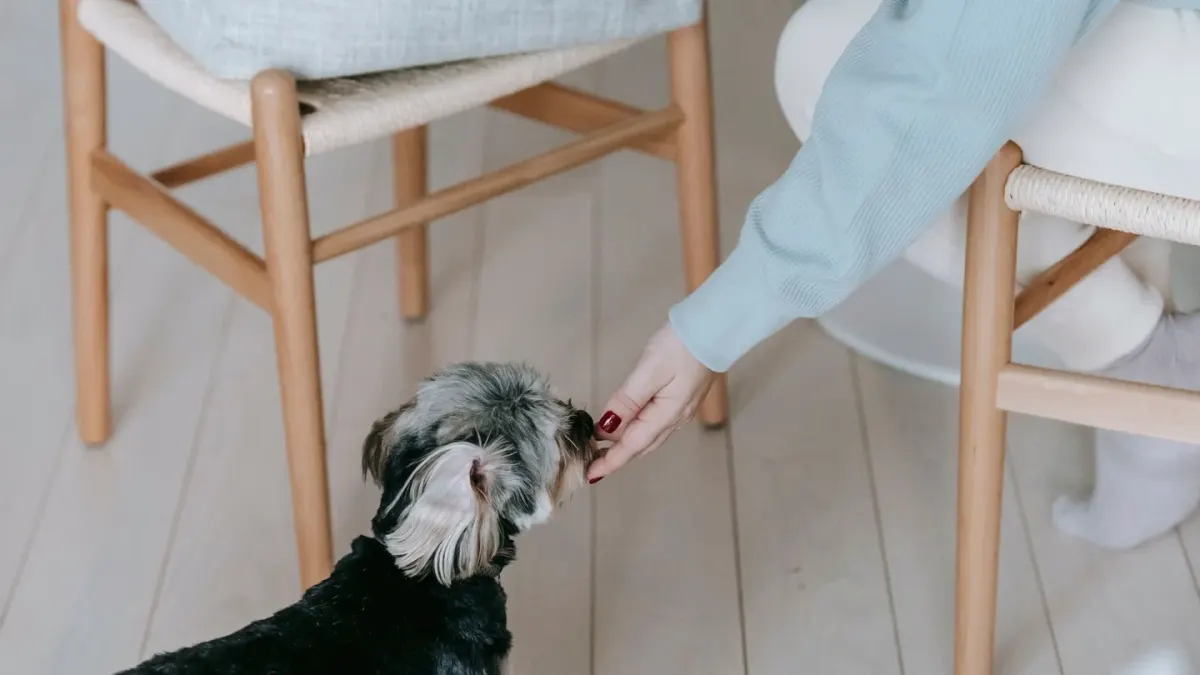
Soft mouthing during petting or handling is mostly information-gathering — puppies explore textures and hands the way toddlers explore with their mouths. Redirect it calmly to a chew toy and keep handling sessions short and predictable; you’re not correcting a behavior problem here, you’re building tolerance for touch. Harder nipping during play is arousal spilling over, and it responds to stopping the game the instant teeth land on skin, then resuming once the puppy is calm — not to scolding. Overtired biting is different again: it means the session should have ended ten minutes earlier, and the fix is a nap, not a training rep.
Manage Arousal Before You Try to Manage Teeth

Owners want a training technique. What most puppies actually need first is a schedule that doesn’t run them into overarousal three times a day. That means capping high-energy play sessions before the puppy escalates, building in a structured nap after exercise, and noticing the specific windows — usually late afternoon and right before bed — when a normally tolerable puppy turns into a land shark. This is the piece I emphasize most with new clients, because it’s the one that’s genuinely within their control today, not in six weeks.
For dogs who run hot regardless of schedule — the ones who seem to escalate faster than their littermates, or who struggle to settle even after a long walk — some owners look to calming support alongside management, not instead of it. The evidence here is real but modest, and it belongs in the “may help support” category rather than the “fixes the behavior” category. Chamomile has a long history in traditional herbal care, though for most species, including dogs, the evidence is derived mainly from preclinical studies or traditional use, according to a review in Biomedicines. Ashwagandha has somewhat firmer human data behind it: a systematic review published in Cureus analyzed multiple randomized trials and concluded that ashwagandha has a moderate positive impact on stress reduction and cognitive performance. L-theanine’s human evidence is narrower still — a review in Molecular Psychiatry found a meaningful effect in one study on psychotic anxiety, using 400 mg per day for eight weeks, but that dose and population don’t translate directly to a dog. None of this substitutes for managing the schedule; think of it as a possible assist for an already-tired, already-well-exercised puppy, not a shortcut around one who’s simply overstimulated.
Teach a Softer Mouth Before You Expect No Mouth at All
This is where I tell clients the honest timeline, because it’s the piece that keeps people from giving up around week three. A young puppy’s jaw isn’t strong enough to do real damage, which is exactly why this window — roughly eight weeks to six months — is the best time to teach bite inhibition: a yelp or a calm “ouch,” a brief pause in play, then resuming. You are not teaching “never touch teeth to skin” yet. You’re teaching “soft mouth, or the fun stops.” Full mouth control tends to develop over months, not days, and it tracks with the same maturation that brings better impulse control generally.
I worked with a nine-month-old Australian Shepherd, Maddie, whose owners had done everything textbook-correct from week ten — consistent redirection, structured naps, short play sessions — and still called me frustrated in month four because the nipping hadn’t fully stopped. What had changed, when we walked through it together, was real: the bite pressure had dropped from “leaves a mark” to “startles but doesn’t hurt,” and the frequency had dropped from constant to occasional, mostly tied to specific triggers like the vacuum and the mail carrier. That’s what progress actually looks like at that stage — not zero mouthing, but a softer mouth and a shorter list of triggers. Her family didn’t need a new method at four months in. They needed to know that timeline was normal.
What This Looks Like Week to Week
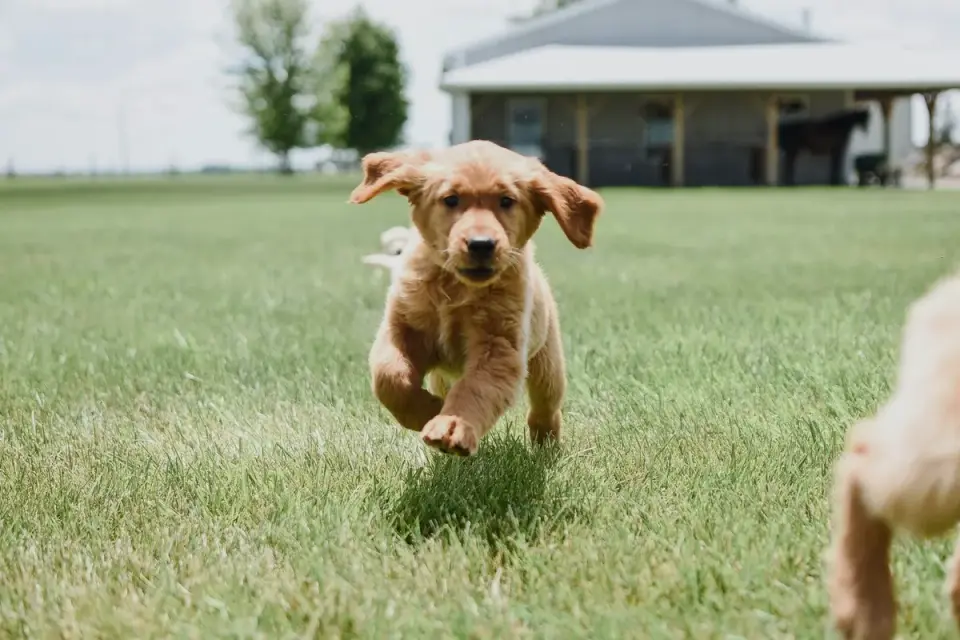
By eight to twelve weeks, expect frequent mouthing with variable pressure — this is baseline, not a red flag. By four months, hard nipping should be less frequent and shorter in duration if you’ve been consistently stopping play at the first hard bite. By six months, most puppies are mouthing rarely and mostly during high-arousal play like tug, with a mouth that’s noticeably softer than it was at ten weeks. If pressure is climbing instead of falling by four to five months, or if biting is paired with stiff body language, growling, or resource guarding, that’s a criteria for bringing in a trainer or your veterinarian rather than waiting it out — that pattern is different from developmental mouthing and deserves an in-person look.
For the broader picture of how diet, exercise, and daily structure feed into a calmer, healthier puppy overall, our Whole-Dog Wellness starting guide is a good next stop.
The Bottom Line
I still think about Otis’s family, mostly because the fix wasn’t complicated once we named the actual problem. We shortened his play sessions, added a firm nap after the school run, and started stopping games the instant his teeth touched skin instead of after the fact. Within a few weeks the bite pressure had softened noticeably, and by five months the land-shark stretches were rare and mostly predictable. Expect the same shape of progress here: gradual, uneven some weeks, but real if you’re consistent with the schedule and the response to hard bites. Build the routine first, keep your expectations tied to the puppy’s age rather than the calendar month you’d like this solved by, and let any calming support be a minor assist to that plan rather than the plan itself.
Frequently asked questions
At what age do puppies stop biting?
Most puppies show a real decline in hard biting between four and six months, as bite inhibition develops, though occasional mouthing during high-arousal play can continue longer if it isn't consistently addressed.
Should I yelp when my puppy bites too hard?
A brief, calm "ouch" followed by a short pause in play can help a puppy connect hard pressure with the fun stopping — the key is consistency, not volume.
Is puppy biting a sign of aggression?
Almost never at this age. It's typically exploration, teething, or overarousal; true aggression usually comes with stiff body language, growling, or guarding, which is a different pattern worth a professional evaluation.
Sources
- Chamomile evidence in animal species — Biomedicines
- Systematic review of ashwagandha and stress — Cureus
- L-theanine and anxiety, review of human trials — Molecular Psychiatry