Is It Normal for an Older Dog to Lose Some Sense of Smell?
Why senior dogs sniff less, how to tell normal aging from illness, and practical feeding and walk tweaks that help.
That untouched dinner bowl is often how owners first notice an old dog's nose is not working like it used to.
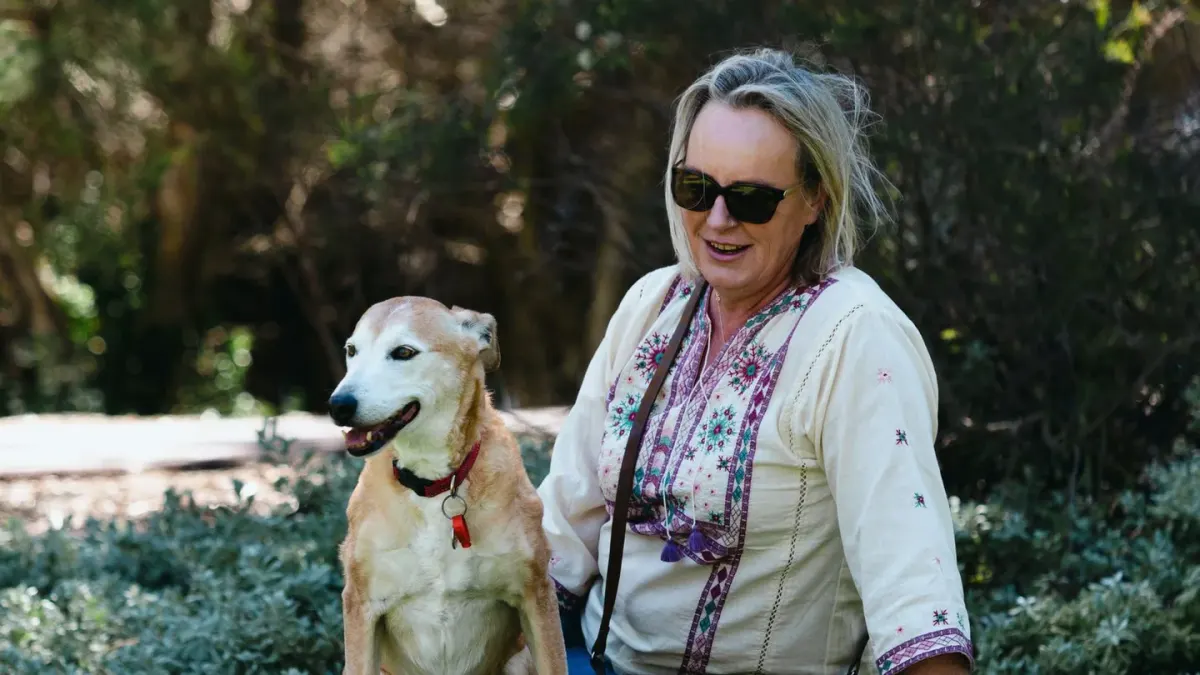
A gray-muzzled 13-year-old Beagle mix started walking past the kitchen without lifting her head. Her owner counted four dinners in a row left half-eaten, though the same dog still trotted to the door for her evening loop around the block. She would stand over the bowl, sniff once, then look up as if the message had not arrived. Bloodwork at her last senior visit had been steady. The question was simple and worried. Was this fading nose just age, or was something else starting.
Yes, some dulling of smell with age is common in dogs. Research on human aging from the National Institute on Aging describes how odor perception often fades with age, and veterinary clinicians see a parallel pattern in seniors that eat less eagerly and track scents less sharply. That does not mean every change is harmless.
What a fading nose looks like day to day
Watch for pattern, not one moment. A senior who smells less will hesitate over food, need a closer sniff to find a dropped treat, or lose interest on a familiar sniff walk. Scent games get shorter. New odors get less of a reaction.
Start with food aroma first. Warm the meal with a splash of hot water and serve it warm, not hot. Feed on a schedule in a quiet corner. Rinse plastic bowls that hold odor. Keep weight steady and note appetite in a notebook.
Keep the nose working gently. Take a shorter route with more sniff stops. Let the dog choose the direction for two minutes. Plant a few easy treat finds in grass at home.
Support comes from the plant world outward. Rosemary leaf, a familiar kitchen herb in western tradition and a warming aromatic in Chinese herbal thinking, contains volatile oils that give food a brighter scent. A tiny pinch of finely chopped fresh rosemary folded into a warm, balanced meal may help support mealtime interest and everyday engagement through aroma alone. This does not repair olfactory nerves. It makes the signal that remains easier to notice. I work largely with botanicals and whole-patient patterns, not neurology, so I treat persistent nasal signs as a prompt for a full veterinary exam.
When warming the bowl backfired
A stocky 42-pound mixed-breed dog, nine years old and usually food-driven, began missing treats tossed onto the kitchen rug. His owner tried to help by making meals stronger. He added garlic powder one night, then hot broth with onion skins the next, then a heavily spiced leftover stew across three nights of trial and error. The dog ate less, drooled once, and left the room.
That tradeoff matters. Strong human seasonings can irritate a dog’s nose and stomach, and onion and garlic can harm red blood cells. More odor is not better odor. Plain warmth, moisture, and a short rest so the aroma blooms work better than spice.
Mild loss builds over months. Sudden change does not.
When a quiet nose needs a vet visit now
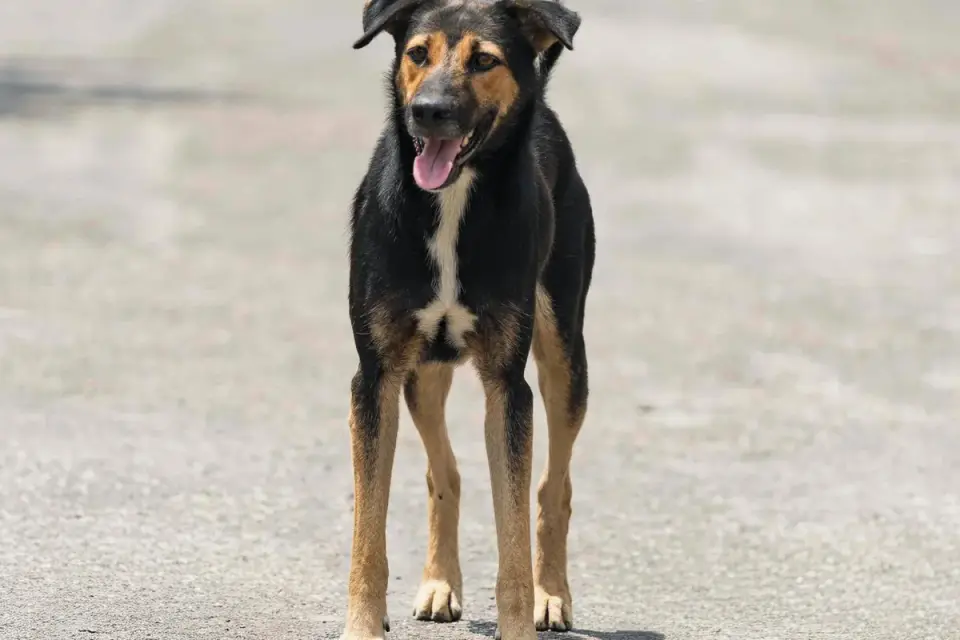
A lean ten-year-old herding dog who always found every crumb suddenly could not find food by scent at all on a Tuesday morning. By Thursday, about 48 hours later, she had a thick yellow discharge from one nostril and pawed at her face after naps. Her owner had planned to wait and try scent games. She called the clinic instead.
That bend in the usual advice is the most important part. One-sided discharge, sneezing blood, loud mouth-breathing, face swelling, sudden total loss, or loss paired with confusion and pacing deserve prompt care. Nasal infection, polyps, dental disease, and cognitive change described in the Merck Veterinary Manual can all alter how a senior dog responds to smell and food. For more on that last piece, read Why a Senior Dog Gets Disoriented in Her Own Backyard.
Keep meals safe while you wait for advice. Offer soft, warm, easy-to-chew food in small portions. Check that How Feeding Amounts Change With Age still fits the current weight. Do not use essential oils, menthol rubs, or nasal sprays unless your veterinarian directs them.
Trust the slow fade, but verify the fast one. A gradual need for closer sniffs fits aging. A blocked, painful, or one-sided nose does not.
Call your veterinarian this week if appetite drops, walks lose all sniffing joy, or you notice discharge or bleeding. Bring your feeding notes and a short video of mealtime. That record helps the exam move faster.
Sources
- Smell and Taste and Aging — National Institute on Aging