Why Does My Dog Eat Rocks and Other Non-Food Objects?
A vet explains pica in dogs — medical causes, boredom and anxiety, what is urgent, and practical steps to stop rock eating safely.
If your dog eats rocks and other non-food objects, start with safety first, then work backward to the why.
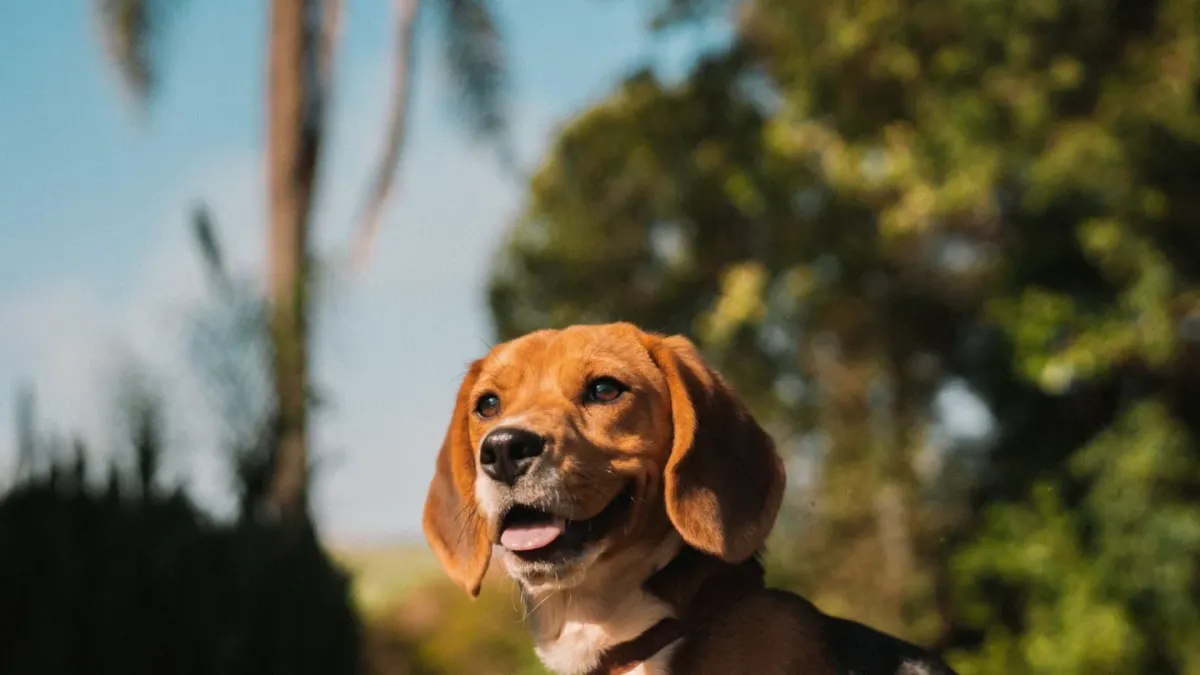
It was a Saturday trail walk when the owner saw it happen again — her 3-year-old, 48-pound Labrador mix dove for a mouthful of gravel, crunched, swallowed, then looked up wagging like nothing had happened. She had tried “leave it,” she had tried swapping in treats, she had tried laughing it off as a puppy habit he would outgrow. By week three of finding small stones in his stool, she was no longer laughing. She wanted to know why does my dog eat rocks and other non-food objects, and whether she was missing a diet problem, a behavior problem, or a medical emergency in the making.
I counsel owners to expect this first: rock eating is pica, the persistent eating of non-food objects, and it is rarely about one simple deficiency. In a healthy adult dog it is most often exploratory behavior, boredom, or anxiety that has become a reinforced habit, but we still have to rule out nausea, intestinal disease, anemia, and prior nutritional gaps before we call it “just behavior.” That order matters, because training will not fix a dog who feels sick.
What is actually driving the rock eating?
Think in layers, not single causes. Puppies mouth the world. Adolescents chew from boredom. Anxious dogs chew to self-soothe. And some medical issues raise appetite for strange things or make swallowing odd items more likely.
Diet comes first in my exam room. I ask about baseline food, amount, body condition, stool quality, vomiting, and whether the dog is on a complete and balanced diet for life stage. If meals are inconsistent, underfed, or an unbalanced home-prepared diet, fix that baseline before you assume anything else. Evidence for single-nutrient causes of pica in otherwise well-fed dogs is thin, and I do not want you chasing powders while a gastrointestinal problem goes unchecked.
Behavior is next. Does he target rocks only on walks, only in the yard when alone, or everywhere? Walk-only scavenging often means opportunity plus reinforcement. Yard-only destruction points to boredom and under-exercise. All-day, anxious gulping of multiple objects raises my concern for chronic stress or compulsive behavior.
Could stress be part of why rocks feel rewarding?
Some dogs learn that picking up an object brings attention — even chasing feels like a game. Others chew when aroused, conflicted, or unable to settle. Calming herbs are often discussed here, and I want to be plain about where the evidence is thin.
For the remaining species, evidence is derived mainly from preclinical studies or traditional use, as summarized in a broad MDPI review of chamomile. A systematic review analyzed multiple RCTs and concluded that ashwagandha has a moderate positive impact on stress reduction and cognitive performance, reported in Cureus. And for L-theanine, the signal is narrow — except for one study on psychotic anxiety (SMD = 0.54; 400 mg/day for 8 weeks), noted in Molecular Psychiatry. Those are human and preclinical data, not proof that a chew will stop rock eating in your dog.
My position is direct: I prioritize management, exercise, and training over calming supplements for pica. The strongest counterargument I hear is “but he is calmer on it, so it must be working,” and calmer evenings do matter. My answer is still the same — calm may help support training, it does not teach a different choice around rocks.
When is this an emergency and what should you do today?
A single smooth pebble that passes is different from repeated gulping, large stones, or any sign of blockage.
Call your veterinarian promptly or seek emergency care if you see repeated vomiting, retching without bringing anything up, loss of appetite, belly pain or bloating, lethargy, constipation or straining, bloody stool, or a known ingestion of large or sharp objects. That triage decision is concrete, and I explain the red flags in more detail in When Is a Dog Eating Non-Food Objects a Medical Emergency? at /articles/pica-medical-emergency/.
Do-this-today management helps more than any lecture.
- Walk on a short leash and scan ahead. Reward a quick “leave it” and redirect to a carry toy.
- Use a basket muzzle for high-risk dogs while you train, conditioned with treats so it stays low-stress.
- Clear the yard of rocks, mulch, socks, and toys that break into pieces. Replace with safe chew options under supervision.
- Add 20–30 minutes of sniffing, fetching, or training to the day. A tired mouth is less busy.
- Do not chase, pry the mouth open, or punish after the fact. Trade for a high-value treat instead.
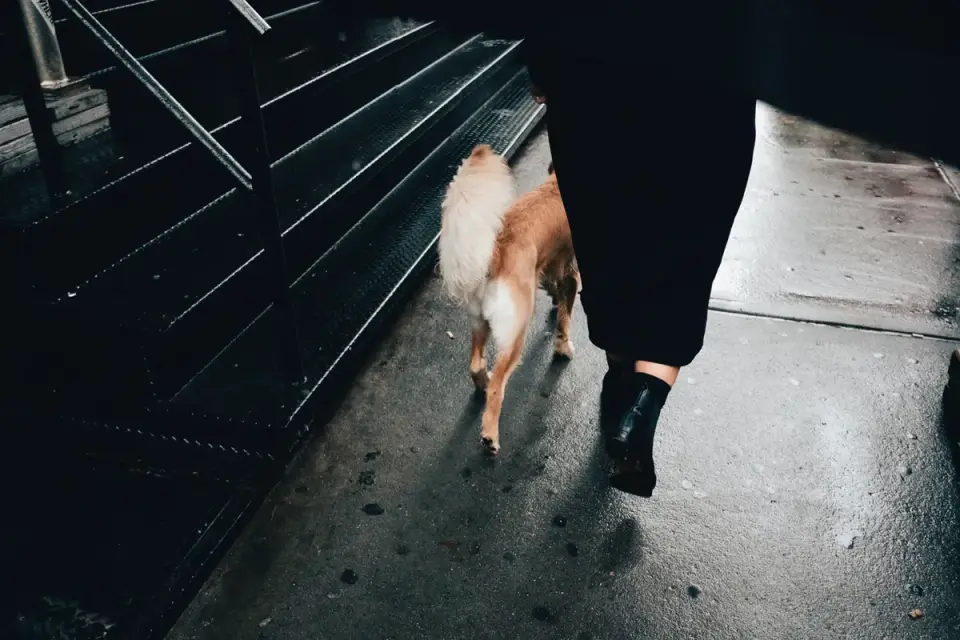
He was a 1-year-old, 62-pound hound mix who only ate landscaping stones between 4 p.m. and 6 p.m. while his owners finished work calls. Mornings were perfect — long walk, breakfast from a puzzle feeder, nap. Afternoons unraveled by day 10 of their new schedule: pacing, digging at the edging, then crunching. The owners had tried more scolding and a bitter spray, and both failed because the dog was understimulated, not defiant. Once they moved a 25-minute sniff walk to 3 p.m. and gave a frozen stuffed Kong on a tethered mat, the yard patrol dropped sharply within three weeks in their log. The tradeoff was real — it cost them time every weekday — but management matched the pattern.
Prevention beats correction. Teach “drop” and “leave it” separately from real rock encounters, pay generously early, and practice with boring decoys before you need it on a trail. Keep a log for two weeks: date, place, object, what happened just before, and what worked. Patterns show up fast.
What if it is not just rocks?
Dogs who eat rocks often generalize to socks, wood, plastic, or stool. If your dog also targets feces, read Why Does My Dog Eat His Own Poop? A Vet’s Honest Breakdown at /articles/eating-own-poop/ before you assume one fix covers both. Coprophagia has its own medical and management angles.
Anxiety can link these habits. Dogs who startle at ordinary things, guard resources, or struggle with novelty may scavenge more when stressed. For context on startle behavior, see Fear of Hats, Umbrellas, and Novel Objects: Why Dogs Startle at Ordinary Things at /articles/fear-of-hats-umbrellas-and-novel-objects/, and for arousal around other dogs, see Why Does My Dog Hump Other Dogs at the Park? at /articles/humping-other-dogs-at-park/.
She was a 5-year-old, 34-pound terrier mix with a long history of separation distress who had never touched rocks indoors. After a move, she began gulping small pebbles on the apartment path only on morning walks, always within six minutes of leaving the lobby. Bloodwork and stool check were normal, diet was complete, and afternoons were fine. The edge case was location-specific anxiety, not hunger — elevator noise, traffic, and a tighter leash had poisoned the first block. When the owner crossed the street early, kept the leash loose, and fed a steady stream of tiny treats for the first 200 yards for two weeks, the morning gulping faded. Supplements were never the lever; changing that first stressful stretch was.
I expect progress in weeks, not days.
Ask your veterinarian about a physical exam, fecal check, and bloodwork if pica is new, intense, or paired with weight loss, vomiting, diarrhea, or appetite change. Bring your two-week log, diet label, and a list of access points. If anxiety, compulsion, or resource guarding is involved, ask for a referral to a certified behavior professional who uses low-stress handling.
You can change this habit. Start with safety, feed a solid baseline, manage the environment, and train an incompatible behavior. That is the whole-dog order that holds up.
For related context, read When Is a Dog Eating Non-Food Objects a Medical Emergency?.
For related context, read Why Does My Dog Eat His Own Poop? A Vet’s Honest Breakdown.
Frequently asked questions
Why does my dog eat rocks on walks but not at home?
Walk-only rock eating is often opportunity plus reinforcement — novel smells, loose gravel, and chase games reward grabbing. Tighten management with a short leash and trade games, then train leave-it away from real rocks first.
Could a vitamin deficiency cause rock eating?
It is possible but uncommon in dogs fed a complete and balanced diet. Rule out medical causes, review diet amount and completeness with your veterinarian, and do not supplement blindly without an exam.
Should I make my dog vomit after swallowing a rock?
No, do not induce vomiting unless your veterinarian directs it — some objects can cause more harm coming up. Call your clinic with the size, number, timing, and any symptoms.
Sources
- Herbal Medicine and Anxiety: A Broad Review — MDPI
- Ashwagandha and Stress: Systematic Review of RCTs — Cureus
- L-Theanine and Anxiety Outcomes Across Trials — Molecular Psychiatry