Signs of True Aggression and When to Get Professional Help
A veterinarian explains the body-language sequence that precedes real aggression in dogs, what separates fear-driven displays from true aggression, and when to call in a certified behaviorist.
A single growl in the exam room tells me less than the six seconds of stiffening most owners walk right past on the way there.
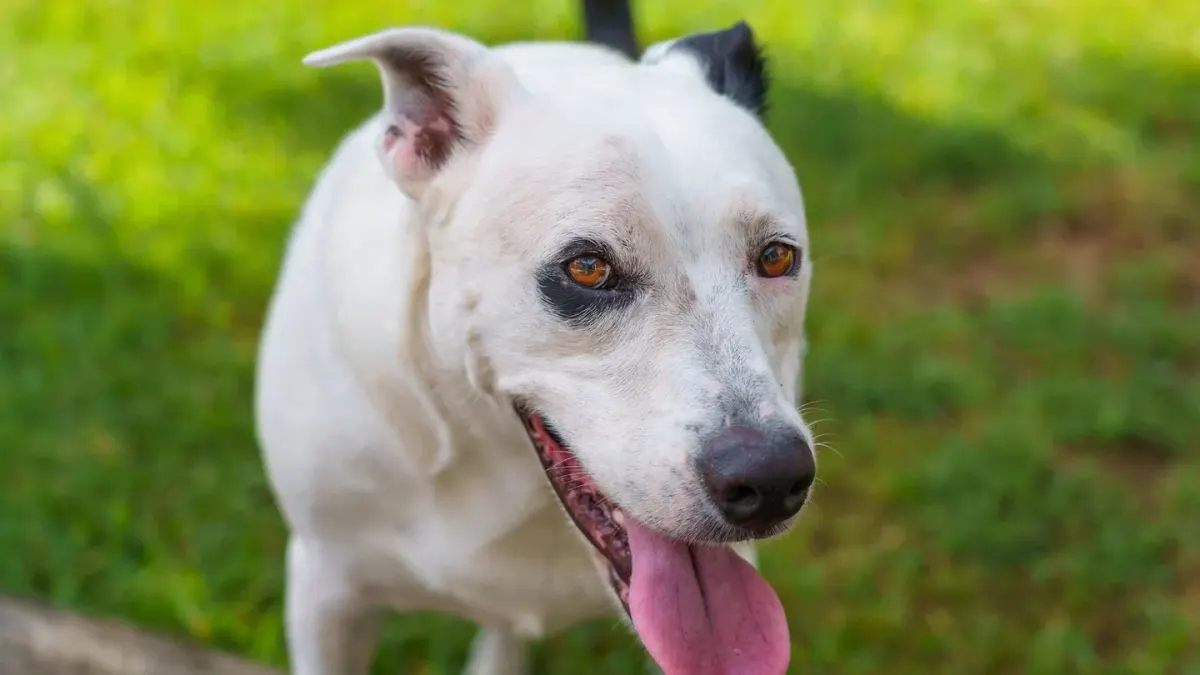
On this page
A dog does not go from calm to biting in one step. In my exam rooms, the moment owners remember is almost always the last one in a sequence — the growl, the snap, the lunge on leash — because that is the moment loud enough to notice. The earlier moments, the ones that actually predict what is coming, are quiet: a closed mouth, a still tail, a slow blink held a beat too long.
What true aggression looks like, step by step
Dogs escalate through a fairly consistent ladder when they feel threatened: freezing, turning the head away, lip licking, yawning out of context, a stiff low tail, whale eye (the whites showing at the corner), a hard stare, then growling, snapping, and finally a bite. Not every dog climbs every rung, and a dog who has been punished for growling in the past may skip straight to a bite because the warning stage got trained out of him. That is one of the most important things I tell owners: a dog who “bites without warning” usually did warn — the warning was just punished into silence.
I’m cautious about the word “aggression” itself, because it lumps together very different problems. Fear-based aggression, resource guarding, redirected aggression, pain-related aggression, and territorial aggression all look similar in the moment but need different management. A twelve-year-old Labrador who suddenly snaps when a grandchild leans on his hips is very likely telling you something hurts, not that his temperament changed overnight.
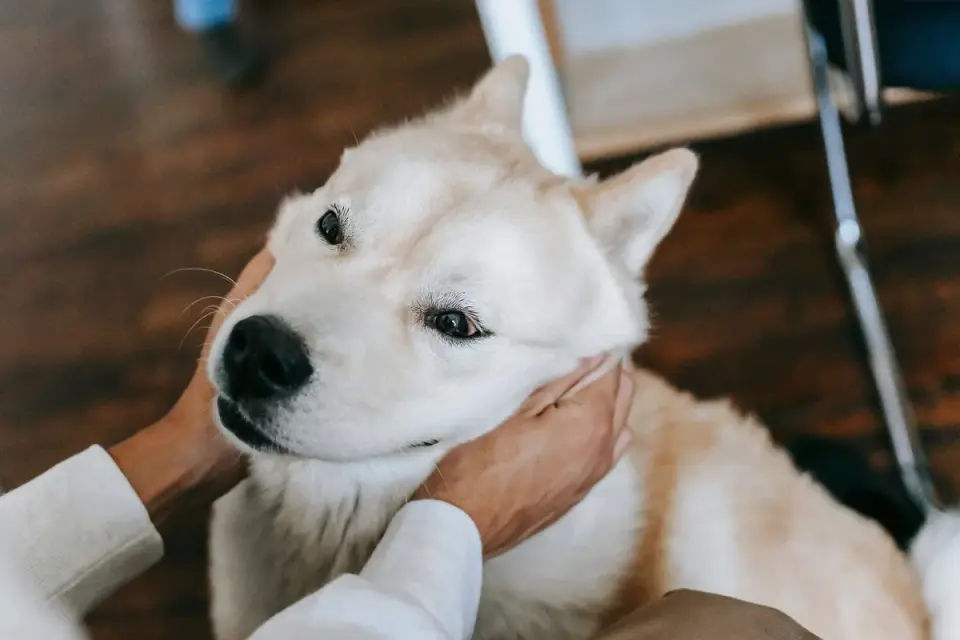
A case I still think about
One of the dogs I worked with was a 34-pound mixed-breed named Otis, about four years old, who had never so much as growled at his owners until the week their daughter started a new after-school routine that had her arriving through the side gate around 4 p.m. The first incident happened on a Tuesday in the kitchen — Otis stiffened over his water bowl, then snapped at the girl’s sleeve when she reached past him to grab a snack. The owners were weighing whether this was “just resource guarding around food” or something that meant Otis could no longer be trusted with kids in the house. What actually mattered was the timeline: the stiffening had started two weeks earlier, at the same time of day, and had nothing to do with food at all — it was the gate latch. Otis wasn’t guarding the water bowl; he was startled by a sound he’d learned to associate with an unpredictable entry into his space, and the bowl was simply where he happened to be standing. Separating the trigger from the location changed the whole management plan.
Fear versus true aggression
The distinction I lean on hardest with clients is this: most of what looks like aggression is a fear response with nowhere left to run, not a dog who wants to fight. True aggression — a dog who seeks out conflict, escalates without an exit offered, and shows no de-escalation cues even when the perceived threat backs off — is much less common and much more often needs a veterinary behaviorist, not a trainer alone. Fear-based reactivity, by contrast, usually responds to distance, predictability, and a structured desensitization plan, and it is where most of the dogs I see actually fall.
Chronic, low-grade stress can also lower a dog’s threshold for reacting, the same way a person who hasn’t slept well snaps faster at small annoyances. This is where the diet-and-lifestyle levers matter before any supplement conversation: consistent exercise, predictable routines, and enough mental enrichment to prevent boredom-driven frustration. Some owners also ask about calming ingredients as one small piece of a broader plan — never a replacement for it. Chamomile has a long history in traditional herbal care for supporting relaxation, though for most species the evidence base is still preclinical or drawn from traditional use rather than large controlled trials, as a review in Biomedicines notes. Ashwagandha has more clinical weight behind it in general stress research; a systematic review in Cureus concluded it has a moderate positive impact on stress reduction and cognitive performance. L-theanine’s human evidence is narrower than owners often assume — a review in Molecular Psychiatry found a meaningful effect mainly in one study on psychotic anxiety, at 400 mg per day for eight weeks, and cautioned that the broader evidence is thinner than the ingredient’s popularity suggests.
I keep it preventive with clients: structure/function language, not promises, and a realistic timeline. A calming ingredient may help take the edge off a dog’s baseline arousal over several weeks; it will not undo a fear history or replace a desensitization protocol.
When to stop managing it yourself
Get professional help — a veterinary behaviorist or a certified applied animal behaviorist, not a general obedience trainer — if any of the following are true: the dog has broken skin, the aggression is directed at family members inside the home, the triggers are unpredictable or expanding, there’s any sudden-onset aggression in an older dog (rule out pain first), or you’ve noticed yourself managing around the dog rather than addressing the behavior. A veterinary exam should always come before or alongside a behavior consult, because pain, thyroid dysfunction, and neurological changes can all present as new aggression.

Near the end of most of these conversations
I remember a follow-up call with Otis’s family about six weeks after we changed the gate routine and added short, structured counterconditioning sessions around the sound of the latch. The mother told me she’d stopped bracing every afternoon at 4 p.m., which was, to her, the real marker of progress — more than any single training milestone. That’s usually how it goes: the measurable change owners notice first isn’t the dog’s behavior, it’s their own shoulders dropping. It doesn’t mean the work is finished, but it’s the signal that the plan is working.
If you’re building out a broader wellness routine around a dog with any behavior sensitivity, start with the basics covered in Whole-Dog Wellness: A Practical Starting Guide — diet, exercise, and sleep genuinely do move the needle on a dog’s baseline stress tolerance before any targeted intervention.
If your dog is showing early warning signs — stiffening, whale eye, a stillness that feels different from normal calm — the next step today is simple: write down exactly when and where it happens for a week, then bring that log to your veterinarian. Patterns are diagnostic; a single incident rarely is.
Frequently asked questions
Can a dog show aggression without ever growling first?
It happens, but usually only in dogs who were punished for growling in the past. Growling is a warning signal, and suppressing it doesn't remove the underlying fear or frustration — it just removes the dog's ability to tell you before he acts on it.
Is sudden aggression in a senior dog usually behavioral?
Not as often as owners assume. New aggression in an older dog — especially around touch, handling, or getting up — deserves a veterinary exam first to rule out pain, thyroid changes, or cognitive decline before assuming it's purely behavioral.
Sources
- Chamomile and Related Botanicals for Anxiety and Stress: A Review — Biomedicines
- KSM-66 Ashwagandha and Stress: A Systematic Review — Cureus
- L-Theanine and Anxiety: A Review of Clinical Evidence — Molecular Psychiatry