Why a Dog Gets Diarrhea When the Weather Changes
A vet explains the real mechanism behind weather-triggered dog diarrhea — barometric stress, routine shifts, and what actually helps versus what just sounds helpful.
Weather itself rarely causes diarrhea directly — it's usually the stress, activity swings, and diet changes that ride in with it.
On this page
The first cold front of the season rolls in, and by the next morning half the dogs on my schedule have soft stool. Owners always ask the same thing: did the weather do this? The honest answer is more specific than “yes” or “no,” and it matters for what you actually do about it.
The barometric pressure question, and why it’s the wrong first question
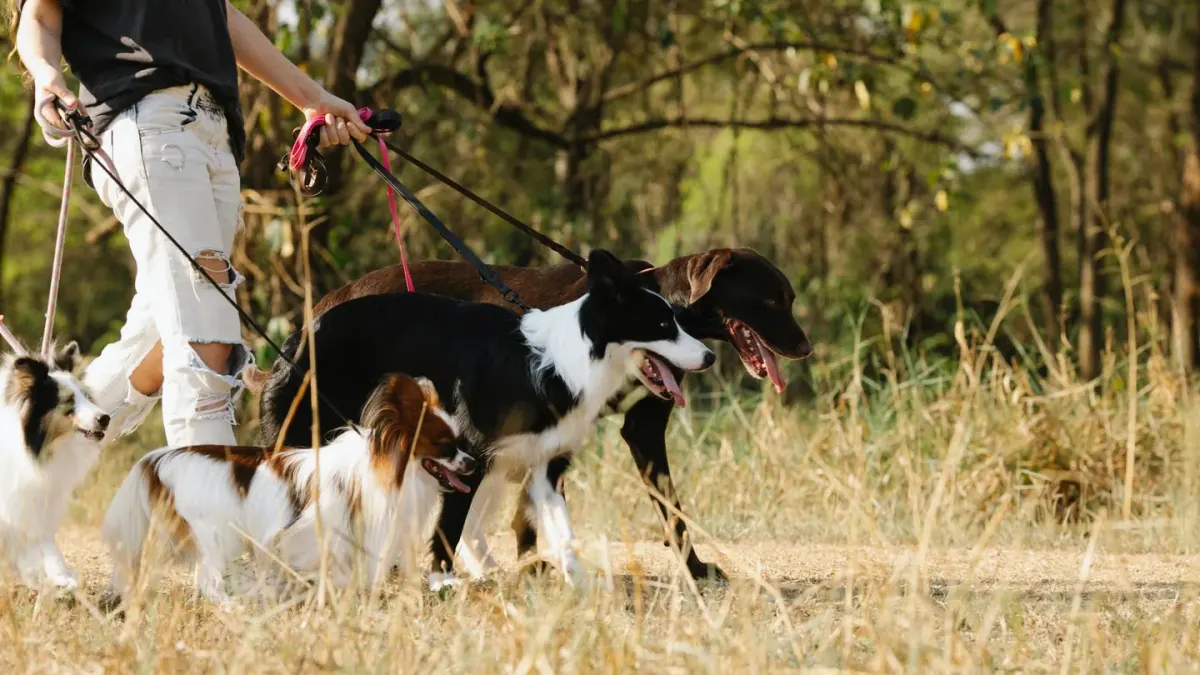
Dogs don’t have a digestive system that reads a barometer. What changes with weather is everything around the dog — walk length, time outside, water intake, and often diet. A rainstorm cancels the usual 40-minute walk. A cold snap means the dog eats more to keep warm, or gets an extra treat because the owner feels bad about the shorter outing. Gut motility and the resident microbial community respond to those downstream shifts, not to falling pressure directly. That distinction matters because it changes where you intervene — not by trying to control the weather, but by holding the dog’s routine steadier through it.
Consider a 4-year-old Labrador who normally gets an hour of fetch every evening. Three days into a stretch of thunderstorms, her owner calls: loose stool, no vomiting, appetite intact, 62 pounds and otherwise acting normal. Nothing in her diet changed. What did change was 45 fewer minutes of exercise per day and a switch from the yard to indoor pacing. That’s not a coincidence — reduced activity slows transit in some dogs and speeds it in others, and stress hormones released by the disrupted routine can do the same. By day four, once the walks resumed on a dry afternoon, her stool was back to normal without any intervention beyond patience.
Where diet fits before you reach for anything else
Diet is the lever I ask owners to check first, because it’s the one most often changed without anyone noticing. Cold weather means more treats. Travel for a holiday means a different bag of food at grandma’s house. A sudden switch in fiber or fat content is a far more common diarrhea trigger than the temperature outside. If the stool has been loose for more than 48 hours, or there’s blood, lethargy, or vomiting alongside it, that’s a vet visit, not a wait-and-see. For garden-variety, weather-adjacent looseness in an otherwise bright, eating, drinking dog, a short return to a bland, consistent diet and steady mealtimes usually settles things within a few days.
Fiber does real work here, regardless of brand. Pumpkin fiber, specifically, is a gentle, natural source of both soluble and insoluble fiber that can help firm loose stool and ease mild constipation, depending on which the gut needs at the moment. That’s a structure/function description, not a cure claim — it’s a supportive tool, not a fix for a dog with a genuine GI illness.
What actually shifts the gut microbiome — and what doesn’t
A balanced gut microbiome supports overall immune function, and stress — including the kind a dog experiences from a disrupted walk schedule or being cooped up during a storm — can measurably shift that balance. This is where owners often reach for a probiotic, and it’s a reasonable instinct, but the evidence is more nuanced than the marketing suggests. A trial published in Frontiers in Veterinary Science found that diversity metrics did not distinguish non-responders from responders in dogs, meaning a more “diverse” probiotic blend on the label doesn’t reliably predict which dogs will actually improve. If you’re weighing a probiotic against something like Pepto-Bismol for an acute flare, the tradeoffs are different enough that they deserve their own look — I go through that comparison in more detail in Pepto-Bismol vs Probiotic Supplements for Dog Diarrhea.
I think about this the same way I think about joint supplements: the mechanism has to make sense before I recommend it, and then I set a real limit on what it can do. A probiotic can help restore balance after a stressful stretch. It cannot override a dog that’s eating something new every day, or getting wildly inconsistent exercise. Diet and routine are the mechanism; the supplement is the support underneath it, not the fix on top of it. That’s also true across body systems — the same logic is why I’m skeptical of a joint chew doing the work of exercise, which I’ve written about in Hyaluronic Acid vs Glucosamine for Dog Joints.
When it’s not “just the weather”
Here’s the edge case that changes how I’d actually advise you: a 9-year-old Cavalier King Charles Spaniel, 17 pounds, came in for what her owner assumed was another round of seasonal loose stool — it happened every fall, like clockwork. But this time the diarrhea had persisted for three weeks, her weight was down about a pound and a half, and her stool had an oily sheen the owner hadn’t noticed before because it looked similar to prior episodes. That pattern — chronic, greasy, weight loss — pointed away from routine disruption and toward exocrine pancreatic insufficiency, a real digestive disease that gets misread as “just sensitive to weather changes” because it also tends to flare around dietary shifts. According to a review in the Journal of the American Veterinary Medical Association, EPI is treated with pancreatic enzyme replacement therapy, nutritional management using low-residue diets with moderate fat content, and cobalamin supplementation — a completely different plan than what you’d do for stress-related looseness. The same review noted that persistent dysbiosis can linger in dogs with EPI even after enzyme therapy starts, and that more study is needed on how to correct it. I mention this not to alarm anyone whose dog gets soft stool during a cold front, but because “weather diarrhea” is a diagnosis of exclusion, not a default. Duration and body condition are what separate a routine hiccup from something that needs bloodwork.
For young, healthy dogs with no weight loss and stool that resolves in a few days, the routine-and-diet approach above covers the overwhelming majority of cases. If you’re weighing a probiotic and wondering whether dosing should scale with your dog’s size, that’s a fair question with a real answer — I break down CFU Count for a 10 lb Dog vs a 90 lb Dog Probiotic separately, since the honest answer isn’t as simple as “bigger dog, bigger dose.”
Where this actually lands
Weather doesn’t cause diarrhea by itself. It causes the schedule disruptions, diet substitutions, and stress responses that do. Hold the walk length and mealtime as steady as you can through a stretch of bad weather, watch for the 48-hour mark, and treat persistent, weight-losing, or oily stool as a reason to call your vet rather than wait out the storm.
Frequently asked questions
Can weather alone give my dog diarrhea?
Not directly. It's usually the changes that come with weather — shorter walks, more indoor time, diet substitutions, or stress — that disrupt digestion, not the temperature or pressure itself.
How long is too long for weather-related diarrhea?
If loose stool lasts more than 48 hours, or comes with blood, lethargy, vomiting, or weight loss, it's time to see a vet rather than wait it out.
Does a probiotic fix weather-triggered diarrhea?
It can help support a gut microbiome that's been thrown off by stress, but a trial found probiotic diversity on the label didn't predict which dogs actually improved — it's a support tool, not a guaranteed fix.
Sources
- Understanding and treating exocrine pancreatic insufficiency in dogs — Journal of the American Veterinary Medical Association
- Probiotic response variability in dogs with digestive upset — Frontiers in Veterinary Science