Why Your Older Dog Acts Jealous When a New Puppy Moves In
A practical, integrative guide to resource guarding, attention shifts, and routine disruption after a new puppy arrives — and what to do today.
Most so-called jealousy is a predictable scramble for rest, food, and your attention, and a steadier routine fixes more of it than any chew will.
On this page
What if that pushy, whiny, take-the-toy behavior is less about spite and more about lost predictability?
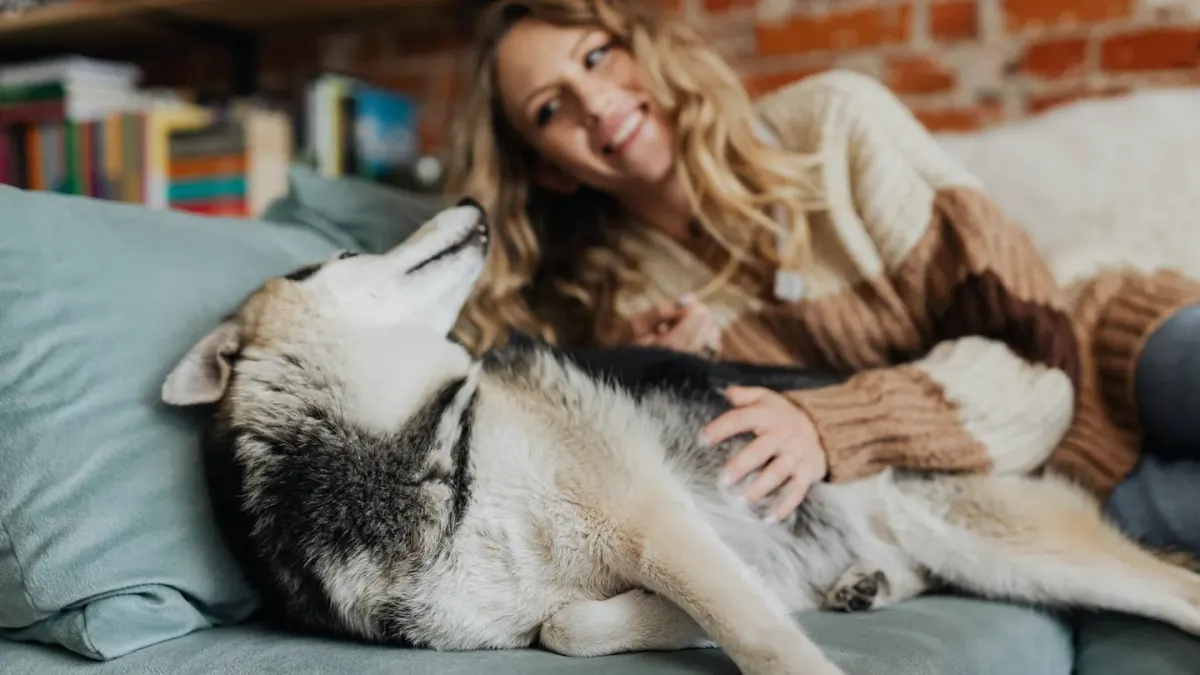
In my practice I see jealousy as a Western behavior pattern — competition over valued resources — layered over what TCVM would call a Heart and Spleen imbalance from disrupted routine and worry. The dog that slept through the night now paces, licks, blocks doorways, or crowds your lap when you hold the puppy. Appetite shifts, sleep lightens, and small triggers get big reactions. My position is direct: rebuild separate rest, feeding, and one-on-one time first, then consider calming support only as backup. The strongest counterargument is to start a calming supplement right away to take the edge off, and I understand it. I still land on routine first because no ingredient holds if the dog never gets uninterrupted sleep or a meal without a puppy staring at the bowl.
She was a six-year-old, 48-pound spayed Lab mix, three weeks in with an eight-week-old puppy, and the owner called the problem jealousy on the couch. The older dog would wedge between owner and puppy, steal the puppy’s chew, then drop it and stare. Walks had slipped from twice daily to whenever the puppy napped. Meals moved to the kitchen floor side by side. What changed by day 10 of a reset was telling: separate feeding behind a gate, a closed-door nap in the bedroom from 1 to 3 p.m., and five minutes of solo nose work before dinner. The crowding softened first, then the stealing stopped. The choice being weighed was not which chew to buy, but whether the older dog could count on anything staying hers.
When guarding looks like jealousy
Pushing in for pets, barking when you pick up the puppy, hovering over bowls, stiffening over beds, or suddenly forgetting house training all point the same way. Your resident dog is tracking resources: you, food, sleep spots, toys, doorways, yard time. Puppies break every rule by staring, following, climbing, and squeaking through naps.
Give each dog a do-today reset. Feed in separate rooms behind a closed door. Pick up bowls after 15 minutes. Give the older dog one puppy-free rest spot and enforce it with a gate. Keep greetings low-key. Walk the resident dog alone first, even for 10 minutes. Train the puppy to settle on a mat while the older dog gets treats for calm distance. Write it down for one week so every person in the house does the same thing.
That short structure does more than reassure. Sleep and regular meals help maintain normal stress responses, and predictable access to you lowers the need to compete.
The fix that backfires
He was a three-year-old, 22-pound neutered French Bulldog who growled when the owner cuddled the new 12-week-old puppy on the sofa. The owner tried to fix it by lavishing treats and petting only when both dogs were together, hoping the older dog would link puppy with good things. By week two the growling was louder and the little dog started guarding the whole sofa, then snapped when the puppy bounced up uninvited. The tradeoff was clear: constant togetherness removed the older dog’s off switch. We changed course with strict either-or attention, separate chew time across the room, and no shared sofa for seven days. The growl faded once distance was allowed, and the owner could reward calm looks from six feet away instead of feeding through tension.
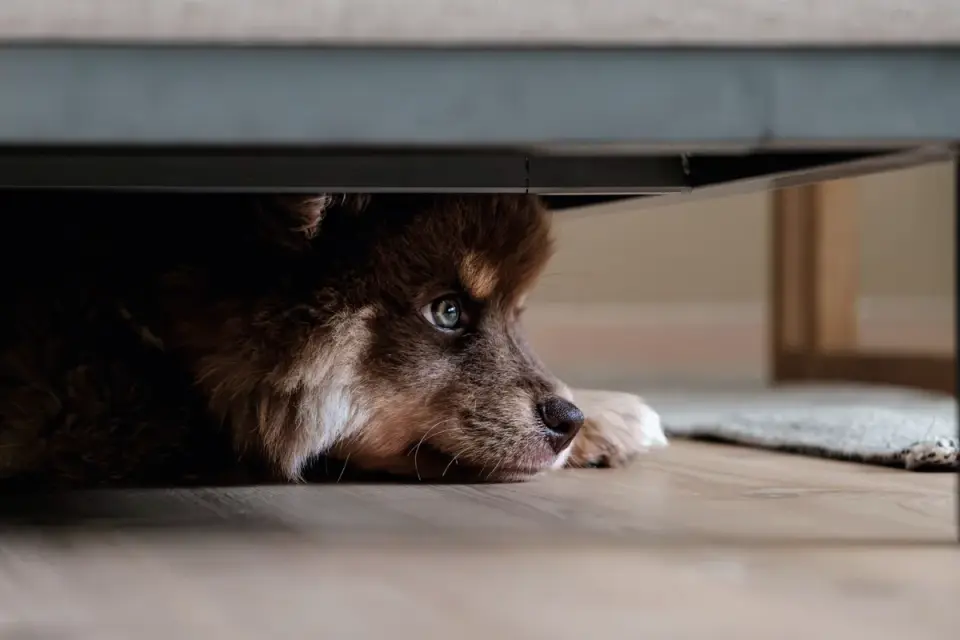
Keep corrections quiet and brief. Interrupt crowding with a cheerful recall, reward the turn away, then separate. Do not punish growls; treat a growl as information that distance was needed sooner. Practice short parallel sessions: puppy on leash with a helper, resident dog free to move away, mark and reward disengagement.
Where food, movement, and calm support fit
Lead with the non-supplement levers. Keep the resident dog’s diet consistent rather than switching foods during the transition. Maintain chew and sniff outlets that do not require sharing. Keep exercise matched to age and joints, not to puppy energy. A tired puppy is also a gift to your older dog, so use crate naps, snuffle mats, and brief training reps to protect quiet hours.
Supplements may help support relaxation during retraining, but they do not teach sharing or create rest. Chamomile and similar herbs sit in that thin-evidence zone: “For the remaining species, evidence is derived mainly from preclinical studies or traditional use.” as summarized in Biomedicines. For ashwagandha, “A systematic review analyzed multiple RCTs and concluded that ashwagandha has a moderate positive impact on stress reduction and cognitive performance.” in Cureus, which is human and general literature, not proof in jealous dogs. L-theanine shows the same gap — one human dose review notes “except for one study on psychotic anxiety (SMD = 0.54; 400 mg/day for 8 weeks)” in Molecular Psychiatry. Use structure/function language, follow label directions, and do not stack human products. Human gummies and chewables often carry xylitol and odd doses, as explained in adult gummy vitamins versus dog chews, and prescription-level fear is a different conversation than the one outlined in diazepam versus calming chews for storm phobia.
If you try a calming formula to help maintain composure during separations and training, run one change at a time for two weeks and track sleep, appetite, and crowding frequency.
He was a nine-year-old, 65-pound neutered Shepherd mix, four weeks after the puppy arrived, and the edge case was pain. The owner reported new jealousy at night: pacing, whining when the puppy got lap time, reluctant to jump on the bed. Daytime looked fine. On exam the hips were sore and evenings were worse after puppy wrestling stole his long nap. We moved his bed to a warm, draft-free corner, added a non-slip rug path, kept puppy play out of that room after 7 p.m., and split evening attention into two short solo sessions instead of one long cuddle with both dogs piled on. Night pacing eased once rest was protected. The lesson travels: in seniors, rule out sore joints, poor sleep, and vision or hearing loss before calling it attitude.
When to get help
Call your veterinarian promptly for escalation to snapping or biting, guarding that spreads to people or doorways, refusal to eat for more than a day, house soiling with straining or blood, sudden lethargy, or any puppy illness with vomiting or diarrhea that changes the whole house dynamic. Bring notes on sleep, feeding setup, and what happens right before incidents. That detail lets your veterinarian pair a Western diagnostic — pain, thyroid, urinary, behavior disorder — with the TCVM pattern I watch for: restless Shen from noise and broken routine plus Spleen qi deficiency from irregular meals.
Improvement often looks boring. Less hovering. Faster settle. That is success.
Frequently asked questions
Is my dog really jealous of the new puppy?
Jealousy describes the look, but behaviorally it is usually guarding of you, food, rest, and space after the routine changed. Track what is guarded and when, then give each resource a separate, predictable setup.
Should I give extra attention to the older dog or stay neutral?
Give short, separate one-on-one time to the resident dog daily, plus protected rest and separate meals. Avoid only rewarding both dogs together, which can trap the older dog close to the trigger.
How long does adjustment take?
Many households turn a corner in 2 to 4 weeks with consistent separation and sleep protection. If guarding escalates, spreads, or includes bites, get veterinary and trainer help promptly.