Your Dog's Growl Has a Reason and Deserves Listening
A vet explains why dogs growl at owners for seemingly no reason, from pain to stress, and what to do safely.
Dogs rarely growl without a reason, and hearing the warning calmly keeps everyone safer.
On this page
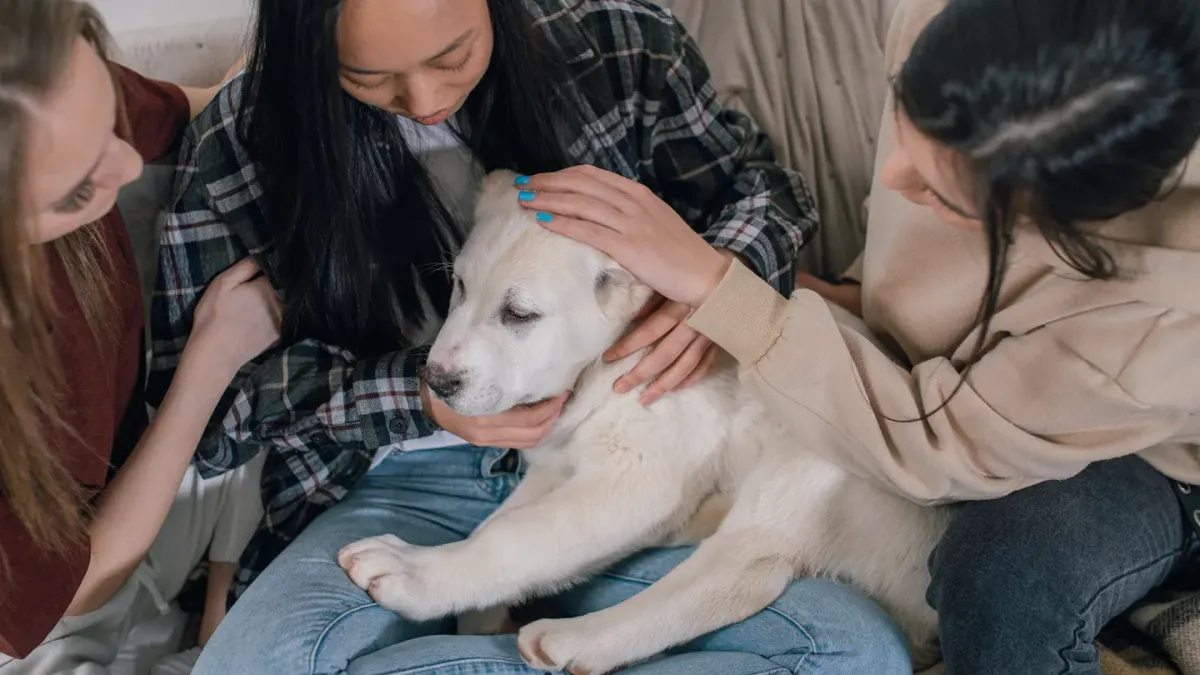
Amy was crossing the living room in Memphis when Rudolph, her 9-year-old neutered male Pug, lifted his head from the rug and growled. She had not reached for him, raised her voice, or stepped on a paw. For a second she felt hurt, then worried that his sweet temperament had changed overnight.
A common question is whether a dog would ever growl for no reason at all. Expectation first: almost never. A growl is communication, not defiance. It usually means the dog feels uncomfortable, afraid, painful, startled, or conflicted, and the trigger was just too quiet or fast for us to notice.
Vets often see this disconnect in senior dogs like Rudolph. An owner reports a new growl during rest or handling, and on exam we find stiff hips, dental pain, or cloudy vision that makes a lean-over or hug feel threatening. Behavior does not happen in a vacuum. Baseline health, sleep, exercise, and routine changes all shape how a dog copes.
What is your dog actually trying to say?
Think of a growl as an early warning, not the first step in a plan to bite. Dogs escalate in a ladder: freeze, look away, lick lips, show teeth, growl, snap. When we listen at the growl, we can prevent the next rung.
Context tells you the most. Note where it happened, what you were doing, time of day, and what stopped it. Growling on the couch is often about resting-space discomfort. Growling when approached near food or a toy points to guarding. Growling when hugged or lifted often reflects pain or feeling trapped. If you want help decoding touch specifically, read Why Does My Dog Growl When I Pet Him? A Vet’s Guide to Reading the Warning.
Punishment makes this harder. The American Veterinary Society of Animal Behavior advises against confrontational methods that suppress warning signals, because a dog that learns not to growl may skip straight to a snap.
Punishing the noise never fixes the feeling behind it.
Could pain, age, or stress explain the sudden change?
Start with health, especially if the growl is new, louder, or happens when touched, lifted, or disturbed while sleeping. Arthritis, ear infection, dental disease, skin soreness, nausea, and vision or hearing loss can lower tolerance fast. A 9-year-old Pug who growled after three calm weeks is telling you something changed.
In practice, a brief health check helps: any limping, reluctance on stairs, appetite change, panting at rest, head shaking, or yelping when picked up. Keep a simple log for seven days. Two or three entries with time, place, and trigger give your veterinarian far more than memory alone.
Daily life matters too. Dogs that miss walks, play, sniffing time, and predictable rest tend to react more quickly. Fear during storms, visitors, moves, or schedule shifts can spill over into growling at a familiar person. That overlap with other sudden behavior shifts is why growling indoors and marking inside the house often rise together during stressful weeks.
For handling guidance grounded in low-stress care, Cornell University College of Veterinary Medicine outlines how pain, fear, and resource-related aggression differ and why early veterinary evaluation matters.
What should you do in the moment and after?
Freeze, then give space. Turn slightly sideways, avoid direct staring or reaching over the head, and let the dog move away. Speak softly once, then get quiet. Tossing a treat away from you can help a tense dog disengage without luring them closer.
Do not scold, alpha-roll, grab the collar, or force an apology cuddle. Those responses may stop the growl that day while leaving the dog more worried the next time.
Later that day, try this reset:
- Rule out pain first with a veterinary visit if growling is new, frequent, or tied to touch, age, or appetite change.
- Protect rest. Give senior dogs a quiet bed where no one startles, hugs, or steps over them.
- Ask instead of grabbing. Invite with a pat on your leg, reward a come-closer, and stop handling if the body stiffens.
- Keep greetings low-pressure. Bend slightly sideways, pet the chest for three seconds, then pause and see if the dog asks for more.
- Rebuild with routine. Same walk time, same feeding spot, short training wins, and calm enrichment may help support steady behavior.
Structure and realistic timelines matter here. Most dogs improve within two to four weeks once pain is addressed and triggers are managed, but guarding or long-standing fear often needs a guided behavior plan. Ask your veterinarian for a referral to a certified behavior professional rather than following random video corrections.
A quick note on calming aids: L-theanine is an amino acid found in tea that has been studied for its calming properties, and chamomile and valerian root have been used in traditional herbal care to support relaxation. Evidence in dogs for growling itself is thin, so view these as possible background support alongside training, exercise, and medical care, not a fix for the warning.
Where does this leave you and your dog?
Rudolph did not stop loving Amy. He needed a vet check, a softer bedtime routine, and a house rule that rest means rest. When owners treat the growl as information, trust usually grows.
What would change if you answered the next growl with curiosity instead of correction?
Frequently asked questions
Should I punish my dog for growling at me?
No. Punishment can suppress the warning without changing the underlying fear or pain, which raises bite risk. Give space, stay calm, and address the trigger with veterinary and behavior help.
Why does my older dog suddenly growl when touched?
New sensitivity often reflects pain, stiffness, sensory loss, or illness. Schedule a veterinary exam promptly, protect rest, and use gentle, consent-based handling until you have answers.
When is growling an emergency?
Seek urgent care if growling comes with snapping or biting, sudden severe pain, neurologic signs, or a major personality change, especially after injury, toxin exposure, or illness onset.
Sources
- Humane Dog Training Position Statement — American Veterinary Society of Animal Behavior