Is It Normal for an Older Dog to Sleep More During the Day?
Why senior dogs nap more, what normal daytime sleep looks like, and when extra sleep signals pain, cognitive change, or illness.
Most gray-muzzle naps are just an older body budgeting energy, but the pattern of the sleep tells you more than the total hours.
On this page
Most adult dogs already spend about half the day asleep, and seniors often need more rest on top of that, according to VCA Hospitals.
A few springs ago I watched a wiry, gray-muzzled terrier mix, well into her senior years and small enough to curl into one couch cushion, doze straight through what used to be her busy window. Her owner said she now slept from noon to almost 3 p.m. without lifting her head when the mail came, where a year earlier she had barked and trotted to the door. Appetite was steady, nighttime sleep was quiet, and she still asked for her evening amble. The question on the table was simple and heavy: call the clinic now, or adjust the day around an older body that tires faster?
That shift is normal in many houses.
When a long nap is just aging
With age, muscle mass slips, joints get achy, hearing dulls, and the brain processes a little slower. A dog that once patrolled the yard may now choose the rug. The total may reach 16 to 18 hours in a 24-hour stretch, broken into naps rather than one long snooze.
What matters is the shape of the day. A normal senior still wakes for food, greets you, wants a short walk, and settles again. Energy dips, but interest stays. The American Kennel Club notes that slowing down, graying, and sleeping more are expected parts of senior life, with regular checkups helping sort normal change from early disease.
I pay closest attention to transitions. Can she rise without much struggle, walk to the door, go out, eat, and reposition herself? If yes, her body is budgeting, not shutting down.
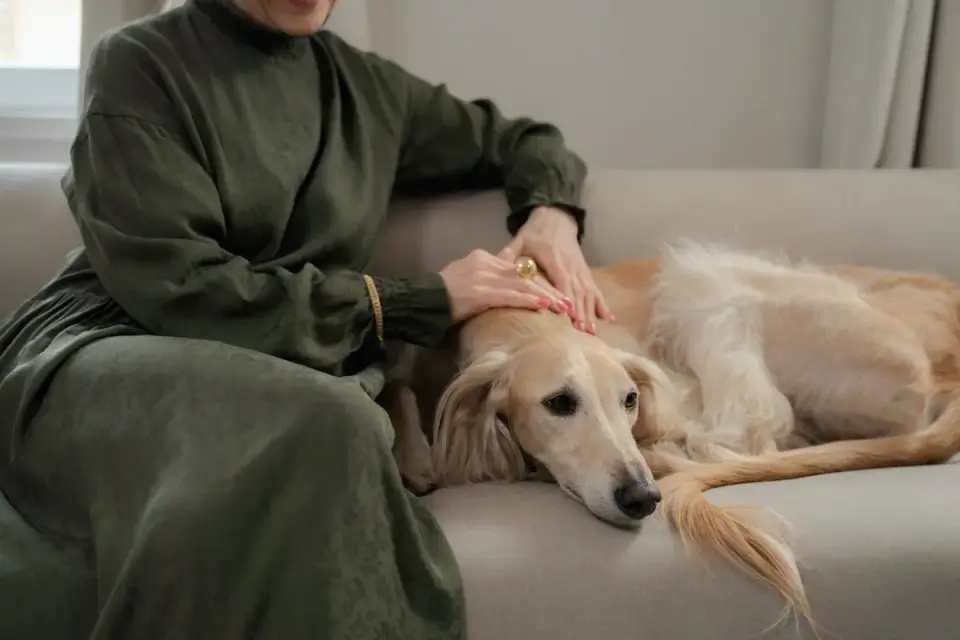
What healthy senior sleep looks like at home
Think rhythm, not hours. Most comfortable seniors keep a loose routine: morning potty and sniff, breakfast, morning nap, brief afternoon activity, evening nap, then nighttime sleep with one or two potty breaks.
The bed matters. A supportive, low-sided bed on a warm floor, away from stairs, helps maintain rest without strain. Keep water close, keep the path to the door clear and non-slip, and keep feeding times steady. Owners who track how feeding amounts change with age often spot the link first — a dog fed for her current metabolism holds weight better and naps more soundly.
Daylight helps too. Open blinds in the morning, take a short amble, then let her sleep. Dogs with reversed days and nights often need more structure, not less sleep.
The rest-is-best trap I stopped recommending
The broad-chested Labrador-type I am thinking of had started groaning when he stood, so his family tried to help by canceling walks altogether. They cut from two easy neighborhood loops a day to none for nine straight days, hoping rest would rebuild him. He slept more, but he also stiffened. His steps shortened, his hind end swayed on the kitchen tile, and he needed two tries to get into the car.
Rest alone rarely rebuilds an aging body. Gentle movement pumps joint fluid, keeps supporting muscle engaged, and helps maintain range of motion through hips, shoulders, and spine. I would rather see two five-minute sniff walks with plenty of pauses than one forced march or total couch rest.
This is where my rehab bias shows. I walk through how gentle movement supports comfort and mobility: start with a warm-up wander around the yard, follow with slow leash walking on soft ground, pause for weight shifts and sniffing, then end while he still wants a little more. Adjustment work or TCVM modalities may help support comfort for some dogs, but they sit on top of daily motion, not in place of it. Expectations stay realistic — we are helping maintain ease, not turning back the clock.
If heat is part of the problem, keep those outings short and use the routine in How to Help a Senior Dog Cool Down Safely After Light Summer Exercise so recovery stays smooth.
When daytime sleep stops looking normal
Extra sleep deserves a call when the pattern breaks. Watch for sleep that comes with appetite loss, weight loss, heavy panting at rest, coughing, limping that does not warm up, accidents in a housetrained dog, or pacing and staring at night.
Disorientation is a common fork in the road. A dog that sleeps all day and then wanders, gets stuck behind furniture, or seems lost in a familiar yard may be showing cognitive change rather than simple tiredness. The piece on Why a Senior Dog Gets Disoriented in Her Own Backyard walks through that nighttime restlessness and what helps maintain orientation.
Pain hides inside sleep, too. Dogs rarely complain. They nap to avoid stairs, skip play, lick a wrist or hock, or shift weight forward off sore hips. The American Veterinary Medical Association recommends twice-yearly exams for senior pets, with weight, mobility, and mental sharpness checked each time, because early shifts are easier to support than late ones.
Trust a sudden change. A gradual slide over months fits aging. Sleeping almost around the clock within a week, or not waking for dinner, does not.
The dog who needed the rule bent
The lean shepherd-type in this last picture did not fit the usual advice to walk a little every day. She could still cover a single slow loop of about two hundred yards in the morning, sniffing and wagging, then she wanted nothing else. Afternoon attempts left her panting and sore that night, even on grass. Her owner stopped pushing for balance across the day and rebuilt around that one good window instead.
They kept the morning loop, added a five-minute backyard potty sniff near dusk, and let the long afternoon nap stand. They moved her bed near the family, added a runner over slick flooring, and shifted training and enrichment to morning when her brain was awake. Her total sleep stayed high, but nighttime pacing eased and mornings brightened. For dogs whose reserves run out early, like those sorting through Does Vitamin B6 Actually Help a Dog’s Brain? What the Evidence Supports, timing matters as much as totals.
The principle holds: protect movement where it helps maintain comfort, then protect rest without guilt.
Where I land on naps, walks, and checkups
Yes, more daytime sleep is normal for many older dogs. I worry less about the couch hours and more about whether appetite, greeting, mobility, and nighttime rest still hold together.
Keep one or two short, sniffy walks if your dog enjoys them, keep weight lean, keep the house easy to move through, and keep vet visits regular. If sleep jumps suddenly, or comes with limping, confusion, appetite change, or labored breathing, book an exam rather than waiting it out. Comfort in old age is rarely about doing more. It comes from steady days that leave a little in the tank.
Frequently asked questions
How much daytime sleep is normal for a senior dog?
Many seniors sleep 16 to 18 hours per day in naps, but the pattern matters more than the total. A dog that still eats, greets you, walks briefly, and sleeps soundly at night is more reassuring than one that cannot be roused or has lost interest.
Should I wake an older dog to keep her active?
Do not routinely wake deep sleep to enforce play. Anchor the day with short morning light, meals, potty breaks, and one or two brief sniff walks, then let naps happen around that structure.
When should extra sleep trigger a vet visit?
Call promptly for sudden all-day sleepiness, not waking for meals, labored breathing, ongoing limping, rapid weight change, new incontinence, or nighttime pacing and confusion.
Sources
- Senior Dog Care — VCA Hospitals
- Senior Pets — American Veterinary Medical Association