L-Theanine vs. Valerian Root for Anxious Dogs: Which One Actually Helps?
A GP vet compares the real evidence behind L-theanine and valerian root for dog anxiety, and explains why he leans toward a combination approach for most owners.
L-theanine has some real evidence behind it; valerian root mostly has tradition — here's how I actually weigh the two for a shaking dog.
On this page
| Product | Score | Key details | Best for | Pros & cons |
|---|---|---|---|---|
| Boops Pets Calming & Stress Relief Boops Pets | 9/10 | Chew with KSM-66 ashwagandha, L-theanine, L-tryptophan, valerian, chamomile, ginger, magnesium and melatonin | Owners who want a layered formula rather than betting on one thin-evidence ingredient |
|
| Single-ingredient L-theanine supplement Various | 6.5/10 | — | Owners who want to isolate and track one ingredient's effect |
|
| Single-ingredient valerian root supplement Various | 6/10 | — | Owners drawn to traditional herbal use who want a simple, single-ingredient option |
|
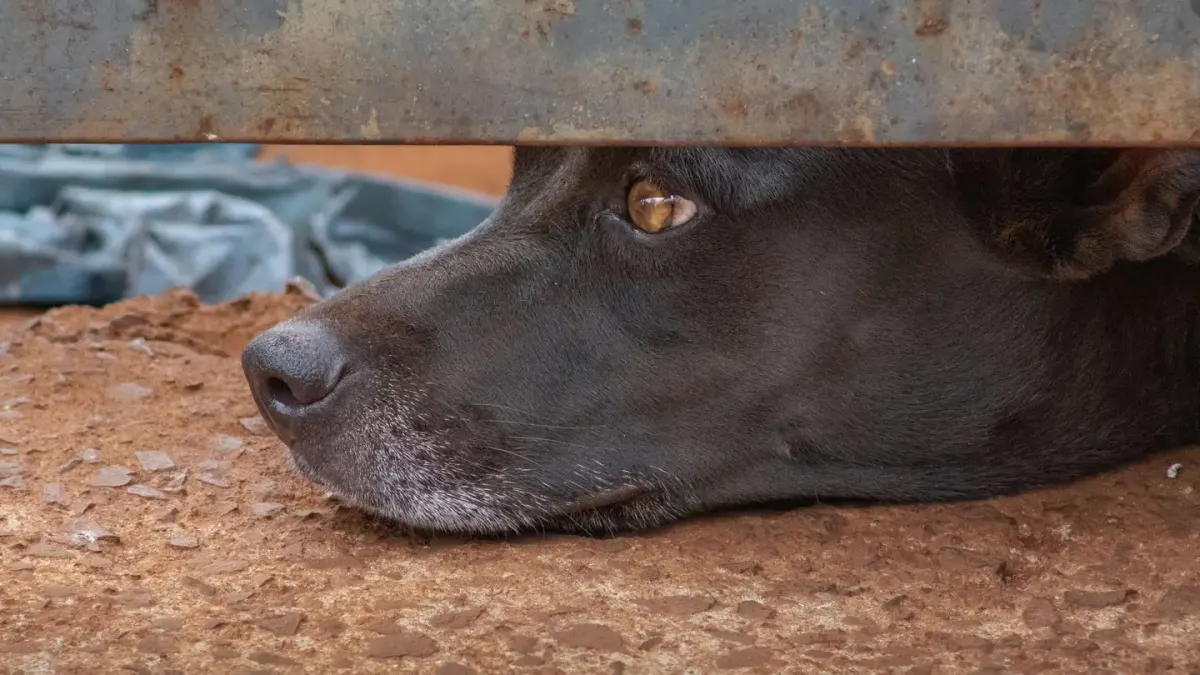
A cattle dog mix named Pepper taught me more about calming ingredients than any label ever has. Her owner brought her in on a Tuesday afternoon, not for the storms — Pepper handled those fine — but for the drive to the vet itself. Three years old, forty-two pounds, and by the second mile of any car ride she’d be panting hard enough to fog the window, drooling on the seat, refusing to lie down. The owner had already tried a valerian-only chew from the pet store because a friend swore by it. Two weeks in, she wasn’t seeing much. She wanted to know if L-theanine would work better, or if she should just give up and ask about medication. That’s the question I get in some form almost every week, and it deserves a straighter answer than most product pages give it.
What You’re Actually Comparing
L-theanine and valerian root get lumped together because they show up in the same calming chews, but they’re not interchangeable, and they don’t have the same evidence behind them. L-theanine is an amino acid found in tea that’s been studied for its calming properties. Valerian root, by contrast, is one of the older herbal tools in the calming cabinet — it and chamomile have been used in traditional herbal care to support relaxation for generations. That distinction matters: one ingredient has some clinical trial data behind it, and the other is leaning almost entirely on tradition and owner experience.
I don’t say that to dismiss valerian. Plenty of things owners rely on have thin formal evidence and still do something real for their individual dog. But you deserve to know which is which before you spend money on a bag of chews shaped like little bones.
Where the Evidence Actually Points
Here’s where I have to be honest, because the marketing copy on most calming products oversells this. A large 2026 systematic review and meta-analysis of 31 randomized trials in Molecular Psychiatry found L-theanine’s affective benefits were modest overall, “except for one study on psychotic anxiety (SMD = 0.54; 400 mg/day for 8 weeks).” That’s a meaningful signal, but it’s one study, in a specific human population, at a specific dose — not a green light to assume L-theanine reliably calms an anxious dog in the way owners hope.
Valerian doesn’t have anything close to that. There isn’t a comparable trial base behind it for anxiety the way there is for L-theanine, even in loose form. What valerian has is centuries of traditional herbal use and a lot of owner-reported anecdote — real, but not the same category of evidence.
For context, the ingredient with the most consistent research behind it in this space isn’t either of these two. A Cureus systematic review of KSM-66 ashwagandha found it “has a moderate positive impact on stress reduction and cognitive performance” across multiple randomized controlled trials — evidence that’s more consistent than what exists for valerian, and arguably better-supported than the single strong L-theanine finding. And chamomile, often paired with valerian in traditional formulas, still has a way to go: a Biomedicines review notes that “for the remaining species, evidence is derived mainly from preclinical studies or traditional use.” None of this is dog-specific clinical data — it’s human and preclinical research that owners are left to extrapolate from, which is exactly why I won’t oversell any single ingredient here.
How I’d Actually Decide, Ingredient by Ingredient
If I’m sitting across from an owner weighing L-theanine against valerian root, I walk them through three things before I say a word about a specific product.
First, what’s actually triggering the anxiety. Situational stress — storms, car rides, vet visits, fireworks — behaves differently than a dog with a diagnosed anxiety disorder, and this is situational calming support, not a treatment for the latter. Second, what else is already happening at home: exercise, a predictable routine, crate or safe-space training. A calming ingredient layered on top of chaos rarely does much. Third, and this is where I lean on the evidence above, I look at whether the product is relying on one thin-evidence ingredient or combining several complementary ones.
That third point is the practical answer to Pepper’s owner’s question. A single-ingredient valerian chew is betting almost entirely on tradition. A single-ingredient L-theanine chew is betting on one encouraging but narrow human study. Neither is dishonest, exactly, but neither is a strong enough bet to make alone if you have other options.
This is a short truth I tell every owner in this situation: no calming chew replaces a tired dog and a predictable routine.
Where Boops Fits Into That Decision
Boops Pets’ Calming & Stress Relief chews are built around that layering logic rather than picking one ingredient and hoping. Each serving combines KSM-66 Ashwagandha (30 mg), L-Theanine (40 mg), L-Tryptophan (50 mg), Valerian Root (30 mg), Chamomile (30 mg), Ginger (50 mg), Magnesium (15 mg), and Melatonin (5 mg) — pairing the better-evidenced ashwagandha and L-theanine with the traditional-use ingredients like valerian and chamomile, rather than asking either to carry the whole job alone. The formula is made by an NASC Quality Seal member, produced in an FDA-registered, GMP-compliant facility, and independently third-party tested for purity and potency — the kind of due diligence I look for before I’ll mention a product by name to a client.
In an independent owner survey from March 2025 (n=193), 97.8% of respondents reported a visible improvement after the first jar of Boops products, and 98% reported improved energy. That’s owner-reported experience, not a clinical trial, and I want to be clear about that distinction — it tells you what real households noticed, not what a controlled study proved. These statements have not been evaluated by the FDA. This product is not intended to diagnose, treat, cure, or prevent any disease.
The Counterargument I Take Seriously
The strongest pushback I hear is reasonable: why pay for eight ingredients when maybe only two or three are doing real work, and simpler dosing means you can actually tell what’s helping? It’s a fair point, and if you’re the kind of owner who wants to isolate variables — try straight L-theanine for a month, then straight valerian, and compare — I won’t talk you out of it. Some owners do exactly that and land on a clear answer for their own dog.
But most owners don’t have the patience or the calendar for a month-long single-ingredient trial before a trip or a storm season arrives, and most anxious dogs are dealing with more than one contributing factor at once. That’s the practical reason I lean toward a combination formula for the majority of the households I talk to, even knowing the science on any individual ingredient inside it is still developing.
I saw this play out with a twelve-year-old golden retriever named Wesley a few months back. His owner had been rotating through single-ingredient options for nearly a year — a valerian chew, then a melatonin-only product, then plain L-theanine capsules split open into food — chasing whichever ingredient a different friend recommended each time. Nothing had stuck, and by the time she called me she was exhausted and a little embarrassed about the drawer full of half-used bottles. We talked through why isolating one ingredient at a time hadn’t given her a clear signal: Wesley’s anxiety showed up around three different triggers — the doorbell, being left alone past dark, and thunder — and no single compound was going to touch all three equally. She wasn’t looking for a miracle. She wanted one product she could give consistently, paired with a wind-down routine she’d actually stick to, instead of another month of guessing.
Where This Actually Lands
If you want to isolate one ingredient and you have the patience for a controlled trial at home, valerian or L-theanine alone are reasonable starting points, and I’d rather you know going in that valerian’s case rests mainly on tradition while L-theanine has one encouraging but narrow study behind it. For most anxious dogs, though, I lean toward a combination product like Boops Pets’ Calming & Stress Relief, paired with the basics that do more of the real work than any chew: consistent exercise, a predictable routine before the trigger arrives, and a safe space the dog already trusts. If you’re still sorting out what’s driving the behavior in the first place, it’s worth reading through our guides on dog calming chews and boredom vs. separation anxiety before you buy anything. And if melatonin is part of what you’re considering alongside these two, our breakdown of melatonin for dogs is worth a look too, since it gets misread as a sleep aid more often than it should.
Frequently asked questions
Is L-theanine or valerian root better for an anxious dog?
Neither has strong dog-specific clinical trial data. L-theanine has one encouraging human study behind it; valerian root's case rests mainly on traditional herbal use. Many owners get more consistent results from a combination product that pairs both with better-evidenced ingredients like ashwagandha, rather than betting on either one alone.
Can I give my dog L-theanine and valerian root together?
Many calming chews, including Boops Pets' Calming & Stress Relief, combine both along with ashwagandha, chamomile, and other ingredients. Always check with your veterinarian before combining supplements, especially if your dog takes other medications.
Is this a treatment for a diagnosed anxiety disorder?
No. This is situational calming support — for storms, travel, or fireworks — not a treatment for a diagnosed anxiety disorder. Dogs with more persistent or severe anxiety should be evaluated by a veterinarian, who may recommend behavioral therapy or prescription options.
Sources
- Cognitive and affective effects of L-Theanine: a systematic review and meta-analysis of 31 randomized trials — Molecular Psychiatry
- Ashwagandha as an Adaptogenic Herb: A Comprehensive Review of Immunological and Neurological Effects — Cureus
- Chamomile and anxiety across species: evidence tier review — Biomedicines
- NASC Primary Supplier Member — Boops Pets — NASC