Sudden Anxiety in a Senior Dog: When to See the Vet
A senior dog who suddenly seems anxious is telling you something changed. Here's how to sort medical causes from behavioral ones, and when a vet visit can't wait.
Why is my old dog suddenly anxious? Usually it's pain, cognitive decline, or a sensory loss talking, not a personality shift.
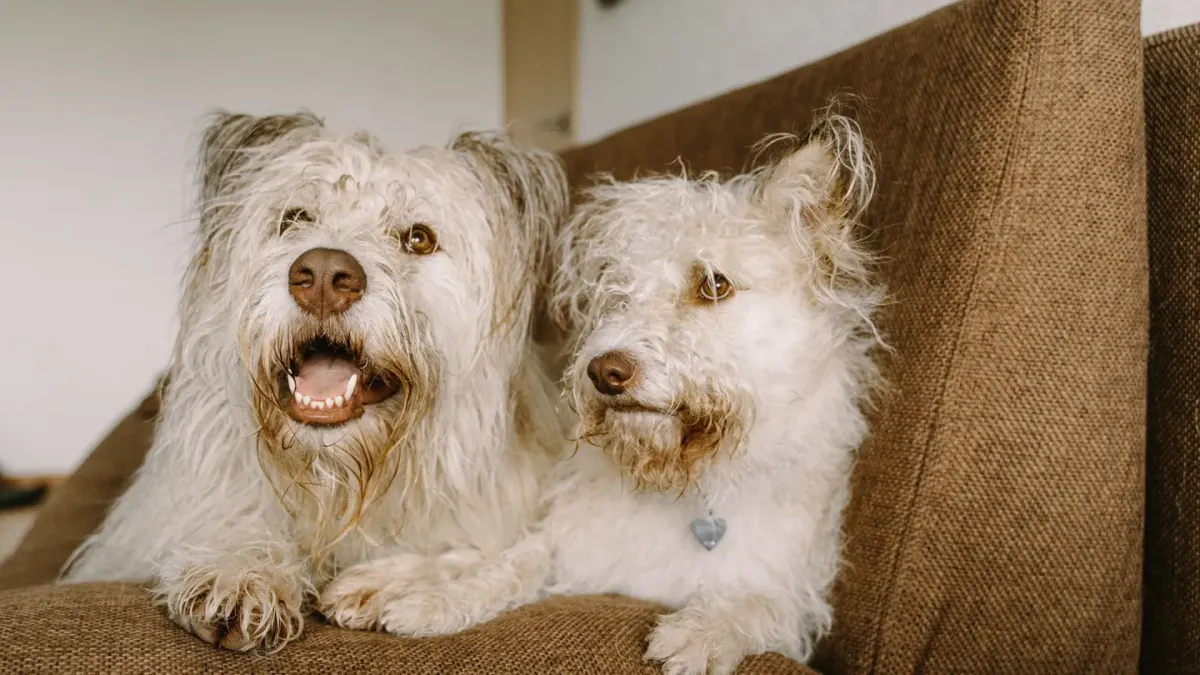
Why is my old dog suddenly anxious?
Gracie was a twelve-year-old spayed Cavalier King Charles Spaniel, forty pounds ago a confident dog who slept through thunderstorms. Her owner called me on a Tuesday because Gracie had started pacing the kitchen at 2 a.m., panting, and refusing to settle in her bed by the back door where she’d slept for a decade. It had been going on for about three weeks. Nothing in the house had changed — same owner, same schedule, same food. That mismatch, new behavior against an unchanged environment, is usually the first clue that something medical is driving the anxiety, not something environmental.
In my practice, sudden-onset anxiety in a dog over roughly eight or nine years old is treated as a symptom until proven otherwise. It’s rarely “just anxiety.” I want to know what’s underneath it before I reach for anything calming.
The short list of what actually causes this
A handful of things account for most cases I see:
- Pain. Arthritis, dental disease, and GI discomfort are the most common drivers I find. Pain that’s tolerable during the day can feel worse at night when the house is quiet and there’s nothing to distract from it — which is exactly when owners report the pacing and whining starting.
- Cognitive decline. Canine cognitive dysfunction changes a dog’s sense of time, place, and recognition. A dog with CCD can seem lost in a familiar room, get “stuck” facing a corner, or wake disoriented and distressed in the middle of the night.
- Sensory loss. Dogs losing hearing or vision startle more easily and lose confidence navigating spaces they used to move through without thinking. A dog who can’t hear you approach, or can’t quite make out the stairs anymore, reads the world as less predictable — and less predictable often reads as anxious.
- A new medical diagnosis. Hyperthyroidism (uncommon in dogs but not impossible), Cushing’s disease, and some cardiac or metabolic conditions can present with restlessness and apparent anxiety before the more obvious signs show up.
What I actually rule out first
Before I talk about behavior at all, I do a full physical exam with real attention to joints, mouth, and abdomen, plus baseline bloodwork and often a blood pressure check. If the history includes disorientation, night waking, or house-soiling in a previously reliable dog, I’ll walk through a cognitive dysfunction screen with the owner — there are validated questionnaires for this, and they’re more useful than guessing from a single office visit.
I ask owners to keep a short log for a week: what time the anxiety shows up, what the dog was doing right before, whether it’s worse after activity or after rest, and whether appetite or sleep have shifted too. That log tells me more than most single exams do, because sudden anxiety rarely arrives alone — it usually travels with a change in sleep, appetite, or mobility that the owner hasn’t connected yet.
Where diet and daily structure fit before anything else
This is where I start every plan, and it’s not glamorous: consistent feeding times, a predictable bedtime routine, and a short, low-impact walk earlier in the day rather than right before bed. Senior dogs with early arthritis often do better on a joint-support-oriented diet and a stable daily rhythm than on any calming product, because a lot of what reads as anxiety is actually a dog trying to manage discomfort or disorientation with less routine to lean on. If your dog’s anxiety shows up mainly at a specific time of day, protecting that window with calm, familiar structure — same room, same dim lighting, same person nearby — often does more than anything else I can offer in the first two weeks.
Where supplements can fit, and where the evidence is honest about its limits
Once pain and cognitive change have been addressed medically, some owners ask about calming supplements for the in-between moments — evening restlessness, storms, car rides. I’m candid with clients about what the evidence actually supports. Chamomile and valerian root have been used in traditional herbal care to support relaxation, though for chamomile specifically, current evidence in most species is derived mainly from preclinical studies or traditional use rather than large clinical trials, per a 2026 review in Biomedicines. KSM-66 Ashwagandha, a clinically studied form of the herb, is described as offering stress support, and a systematic review published in Cureus found ashwagandha has a moderate positive impact on stress reduction and cognitive performance across multiple RCTs — though that body of work is largely in humans, not dogs. L-theanine, an amino acid found in tea, has been studied for its calming properties, and a review in Molecular Psychiatry found benefit in one human study on psychotic anxiety at 400 mg/day for eight weeks — a dose and population that doesn’t translate directly to dogs.
I say this plainly because I don’t want a supplement standing in for a diagnosis. If your old dog is suddenly anxious, structure/function ingredients may help support a calmer baseline once the medical workup is done — they are not a substitute for finding out why the anxiety started.
One case still shapes how I explain this to owners. An eleven-year-old male neutered Labrador named Duke came in because he’d started refusing to jump onto the couch and pacing before bedtime, both new within a month. His owner assumed it was age-related anxiety and had already tried a calming chew with no change. On exam, Duke had significant hip discomfort and mild dental disease. Once we addressed the pain, the nighttime pacing resolved within about ten days — no calming product involved. That’s the pattern I see most often: what looks like new anxiety is frequently pain wearing an anxious face, and treating the anxiety alone leaves the actual problem untouched.
How this differs from boredom or separation anxiety
Sudden anxiety in an older dog is a different animal than the boredom-driven chewing or destruction you’d see in a younger dog left alone too long — if you’re trying to sort out whether new distress is about being alone specifically, our guide on boredom vs. separation anxiety walks through the distinction. Anxiety that only shows up at departures points toward a behavioral pattern; anxiety that shows up regardless of who’s home, especially at night, points me back toward pain or cognition first. It’s also worth ruling out whether new restlessness is really anxiety at all versus discomfort expressed as growling when petted or other guarding behavior, which has its own set of medical and behavioral causes.
When to call the vet, and when not to wait
Call soon, not eventually, if the anxiety is new within the last month, especially alongside any of the following: disorientation, house-soiling in a previously reliable dog, a change in appetite or thirst, stiffness getting up, or vocalizing at night that wasn’t there before. A single anxious evening after a thunderstorm doesn’t need an emergency visit. A pattern that’s building over days to weeks does.
I’ll be direct about where I land: for a senior dog with new-onset anxiety, I want a medical workup before a behavioral or supplement plan, every time. The strongest counterargument I hear is that a trial of a calming supplement is low-risk and worth trying first while waiting for an appointment — and for a single stressful event, that’s fair. But as a pattern, it risks masking pain or cognitive decline for weeks while the underlying condition progresses untreated. I’d rather rule that out first and add supportive tools second.
Recap
New anxiety in an old dog is a signal, not a personality change. Pain, cognitive decline, and sensory loss cause most of what owners describe as sudden anxiety, and a vet visit — not a calming chew — is the right first move. Diet, routine, and a stable daily rhythm do real work once medical causes are addressed, and structure/function ingredients like chamomile, ashwagandha, and L-theanine may help support a calmer baseline after that, not instead of it.
Frequently asked questions
Can sudden anxiety in an old dog be just age, with no underlying cause?
It's uncommon. Most cases I see trace back to pain, cognitive change, or sensory loss. "Just getting old" is rarely the full answer, and it's worth a vet visit to check.
How fast should I get my senior dog seen if the anxiety is new?
Within a week or two for a pattern building over days, sooner if it comes with disorientation, appetite change, or house-soiling in a previously reliable dog.
Sources
- Chamomile evidence in preclinical and traditional use contexts — Biomedicines
- Systematic review of ashwagandha for stress and cognitive performance — Cureus
- Review of L-theanine and anxiety outcomes — Molecular Psychiatry