Low-Impact Exercise for a Heatwave: Keep Dogs Moving Without Overheating
A vet nutritionist explains low-impact heatwave exercise for dogs — timing, surfaces, indoor work, and joint support.
When heat spikes, I trade miles for joint-friendly movement that keeps dogs fit without overheating.
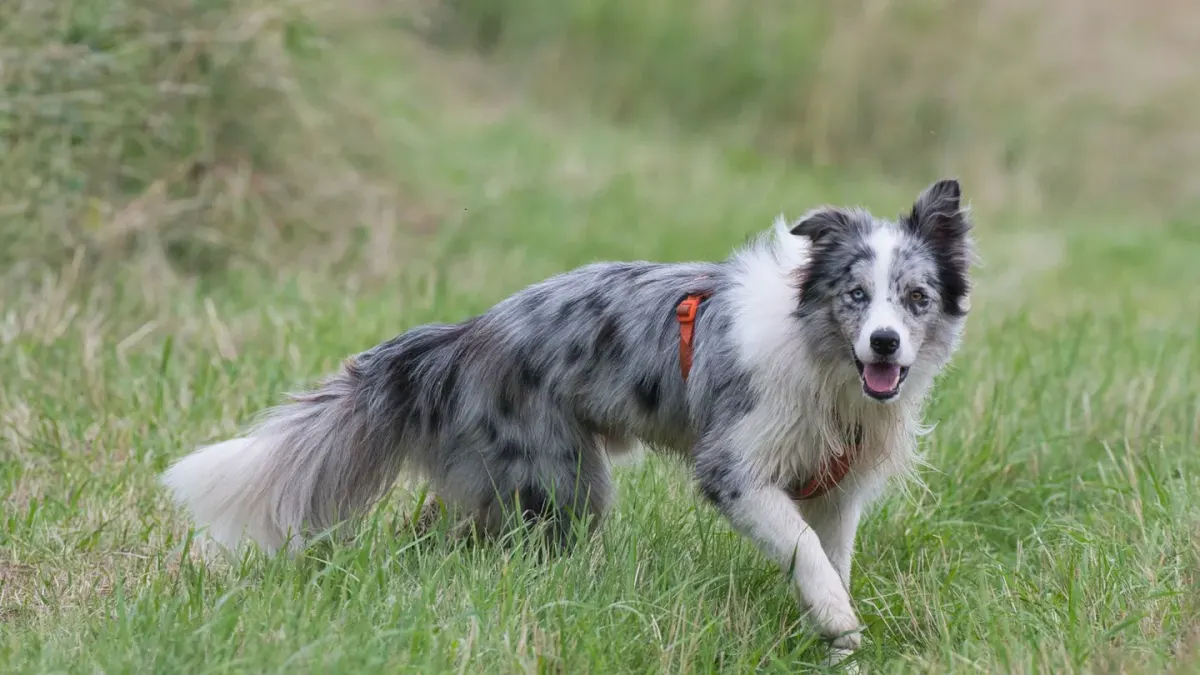
The sidewalk was already warm at 7 a.m., and the 4-year-old, 52-pound mixed-breed dog at the end of the leash was pulling toward his usual running route while his owner hesitated with the leash wrapped twice around her hand. She had skipped yesterday because of the heat advisory, the dog had paced the apartment all evening, and now she was weighing a quick three-mile jog against guilt over another missed day. That tension — need to move versus need to stay cool — is the central decision of a heatwave, and I resolve it by changing the job from conditioning to maintenance.
My position is direct: during sustained heat, food, water, and low-load movement do more for diet, mobility, and recovery than any mileage goal or powder in a jar. A joint supplement may help support normal joint structure during this detraining window, but it cannot replace the lost training effect or cool a dog. The strongest counterargument is that fit, young dogs will lose fitness if you back off for a week, so you should push through early or late. I hear that concern, and for competitive dogs it has weight, yet heat illness escalates faster than deconditioning, which is why I still land on protecting thermoregulation first.
Move Early Before the Heat Loads the Joints
Dawn is your working window. Air temperature, pavement, and the dog’s core temperature all start lower, so a 20- to 30-minute sniff walk, controlled leash walk, or easy grass circuit gives you aerobic maintenance with less pounding than running or fetch.
Keep the dog on grass or shaded trail, keep the pace conversational, and build in two or three shade breaks for water. I also use a brief indoor warm-up from ideas like Warm-Up Exercises Before a Dog Runs or Plays — weight shifts, slow figure-eights, gentle inclines — because warm tissue moves better even when the workout is light. This is also where I think about food therapy first: a balanced, complete diet fed to lean body condition reduces the load every step carries, which matters more than adding anything new.
The failed tradeoff I see every summer involved an 8-year-old, 78-pound Labrador who was still playing midday fetch three weeks into a humid stretch because he acted eager at the first throw. By throw six his tongue was wide and flat, his recall slowed, and his owner noticed tender forepaws from hot tennis-court felt that evening. Enthusiasm masked rising heat and repetitive impact on already stiff shoulders. We replaced that game with 10-minute shaded nose-work sessions and short water retrieves, and within five days his evening restlessness settled without the limber-up stiffness after naps.
That shift reflects what AVMA emphasizes about heat risk, pavement burns, and never leaving dogs in cars — environment controls safety more than fitness does.
Use Midday for Brain Work and Low-Load Strength
Midday is for staying inside. Replace the run with training that tires the brain without loading joints or raising core temperature.
I rotate food puzzles, place training, stair-free balance work on a mat, and two- to three-minute trick sessions with rest between. For dogs that need a job, a hallway search for kibble or a snuffle mat can stand in for half a walk. Owners who default to the dog park often find this helpful context in Dog Park vs Structured Exercise for Your Dog — unstructured sprinting in heat is the highest-risk pattern, while measured work is easier to dose.
Around joint nutrition, I stay ingredient-literate and narrow. Glucosamine and chondroitin are among the most studied joint support ingredients for dogs, as summarized in work indexed by the Journal of Veterinary Medical Science, and that review notes the laboratory observation to “prevent experimentally induced cartilage degradation in vitro.” A separate peer-reviewed report in Frontiers in Veterinary Science describes chondroitin in terms to “supports healthy synovial fluid homeostasis.” Green-lipped mussel is another food-derived option I weigh for its nutrient matrix, and experimental work summarized in Nutrients found that “BMO, GMO, and KO all alleviated paw swelling in rats and reduced serum levels of rheumatoid factor (RF), anti-cyclic citrullinated peptide (anti-CCP) antibody, and pro-inflammatory cytokines such as TNF-α and IL-17.”
Weigh what that can realistically do.
Those findings may help support normal joint comfort and mobility as part of a complete diet, but during a heatwave they do not cool a dog, rebuild fitness, or permit a longer run.
Close the Loop After Sunset With Cool Recovery
Evening is for flushing heat, not chasing fatigue. Wait until pavement feels cool to your palm, then do an easy 15-minute loop, gentle range-of-motion walking over varied grass, or supervised wading to the chest if you have safe access.
Watch the recovery markers that matter: panting should settle within 10 to 15 minutes at rest, the dog should drink willingly then seek a cool floor, and gait should look even the next morning. If panting drags past 30 minutes, cut the next session in half. I also remind owners to avoid the fetch trap detailed in Fetch vs. Structured Walks: Which Exercise Actually Serves Your Dog Better? — repeated sprint-stop turns load shoulders and carpi far more than the same minutes spent walking.
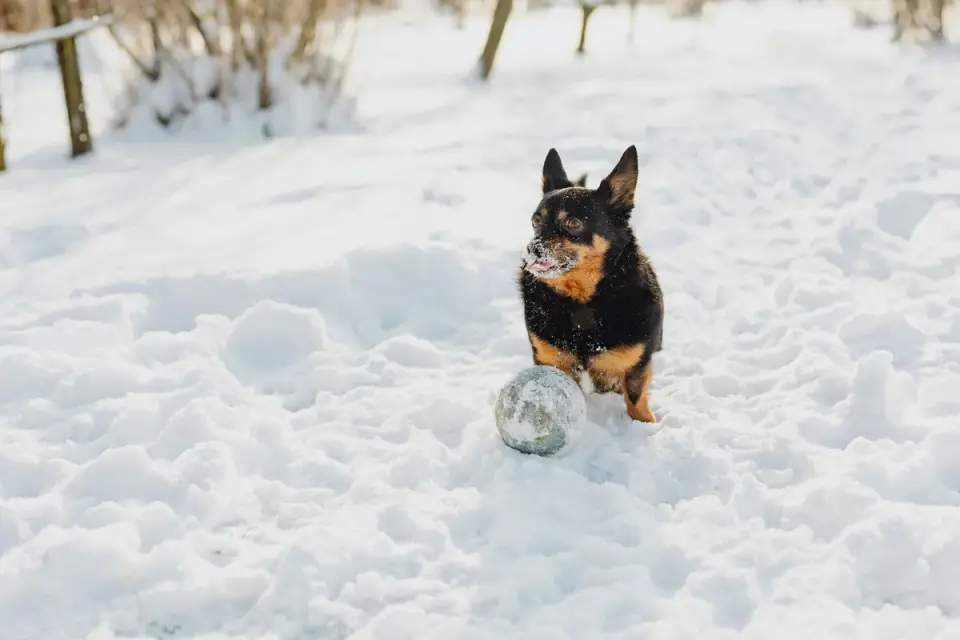
The edge case that changes the plan is the older brachycephalic dog who looks comfortable indoors but falls behind fast outside. One 12-year-old, 24-pound French Bulldog-type patient I followed during a heat event last year could handle indoor puzzle work and short dawn potty loops, yet by day 10 of highs above 92°F even a shaded evening block triggered loud, prolonged panting that took 40 minutes to resolve. For that body type, age, and airway, the right dose was three five-minute sniff outings plus indoor play, extra water stations, and a vet check on weight and breathing — not more exercise to “toughen him up.”
Give the dog something it can do today: walk early on grass, train indoors at noon, stroll late, feed for lean condition, and keep expectations low until the heat breaks.
Frequently asked questions
How long should a low-impact walk be during a heatwave?
For most healthy adult dogs, 15 to 30 minutes early or late in the day on grass or shade works, with water breaks and a 10- to 15-minute panting recovery at rest. Shorten the walk if panting persists, gait looks stiff, or pavement feels hot to your palm.
Is swimming better than walking in extreme heat?
Controlled wading or short, calm swims can unload joints and aid cooling, but keep sessions brief, supervise closely, rinse off afterward, and skip it for dogs with airway disease, poor recall, or unsafe water access.
Should I keep giving a joint supplement when exercise drops?
Consistency matters more than timing, so continue a vet-approved diet and any supplement your veterinarian already recommended. Supplements may help support normal joint structure, but they do not replace movement, weight control, or heat safety.
Sources
- Warm Weather Pet Safety — AVMA
- Chondroitin and synovial homeostasis study — Frontiers in Veterinary Science
- Glucosamine cartilage in vitro review — Journal of Veterinary Medical Science
- Marine oils and joint markers in rats — Nutrients