What to Do if a Dog Drinks Far More Than Usual After Exercise
A sports-medicine vet explains normal post-exercise thirst in dogs, how to offer water safely, and red flags for heat illness or disease.
After a hard run most dogs drink eagerly, but the amount, the speed, and how fast they settle tells you whether it was just thirst or something worth calling your vet about.
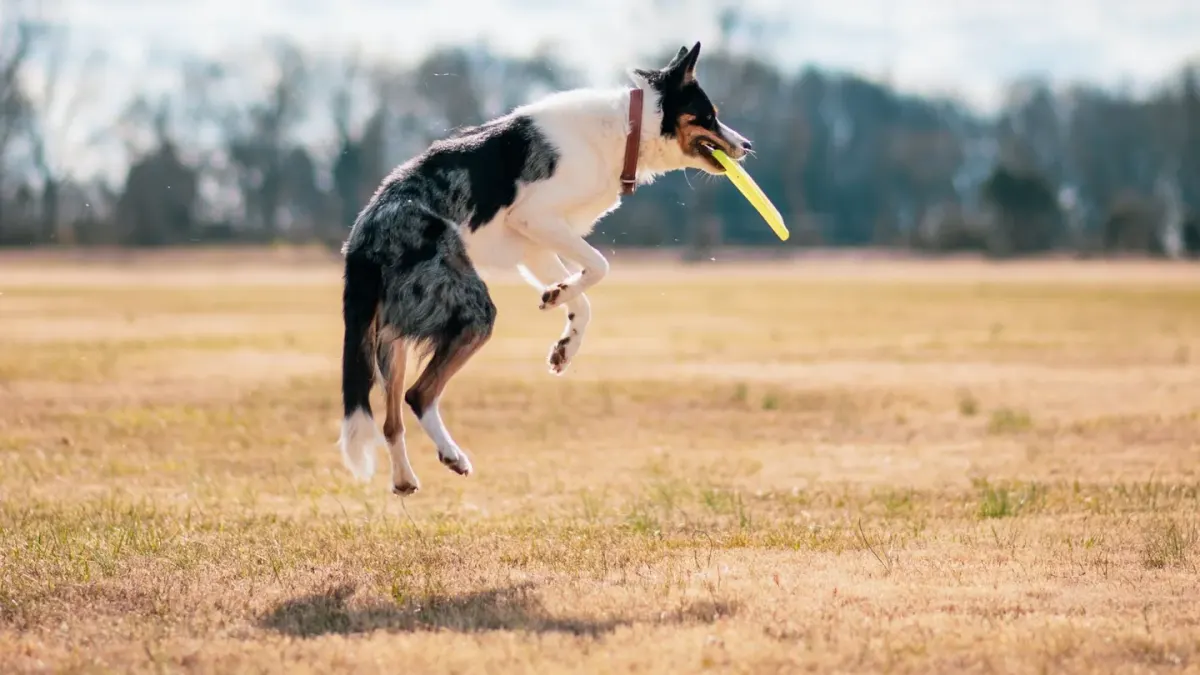
You expect a thirsty dog after fetch on a warm afternoon, and most of the time that big drink is exactly what healthy recovery looks like.
I saw that pattern in a four-year-old, 52-pound mixed-breed who came in because his owner was rattled after a Saturday at the park. They had played hard frisbee for 40 minutes in 78-degree heat, then he drained two full bowls at home in under ten minutes and paced for water. By day 3 of logging intake his rest-day drinking was completely normal, his gums were moist, his energy was back, and the spike tracked only to long, hot sessions. That timeline made the decision concrete: manage the exercise and the drinking strategy, not chase disease yet.
That is the lens I use for this question. As a nutritionist and sports-medicine clinician, I weigh what diet, fitness, and recovery support can realistically do, and water is part of that recovery nutrition. A supplement may help support joint comfort around work, but it will not fix overheating, overexertion, or a medical cause of extreme thirst.
How much thirst is normal after hard work?
Healthy dogs drink roughly 0.5 to 1 ounce per pound per day at rest, and exercise, heat, excitement, and panting push that up for a few hours. Short-nosed breeds, black-coated dogs, unfit dogs, and young, drivey retrievers and shepherds often pant harder and look dramatically thirsty even after modest work.
What matters is the arc. Normal post-exercise drinking peaks within 30 to 60 minutes, then settles. The dog pants, drinks, pants less, rests, and is itself again. Guidance on Excessive Thirst or Drinking in Dogs from VCA Hospitals notes that when high intake persists beyond that recovery window, or shows up on rest days, we start thinking about medical causes rather than thirst.
Offer room-temperature water in small, repeated amounts rather than one unlimited bowl. Let him drink for 20 to 30 seconds, walk him slowly, offer again in five to ten minutes. That contrast matters.
Gulping a huge volume at once raises risk for vomiting, bloat discomfort in deep-chested breeds, and in rare cases water intoxication if a dog is also swallowing water during swimming or hose play.
When a big drink is telling you something else
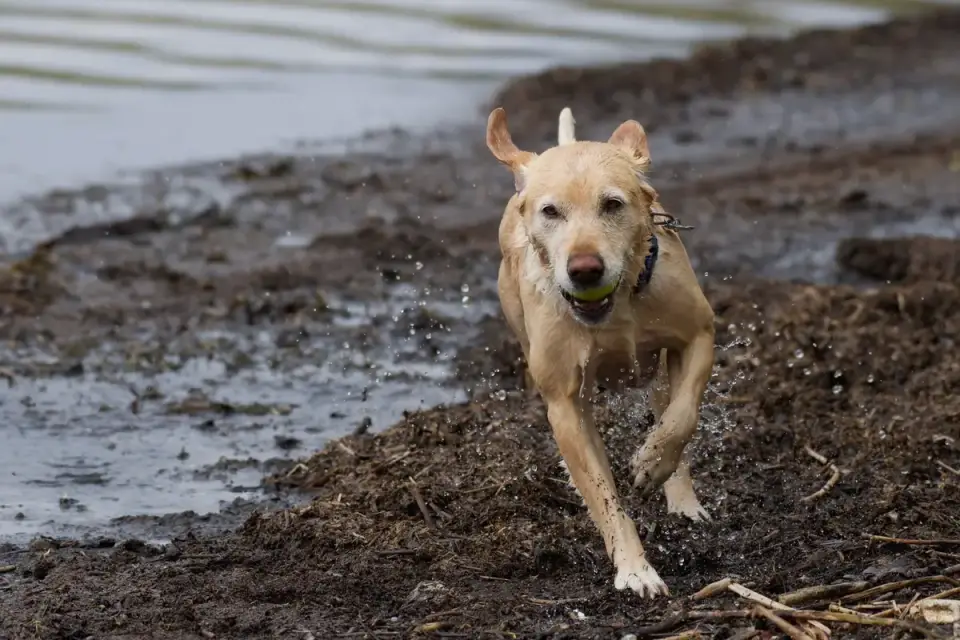
A six-year-old, 68-pound Labrador taught me the tradeoff owners get wrong. For three weeks in his owner tried to solve post-run thirst by withholding water for an hour, worried he would make himself sick. The dog still panted hard for 90 minutes, drooled thick saliva, and by week two he was seeking puddles on walks. Withholding had not reduced the drive to drink, it had only delayed rehydration and masked that the work was too much for a warm, humid evening.
If you see any of these alongside heavy drinking, stop exercising and cool calmly:
Heavy, unrelenting panting or drooling that does not ease with rest, brick-red or pale gums, glazed eyes, stumbling, vomiting or diarrhea, a rectal temperature above 104 degrees, or collapse. Those fit heat illness more than thirst, and the Heatstroke in Dogs overview from VCA Animal Hospitals explains why rapid cooling and emergency care matter.
A different pattern points to disease. Drinking far more than usual after every outing, plus drinking more on rest days, urinating more or having accidents, weight loss despite good appetite, cloudy eyes or recurrent infections, or a pot-bellied look in an older dog, raises concern for diabetes, kidney disease, Cushing’s disease, pyometra in an unspayed female, or medication effects from steroids or diuretics. The Polydipsia in Dogs and Cats client resource from Merck Veterinary Manual frames persistent polydipsia that way, as a sign to test rather than to wait out.
What to do right after the walk
You can do a lot today without any product. Cut the next session by one-third, move it to morning or evening, build in shade breaks every 10 to 15 minutes, and bring water with you so he does not arrive home parched. A warm-up matters more than owners expect, and I often point to Warm-Up Exercises Before a Dog Runs or Plays for a simple pre-run routine that lowers that frantic post-game panting.
At home, offer those small drinks, hose his belly and paws with cool — not ice-cold — water if he feels hot, and let him rest in a cool room. Track for three to five days: exercise minutes, temperature, approximate water refills, urine frequency, and energy. That log answers your vet’s first three questions.
Call your vet promptly if heavy drinking lasts more than 24 hours after exercise stops, if rest-day intake stays high, if he cannot settle or vomits water back up, or if you see any heat-illness signs above.
Where food, fitness, and joint support fit
Here is where I land, and where I part with the supplement-first view. The strongest lever for post-exercise thirst is conditioning and heat management, not a chew. A fit dog on a balanced diet, working in short intervals with water breaks, recovers faster and drinks less frantically. That is also the theme in Common Dog Exercise Mistakes Owners Make (And What to Do Instead) and in Fetch vs. Structured Walks: Which Exercise Actually Serves Your Dog Better? — steady aerobic work builds tolerance better than repeated all-out sprints.
The counterargument is fair: if joints ache, dogs move inefficiently, overheat faster, and pant more, so should we not lead with joint support? I respect that physiology, but the evidence for joint ingredients is supportive, not transformative. Glucosamine and chondroitin are among the most studied joint support ingredients for dogs, and laboratory work shows glucosamine can “prevent experimentally induced cartilage degradation in vitro” as reported in the In Vitro Chondroprotection Study published in Journal of Veterinary Medical Science. Chondroitin research “supports healthy synovial fluid homeostasis” in the Synovial Homeostasis Trial published in Frontiers in Veterinary Science. Green-lipped mussel work is earlier — one nutrients study found “BMO, GMO, and KO all alleviated paw swelling in rats and reduced serum levels of rheumatoid factor (RF), anti-cyclic citrullinated peptide (anti-CCP) antibody, and pro-inflammatory cytokines such as TNF-α and IL-17” in the Marine Oil Anti-Inflammatory Study published in Nutrients — interesting for joint comfort, but rat inflammation is not a thirsty Labrador.
I met the edge case in a nine-year-old, 44-pound border collie who drank heavily only after agility weekends. By day 10 of tracking, weekday intake was normal, but weekend sessions left her stiff the next morning and slower to settle and stop panting. The owner wanted an electrolyte powder. We instead shortened sequences, added rest days, adjusted meals around work, and added a joint-support diet strategy that may help support mobility as part of whole-patient care. Her weekend drinking dropped by about a third because she was working more efficiently, not because a supplement quenched thirst.
Feed a complete, balanced diet appropriate for activity level, keep treats lean so extra pounds do not add heat load, and use joint nutrition as background support for an active dog, not as treatment for excessive drinking. If heavy post-exercise thirst keeps happening despite smarter work, let your vet check bloodwork and urinalysis. You are not overreacting — you are catching the difference between a tired, thirsty athlete and a dog asking for help.
Sources
- Synovial Homeostasis Trial — Frontiers in Veterinary Science
- In Vitro Chondroprotection Study — Journal of Veterinary Medical Science
- Marine Oil Anti-Inflammatory Study — Nutrients