Best Exercise for Flat-Faced Breeds That Overheat Easily
Safe exercise plan for pugs, bulldogs, and other brachycephalic dogs — timing, pacing, cooling, and warning signs.
Safe exercise for pugs and bulldogs means short, cool, sniffy outings that quit before heavy panting starts.
On this page
What should a good walk look like for a dog that snorts after one block?
For pugs, English and French bulldogs, Boston terriers, shih tzus, and other flat-faced breeds, the answer is shorter, slower, and cooler than most owners expect. Their narrowed nostrils, long soft palate, and compact trachea limit airflow, so they cannot dump heat by panting the way longer-muzzled dogs can. I prioritize nasal breathing, loose-leash pace, and early stop rules over distance or calories burned.
Last spring I watched a four-year-old, 24-pound French bulldog named for this story only in my notes try to keep up on a 78-degree evening loop with two Labradors. By minute nine his panting turned raspy, his tongue widened and darkened at the edges, and he started planting his feet in the shade. His owner wanted to finish the mile. We cut across the grass, sat in the shade for six minutes with water, then walked home slowly over three weeks in follow-up visits we rebuilt him to two ten-minute sniff walks per day, and the raspy episodes stopped because the decision became breathing first, distance second.
That breathing-first rule is the core of my recommendation. Weigh what a supplement can realistically do for diet, mobility, and recovery alongside that rule, and exercise choice still does more for a flat-faced dog than any powder or chew. Food therapy keeps weight lean so the chest wall moves freely, daily low-load movement supports joint nutrition and circulation, and supplement science may help support normal joint structure — but no ingredient widens an airway.
How do you know when heat is already too much?
Check the forecast, the pavement, and the dog before you leash up. I cancel or move indoors when air temperature is above 80°F, humidity is high, or pavement feels hot to your palm after seven seconds. Walk early morning or after sunset, choose grass and shade, bring water and a plan to quit early.
Do this today. Fit a well-vented harness that sits clear of the throat. Walk for sniffing, not cardio. Keep a pace where your dog can keep its mouth mostly closed for stretches. Stop for a break the moment panting turns loud, high-pitched, or nonstop. End the outing while your dog could still happily go a little farther.
The strongest counterargument I hear is that these dogs need hard exercise to lose weight, so owners should push through panting. I reject that for brachycephalic dogs. Extra body fat does worsen breathing and heat load, and weight loss matters, yet intense exercise in heat raises airway swelling and collapse risk. Lean meals, measured portions, and frequent short bouts in cool air trim weight more safely than one long hot walk.
What counts as safe movement on a normal day?
Think in intervals, not miles. Two to three outings of 10 to 15 minutes of loose-leash walking with sniff breaks beats a single 45-minute march. Let the dog set the sniff pace. Pause in shade every five minutes when it is warm. Carry water and offer small drinks; do not pour large volumes down a panting dog.
Indoors, use food puzzles, scatter feeding on a mat, slow stair-free hallway searches, and three-minute training games for sit, hand touch, and settle on a bed. One short paragraph to hold onto: Quit while breathing is still easy.
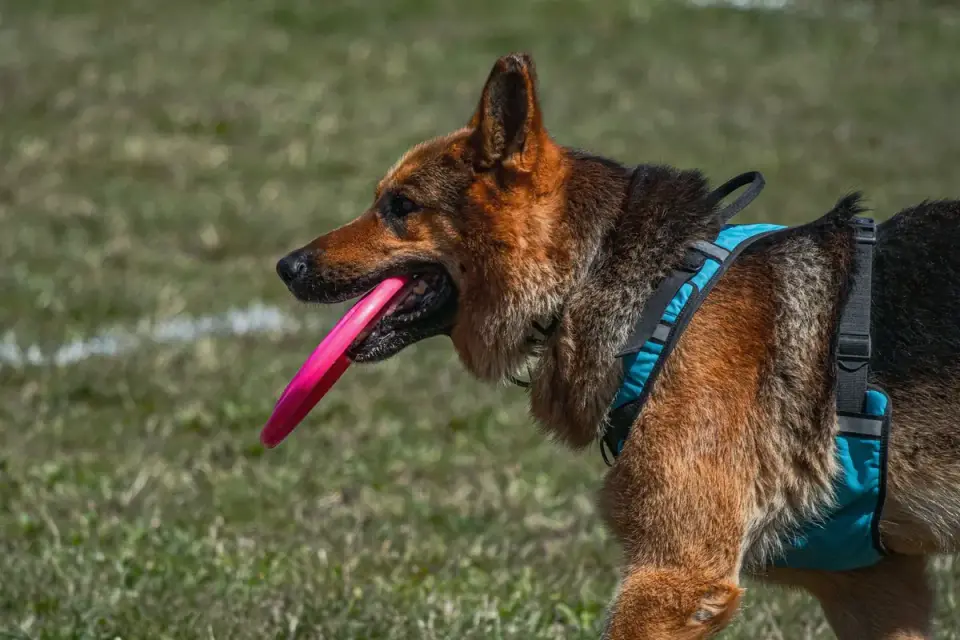
A client with a six-year-old, 52-pound English bulldog learned this tradeoff the hard way. She swapped hot afternoon fetch for evening work after we talked, but kept the fetch structure — twenty straight throws across dry grass by day 10 of the new routine. He came home drooling thick saliva, vomited water, and needed forty minutes in air conditioning to settle. Over the next month we replaced fetch with two twelve-minute structured walks plus nose games indoors, and his recovery time after outings dropped from nearly an hour to under ten minutes. Fetch loads the exact system that is already limited: sprint, mouth-open panting, arousal, and no pause to cool.
That is why I steer owners away from dog-park wrestling and prolonged fetch for these breeds, a point I explain further in Fetch vs. Structured Walks: Which Exercise Actually Serves Your Dog Better? and Off-Leash Play vs. On-Leash Walks: Which One Actually Exercises Your Dog?. Structured walking lets you control pace, heat exposure, and rest. If you use parks, go at off-hours, keep sessions under fifteen minutes, and leave before excitement peaks.
Where do joints, weight, and cooling fit?
Flat-faced breeds often carry extra weight and joint stress, and heavy panting tightens the whole front end. Keep ribs easily felt under light cover, use a scale monthly, and adjust food rather than adding a hot extra mile. Warm up with two minutes of slow walking before any play, a habit detailed in Warm-Up Exercises Before a Dog Runs or Plays. Cool down the same way.
For cooling, use shade, breeze, and room-temperature water on paws and belly. A damp towel in shade can help. Avoid ice baths, ice water forced to drink, and tight muzzles or collars that press the neck. A cooling vest in shade is fine for some dogs; in full sun and humidity it can trap heat, so test it on a short walk first.
On joint nutrition, ground an integrative claim in the nutritional evidence. Glucosamine and chondroitin are among the most studied joint support ingredients for dogs, and recent work reports that chondroitin “supports healthy synovial fluid homeostasis” according to Frontiers in Veterinary Science. Separate laboratory work found glucosamine “prevent experimentally induced cartilage degradation in vitro” according to the Journal of Veterinary Medical Science. That may help support normal mobility as part of weight control and gentle movement, and where the evidence is thin is in proving those laboratory or fluid-balance findings translate to cooler, longer walks for a bulldog. Clinical signs of airway obstruction and heat risk are well described for brachycephalic breeds by VCA Hospitals, which is why I keep airway management ahead of any joint product in the plan.
What should you do if panting tips toward emergency?
Learn this edge case, because it changes the stop rule for seniors and puppies. A nine-year-old, 18-pound pug I followed for two summers could walk comfortably at 68°F but started stridor — a high whistling on inhale — at 74°F after only six minutes, even though he still wagged and pulled forward. His owner read eagerness as fitness. We set a new rule tied to sound, not enthusiasm: any whistle, gag, pale or brick-red gums, thick ropey saliva, wobble, or panting that does not ease within five minutes of rest and cooling means stop, cool calmly, and call your veterinarian promptly. By week three on the sound-based rule he had zero emergency cool-downs, because we quit at the first whistle instead of the first stumble.
Avoid common heat traps I see every July, many outlined in Common Dog Exercise Mistakes Owners Make (And What to Do Instead). Skip midday outings, car waits, asphalt runs, tight collars, and head-out-the-window panting as “exercise.” Keep outings boring in the best way: shade, grass, sniff, sip, home.
My verdict lands here. For flat-faced breeds that overheat, the best exercise is frequent, brief, nose-led walking in cool air plus indoor enrichment, with weight control doing the heavy lifting for stamina. Hard running and long hot outings trade a little fitness for real airway risk, and no supplement reverses that math.
Frequently asked questions
How long should pugs and bulldogs walk in summer?
Most do best with 10 to 15 minutes at a sniff pace in early morning or evening, with shade breaks every few minutes. End while breathing is still easy and skip the walk when it is hot, humid, or panting turns loud and continuous.
Is panting normal for flat-faced dogs during exercise?
Light panting that resolves quickly with rest is common, but loud, raspy, whistling, or nonstop panting, thick saliva, or slow recovery means stop, cool calmly in shade with small sips of water, and contact your veterinarian if breathing does not settle within minutes.
Sources
- Synovial fluid homeostasis study — Frontiers in Veterinary Science
- Glucosamine cartilage study — Journal of Veterinary Medical Science
- Brachycephalic Airway Syndrome in Dogs — VCA Hospitals